

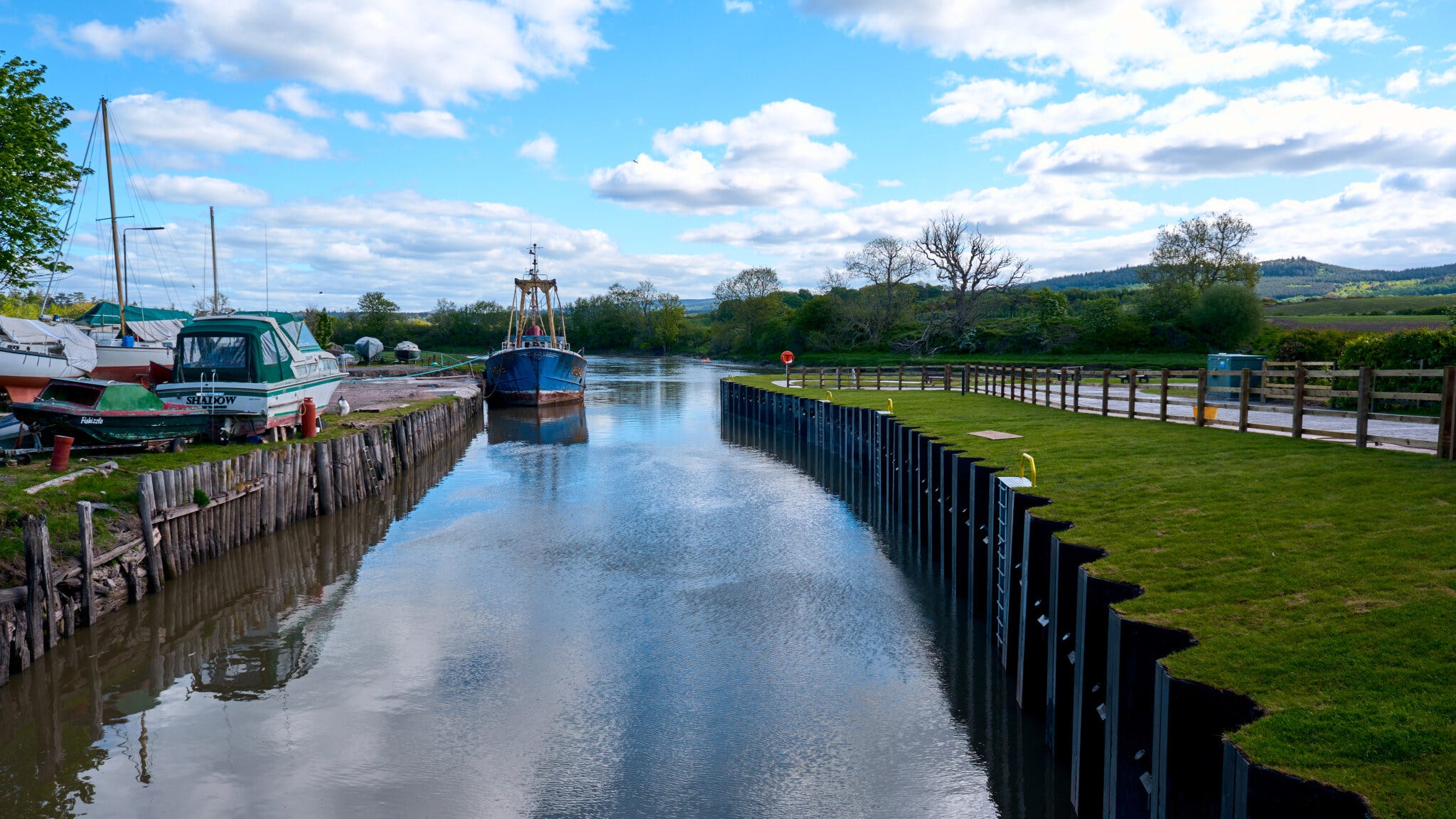
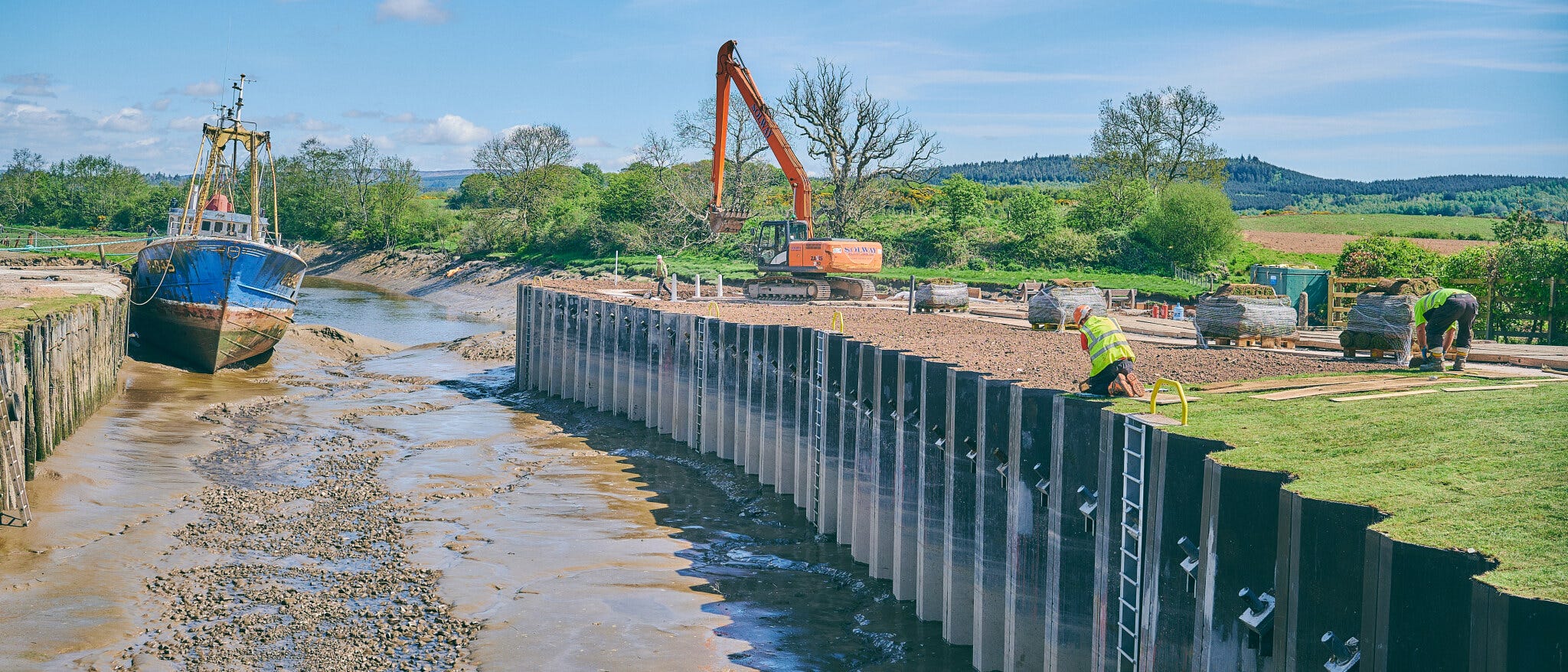
I think you will agree that the new harbour wall on the right-hand side is very well constructed, and visually pleasing. It contrasts sharply with the ramshackle and dilapidated wall on the left, which possesses a certain charm of dereliction, but is unsafe and largely unusable.
For those who have followed my Pirates of Palnackie series over recent years, this progress will come as welcome news — and it is. Millions of pounds have been spent by Scottish Water on the new infrastructure. The retaining wall ties are tested to 30 tons each, so the wall is industrial-grade, and their contractors appear to have done a quality job.
There is just one, tiny, drawback.
The new harbour does not appear to have been designed for boats.
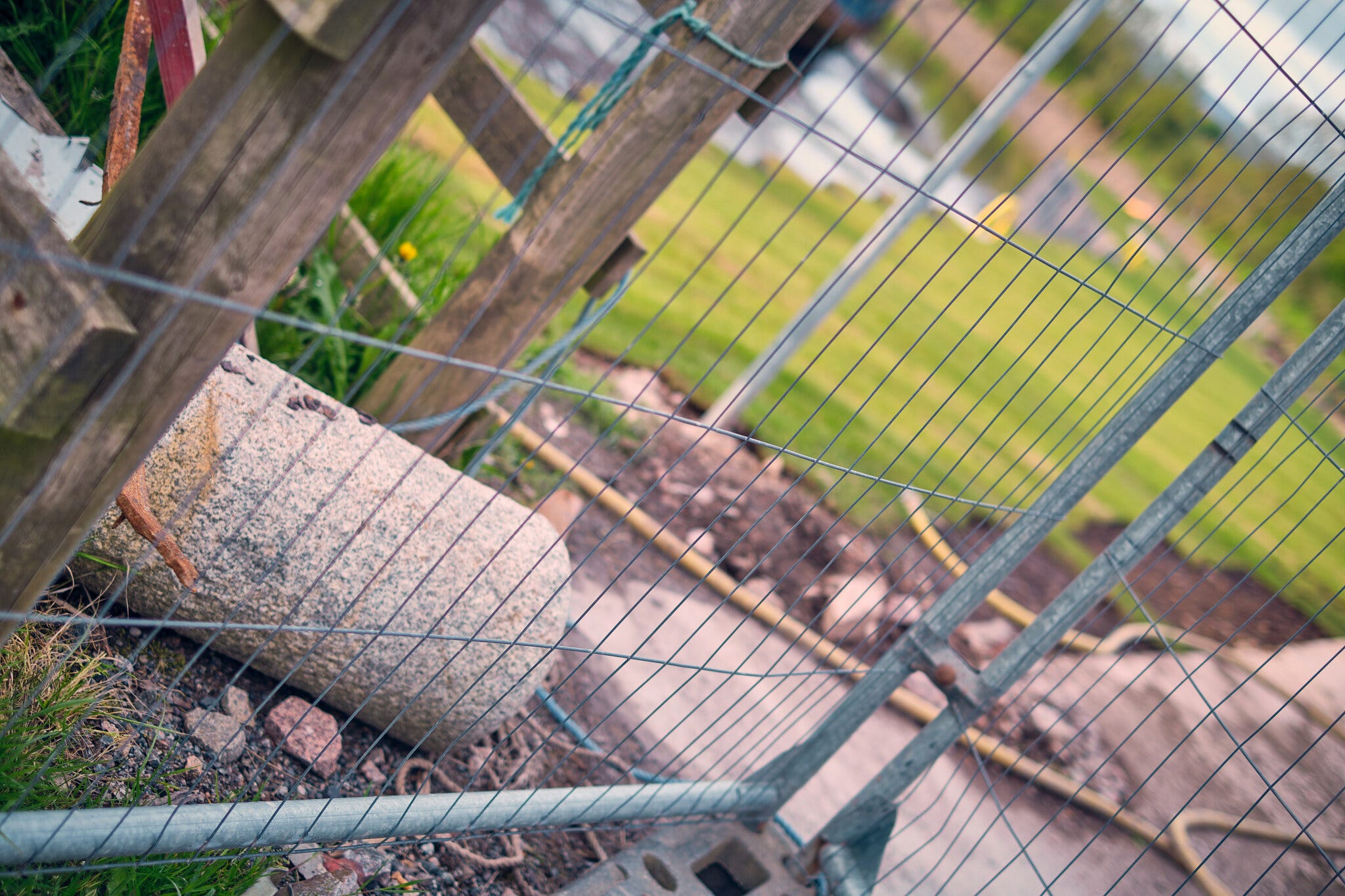
There are the mandatory safety ladders, should anyone fall into the muddy inlet. The old vehicle access has been restored — albeit behind a fence. The surface above is now grass rather than hard standing. Even the turning post used by vessels manoeuvring into the harbour has been removed.
And, most importantly, the traditional granite mooring posts made from local stone have disappeared. One is left abandoned; the others are gone, who knows where.
During and after the reconstruction, boats were paid to stay out of the harbour. Scrap and wreck vessels were manoeuvred onto the new concrete platform for cranes and operating equipment, and consultation with existing users was limited.
What was once a working port — one that could still have supported local timber movements by sea, fishing activity, and heritage vessels — is increasingly becoming something else entirely.
Is Palnackie a living working port with public maritime rights,
or a managed scenic village waterfront under informal social control?
Who gets to decide, and on what authority?
For background, a brief recap of the story so far:
Palnackie is a small historic port on the River Urr whose harbour and associated public rights were vested in the Urr Navigation Trust (UNT) by the Urr Navigation Order 1901 — a parliamentary statute intended to serve not only local residents but the wider community of mariners, traders, and future generations.
After decades of inactivity and administrative decay, a group of active harbour users claiming due standing reconstituted the UNT and asserted themselves as the lawful harbour authority.
A bitter dispute then emerged between the maritime and land-based communities over who legitimately governs the harbour, its land, and the rights attached to it.
Central to the conflict was the contested transfer of northern harbour-side land (on the left in the header image) for £1 to Buittle Quest, a local charity whose relationship to the UNT port beneficiaries remains heavily disputed.
Scottish Water meanwhile undertook a reconstruction of the collapsing south harbour wall after earlier infrastructure works contributed to its failure. Having rebuilt the wall, they have since ceased responding to direct communications from harbour users.
The harbour users argued that public access, navigation rights, and working port functions were being unlawfully restricted during the redevelopment process.
Matters escalated into High Court proceedings in London over jurisdiction, trusteeship, accountability, and the legal status of the UNT.
The court ultimately ruled that the substantive issues belonged in Scotland, while leaving the underlying governance and accountability disputes unresolved.
Over time the conflict has increasingly become one between those who see Palnackie as a living working port, and those who regard it primarily as a quiet residential and scenic village harbour.
What began as a local argument over moorings, land, and harbour walls has evolved into a wider dispute about legitimacy, public assets, access rights, and who truly governs shared infrastructure in modern Britain.
One of the strangest aspects of the London High Court proceedings was not the outcome itself, but what the case revealed about how modern institutions now conceptualise public infrastructure.
To the claimants, the Urr Navigation Trust was part of a wider maritime system: a trust port whose beneficiaries were not merely the residents of one small Scottish village, but the broader international community of harbour users, traders, navigators, and future generations connected to the River Urr.
To the court, however, the matter increasingly appeared as a local Scottish dispute concerning local land, local trustees, and local administration.
Yet ports are not fundamentally local institutions.
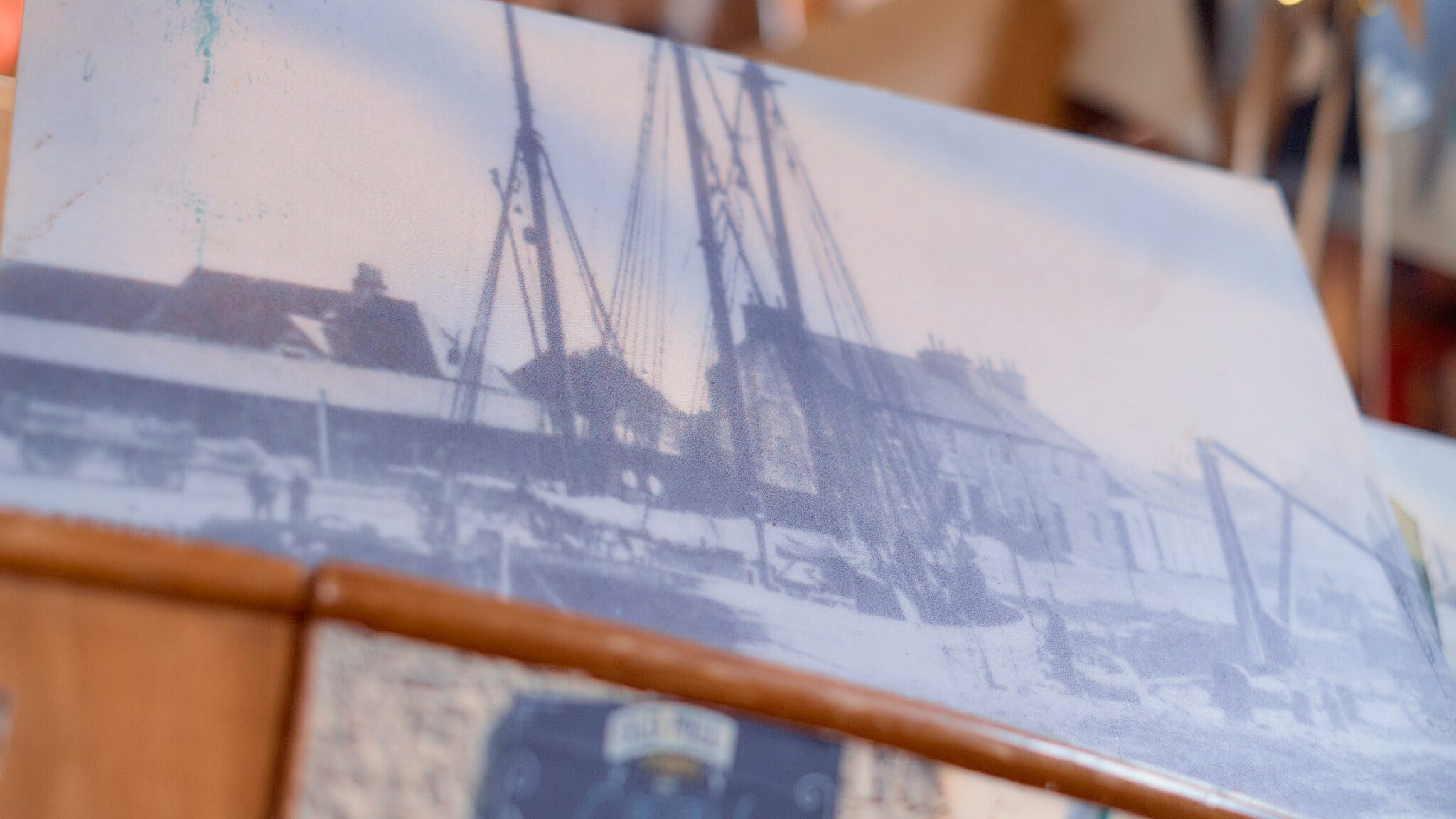
Their entire purpose is connection — hence the Urr Navigation Trust.
Historically, Palnackie existed not simply for the benefit of nearby residents, but as part of a wider network of movement, trade, and exchange extending well beyond the visible horizon. A navigation trust serves people who are often absent: mariners, merchants, travellers, warehouse users, and future generations who may never attend a village meeting or sit on a local committee.
The beneficiaries of a port are inherently diffuse.
The irony is that the rebuilt harbour now seems to embody the same conceptual shift. The physical structure remains. The wall is stronger, cleaner, safer, and visually improved. But the maritime function increasingly recedes from view.
Commercial traffic is increasingly treated as an inconvenience.
And so a working port slowly risks becoming something else entirely: not a place of navigation, but a carefully managed scenic waterfront whose true beneficiaries are no longer those who use the river, but those who merely overlook it.

In the interests of balance, it has to be said that there has been chaos and confusion on both sides of this dispute.
The harbour users were sometimes confrontational. Boats and equipment could at times appear unsightly and poorly managed. There were genuine safety concerns. Communication repeatedly broke down. Some behaviour became aggressive or unacceptable. Even within the UNT side there were internal tensions, suspensions, disciplinary incidents, and obvious fractures as the pressure of years of conflict took its toll.
Yet even acknowledging all of that does not answer the deeper question at the heart of the dispute: whether a historic public port is quietly being transformed into a managed scenic amenity with diminished maritime function.
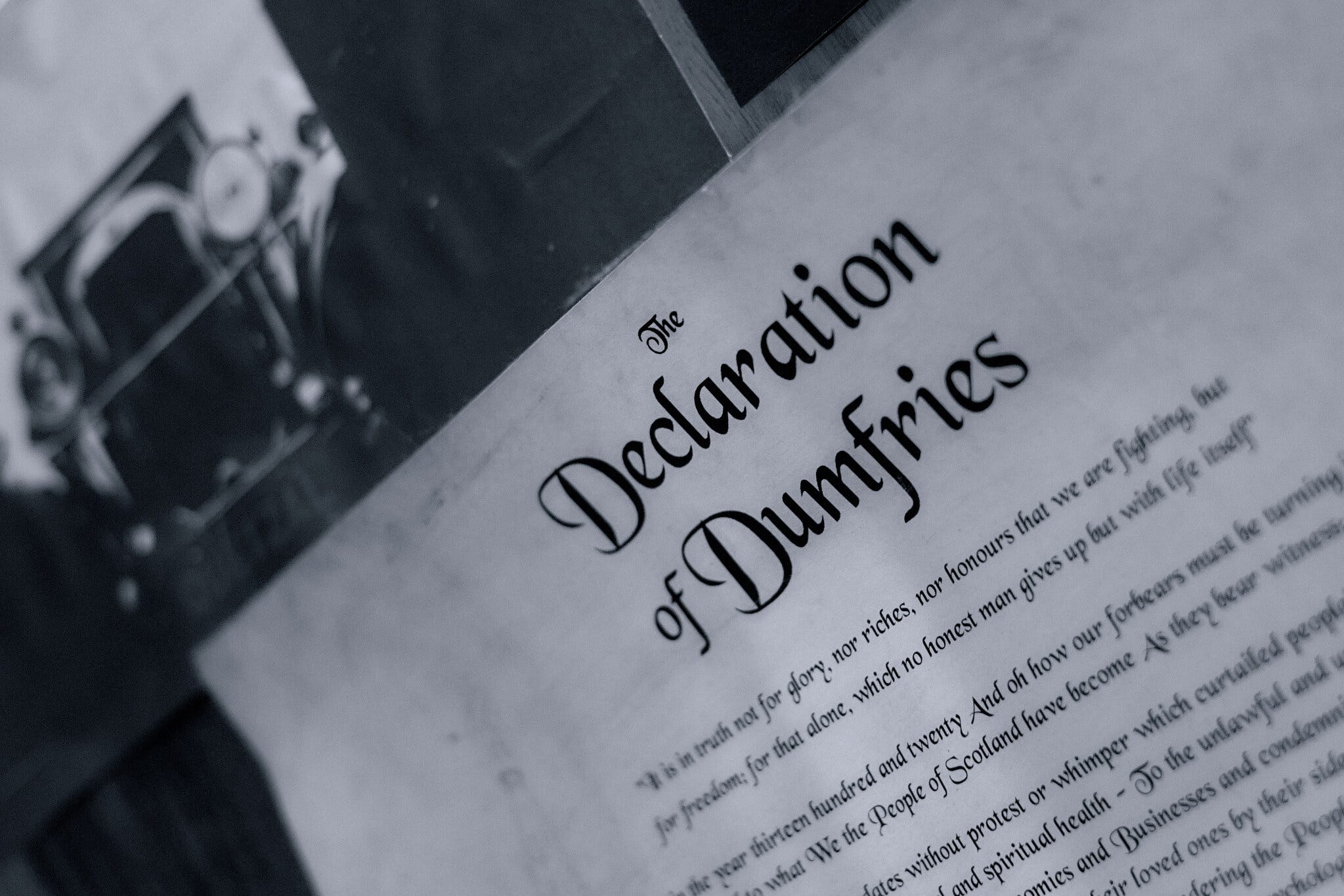
Disorder, clutter, difficult personalities, and operational tensions are not unusual in working harbours.
Fishing ports, timber quays, repair yards, and tidal wharves are rarely tidy places. The issue is not whether Palnackie should have remained neglected or unmanaged, but whether the redevelopment process has gradually removed the very infrastructure and operational assumptions that once made it a functioning port.
Nor is it accurate to portray the UNT vision as simply preserving dereliction. Documents produced during the dispute show an articulated — if contentious and imperfect — plan centred on restoring harbour operations:
appointing a resident harbour master,
regulating moorings,
introducing modest usage fees,
supporting heritage and sail-cargo traffic, and
re-establishing the River Urr as a living maritime environment rather than a static backdrop.
Even amid the dysfunction, arguments, and practical difficulties, many of those involved were still actively trying to sustain some form of living maritime use: negotiating moorings, discussing harbour management, moving vessels, organising access, and imagining future commercial or heritage traffic on the river once again.
In other words, both sides claimed to be protecting the harbour — but they increasingly meant fundamentally different things by the word “harbour”.

One of the most unsettling aspects of the Palnackie saga is how difficult it has become to identify who is actually responsible for the harbour’s long-term future. Influence is everywhere, yet accountability seems permanently elsewhere.
Scottish Water rebuilt the wall bordering the land it owns, but does not see itself as the harbour authority.
Buittle Quest exerts growing influence over one side of the harbour, yet frames itself primarily as a community charity, unconcerned with marine rights.
The council has interests in access, safety, and amenity, but no direct operational responsibility for navigation.
The current UNT claims statutory authority, but has itself suffered internal conflict, organisational instability, and contested legitimacy.
Meanwhile the police, courts, contractors, and regulators appear mostly concerned with discrete incidents rather than the strategic future of the port itself.
Transport Scotland, the agency responsible for infrastructure, doesn’t want to get involved.

The result is a peculiar form of institutional fog. Decisions are made. Infrastructure changes. Access patterns shift. Maritime activity declines. Yet no single body openly states:
“We are consciously transforming Palnackie from a working port into a scenic waterfront with limited operational navigation.”
Instead, the cumulative effect emerges indirectly through dozens of smaller actions, omissions, restrictions, redesigns, and administrative choices, each of which can individually be justified in isolation.
Responsibility becomes diffuse, fragmented, and difficult to challenge.
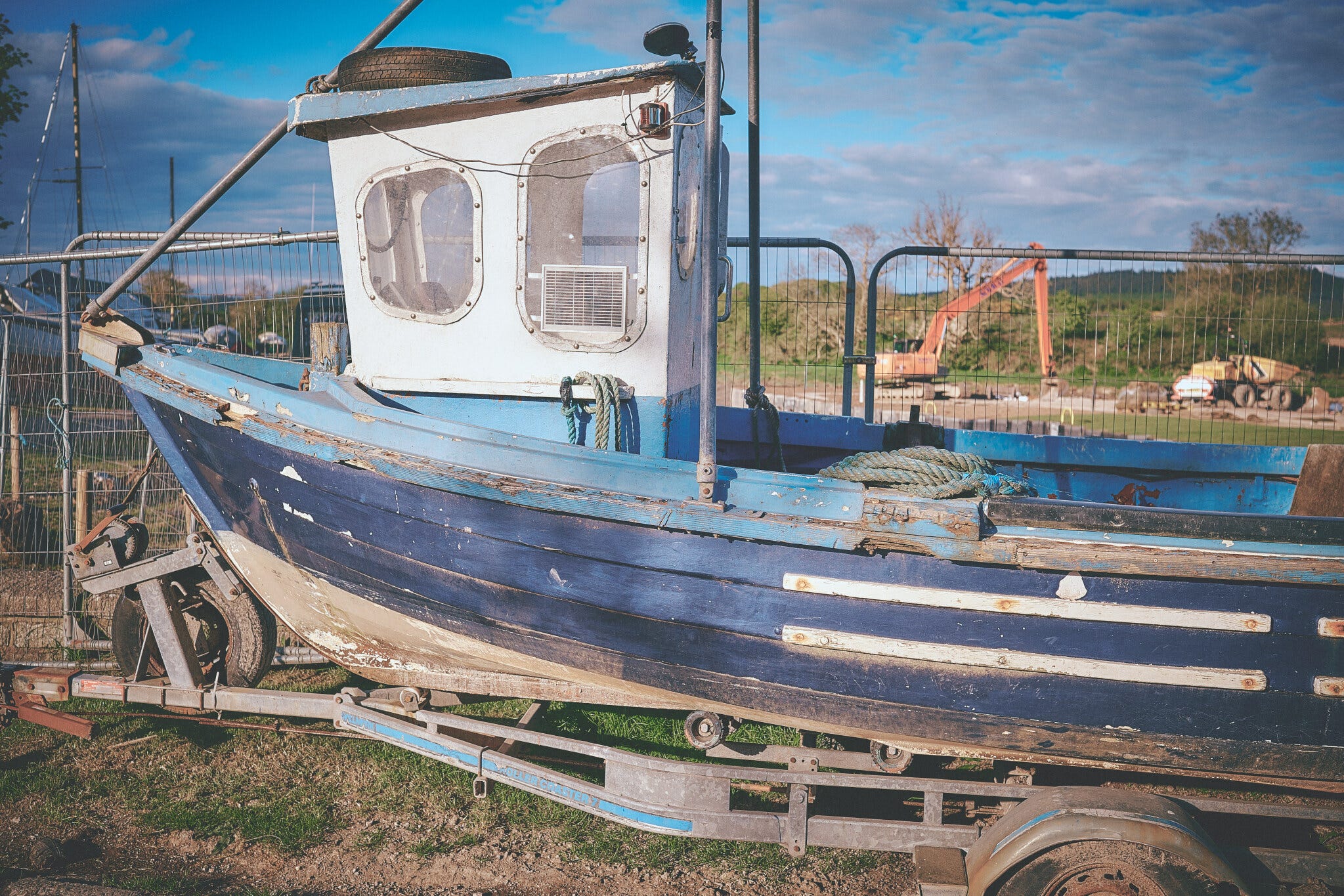
Historically, trust ports existed precisely to solve this problem.
They created a legally accountable steward whose duty was not merely to nearby residents or current political fashions, but to navigation itself and to future generations of beneficiaries.
That older constitutional model now seems increasingly alien to modern Britain, where almost every public asset sits inside overlapping layers of contractors, charities, agencies, councils, regulators, insurers, consultants, and informal influence networks.
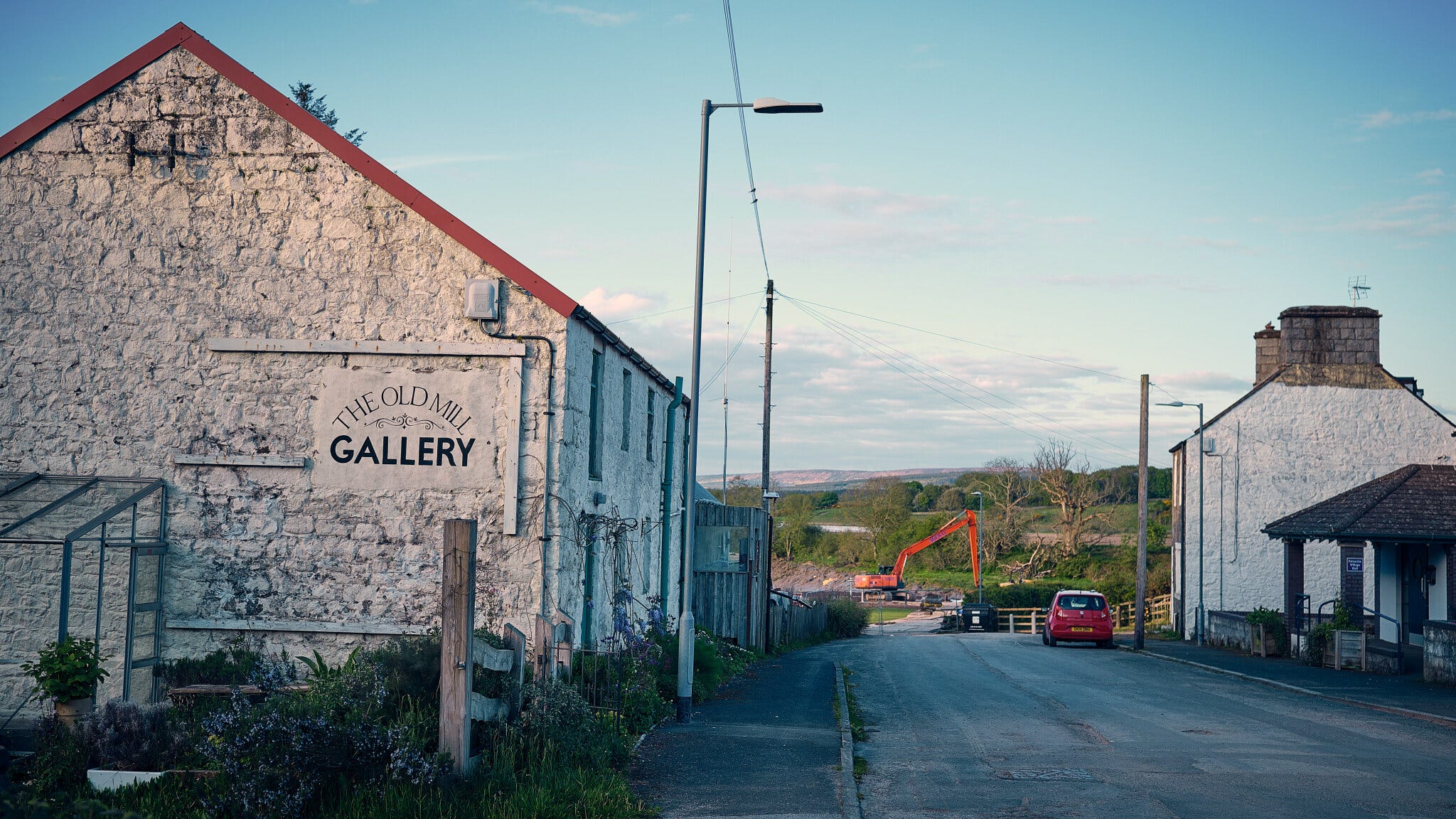
Palnackie may therefore matter far beyond its physical size, because it exposes a larger national question:
When common infrastructure quietly changes purpose over time, who — if anyone — is genuinely accountable for what it ultimately becomes?
Another uncomfortable aspect of the dispute is that much of the conflict appears to arise not simply from malice or greed, but from the gradual disappearance of practical maritime knowledge itself.
Historically, small ports were governed by people who understood tides, moorings, navigation channels, loading access, river traffic, harbour maintenance, and the awkward realities of working boats. Harbours were not conceived primarily as visual amenities, but as pieces of functioning transport infrastructure.
Modern institutional culture often approaches such places very differently.

The dominant mindset is increasingly managerial, environmental, legalistic, aesthetic, or liability-driven rather than operationally maritime. Safety barriers, landscaping, access controls, signage, fencing, and visual improvement are all perfectly rational within that framework.
Yet viewed through the eyes of working harbour users, something essential can quietly disappear in the process: the practical ability to use the harbour as a harbour.
The removal of the old granite mooring posts illustrates this perfectly. To many observers they may have looked like obsolete relics, untidy obstacles, or weathered stones of mainly historical interest. To harbour users they were part of the physical operating grammar of the port itself: infrastructure designed for tying up vessels, handling loads, and enabling navigation.
Their disappearance therefore carries symbolic weight beyond the stones themselves.
It suggests a shift in assumptions about what Palnackie is now for. A place once organised around boats increasingly appears organised around the experience of looking at where boats used to belong.

There is an important distinction between a port and a harbour, even though the two words are often used interchangeably.
A harbour is fundamentally a place of shelter: somewhere boats can anchor or moor in relative safety.
A port, by contrast, is a place of exchange and movement. Ports load and unload cargo. They connect communities. They facilitate trade, transport, repair, fishing, travel, and navigation. They are inherently active places.
Palnackie harbour literally lies at the end of Port Road. Make of that what you will.
What makes the Palnackie story so revealing is that it appears to capture a gradual transition from one state into another.
First the port became less commercially active, as coastal trade, fishing, and local maritime industry declined across Britain.
Then the harbour itself became increasingly contested and difficult to operate, with disputes over land, governance, liability, moorings, access, and maintenance.
Now, following the reconstruction works, there is a growing sense that even the harbour function is receding, leaving behind something closer to a relic waterfront landscape than a genuinely operational maritime environment.
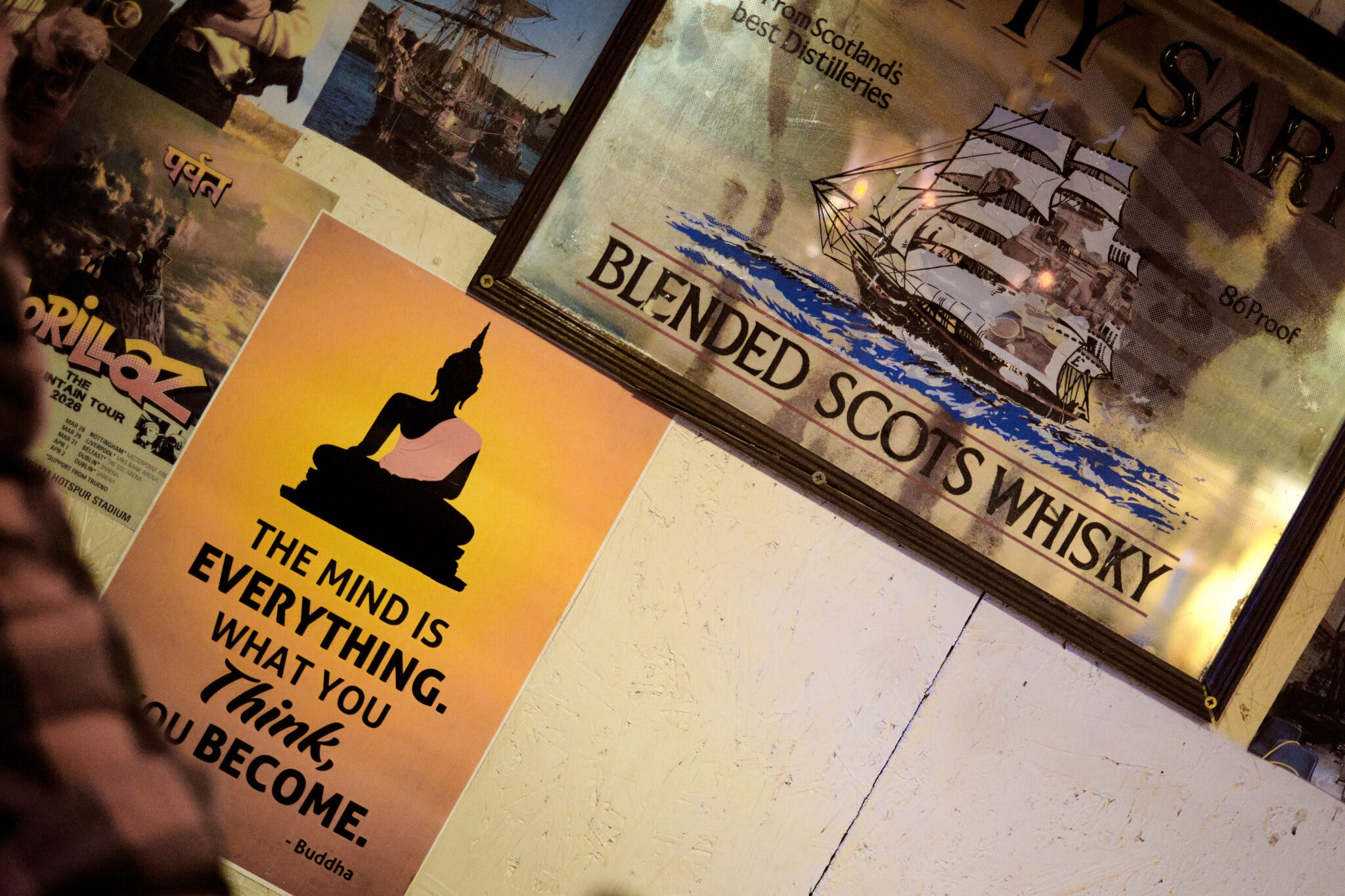
The rebuilt wall unintentionally symbolises this transformation.
It is visually attractive, structurally sound, safer, and easier to manage. Yet many of the assumptions embedded within it no longer appear centred on boats, cargo, navigation, or working access. The maritime function survives largely as heritage, memory, atmosphere, and cultural identity.
In this sense Palnackie reflects a broader pattern visible across modern Britain, where many former industrial and transport spaces are preserved visually while losing the productive functions that originally gave them life.
The appearance remains.
The purpose changes.


One of the recurring motifs throughout the Palnackie dispute has been enclosure.
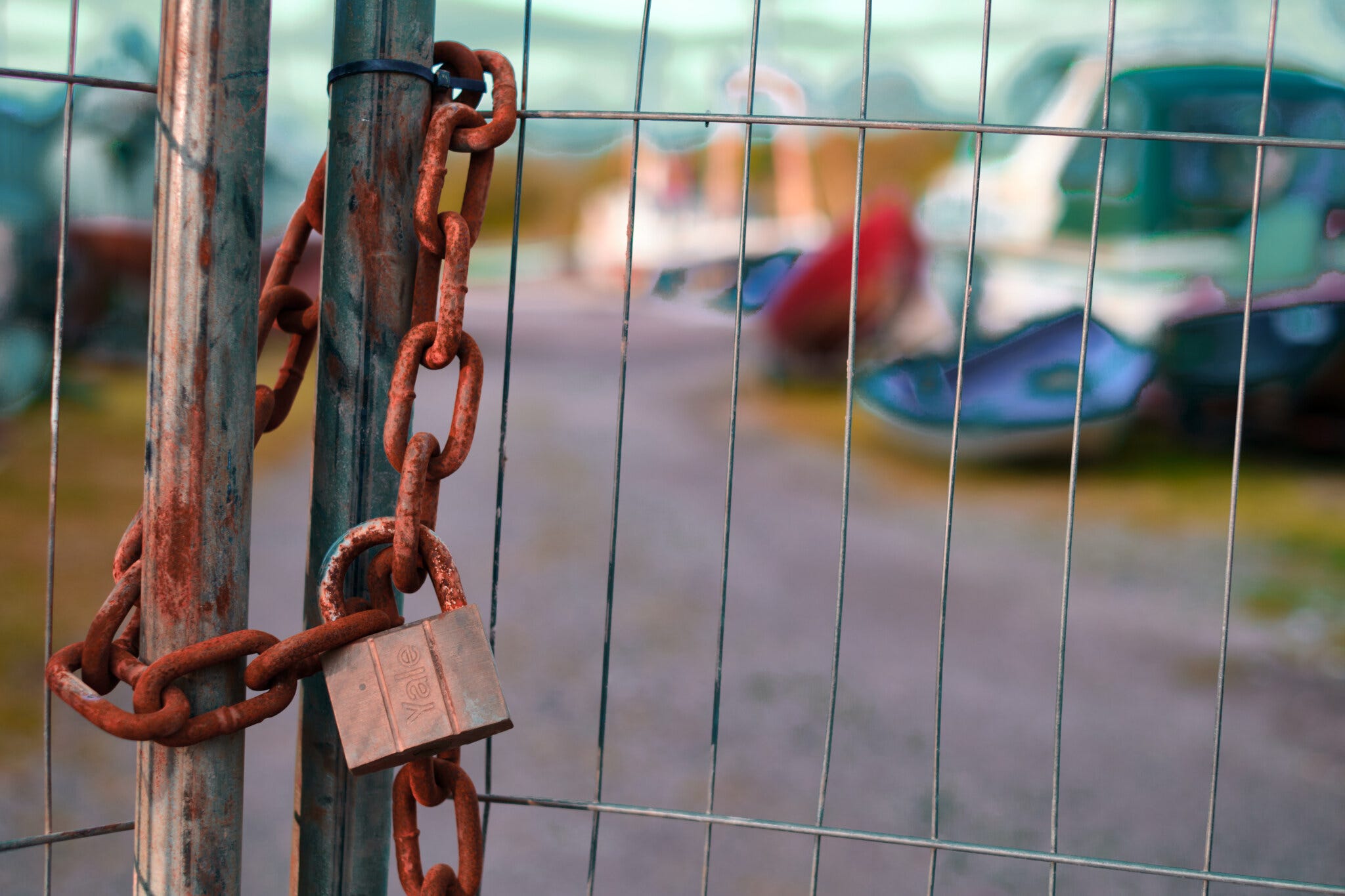
During the reconstruction works, fencing and access restrictions appeared around parts of the harbour with little meaningful consultation with existing users. The rebuilt wall still includes ladders, vehicle access, and formalised entry points, yet the overall atmosphere increasingly shifted from open practical use toward managed permission.
Areas once casually traversed became spaces requiring supervision, justification, or approval. None of the individual changes seemed especially dramatic in isolation. Yet taken together they reflected a subtle but important shift in how public and semi-public infrastructure is experienced.
This is particularly striking because the physical access routes themselves have often been retained.
Boat, pontoon, and container movements have at times occurred without direct owner consultation. The difference may seem psychological as much as legal, but such distinctions matter greatly in practice.
A place people feel uncertain about using soon becomes a place they cease to use altogether.
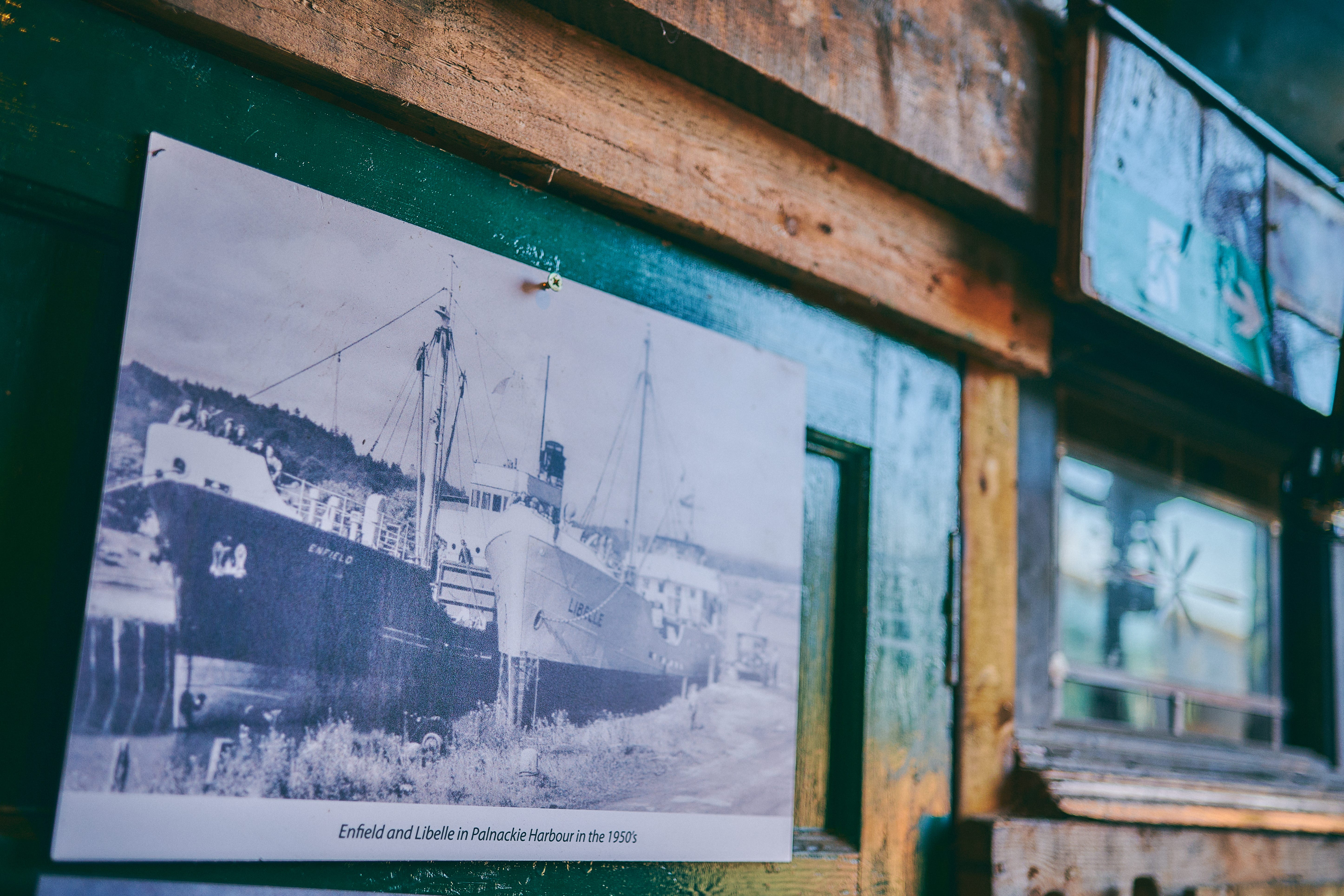
Historically, ports embodied movement and permeability.
People, goods, vehicles, fishing equipment, ropes, fuel, timber, cargo, and boats flowed through them in ways that were often untidy but functionally alive. Modern Britain increasingly struggles with such ambiguity. Liability concerns, safety culture, insurance requirements, visual appeal, environmental management, and property sensitivities all push toward tighter forms of control.
What emerges is not necessarily privatisation in the classic sense, but something softer and more diffuse: the gradual replacement of common practical access with supervised and conditional use.
Palnackie may therefore be less a story about one disputed harbour than a small case study in how enclosure now operates in contemporary civic life.
Like many small communities, Palnackie operates not only through formal structures, but through relationships, reputation, memory, and informal social pressure.
People know one another. Families have histories. Local disagreements rarely remain abstract or procedural for long. In such environments, disputes over land, access, boats, or governance quickly become entangled with questions of belonging, personality, loyalty, and social legitimacy.

One consequence is that many people who hold nuanced or mixed views often remain publicly silent. Some privately sympathise with aspects of the harbour users’ concerns while disliking the confrontational style of parts of the campaign. Others welcome the tidier appearance and calmer atmosphere of the redeveloped harbour while still feeling uneasy about the disappearance of its working maritime role.
Few wish to become socially entangled in a dispute that has already consumed years of conflict, accusations, legal manoeuvres, and personal fallout.
This creates a peculiar vacuum in which the loudest, most persistent, or most institutionally connected voices gradually shape reality by default. Over time, the absence of open disagreement can then be mistaken for genuine consensus. Yet beneath the surface, the harbour continues to expose unresolved tensions about class, ownership, authority, access, identity, and the future direction of rural communities themselves.
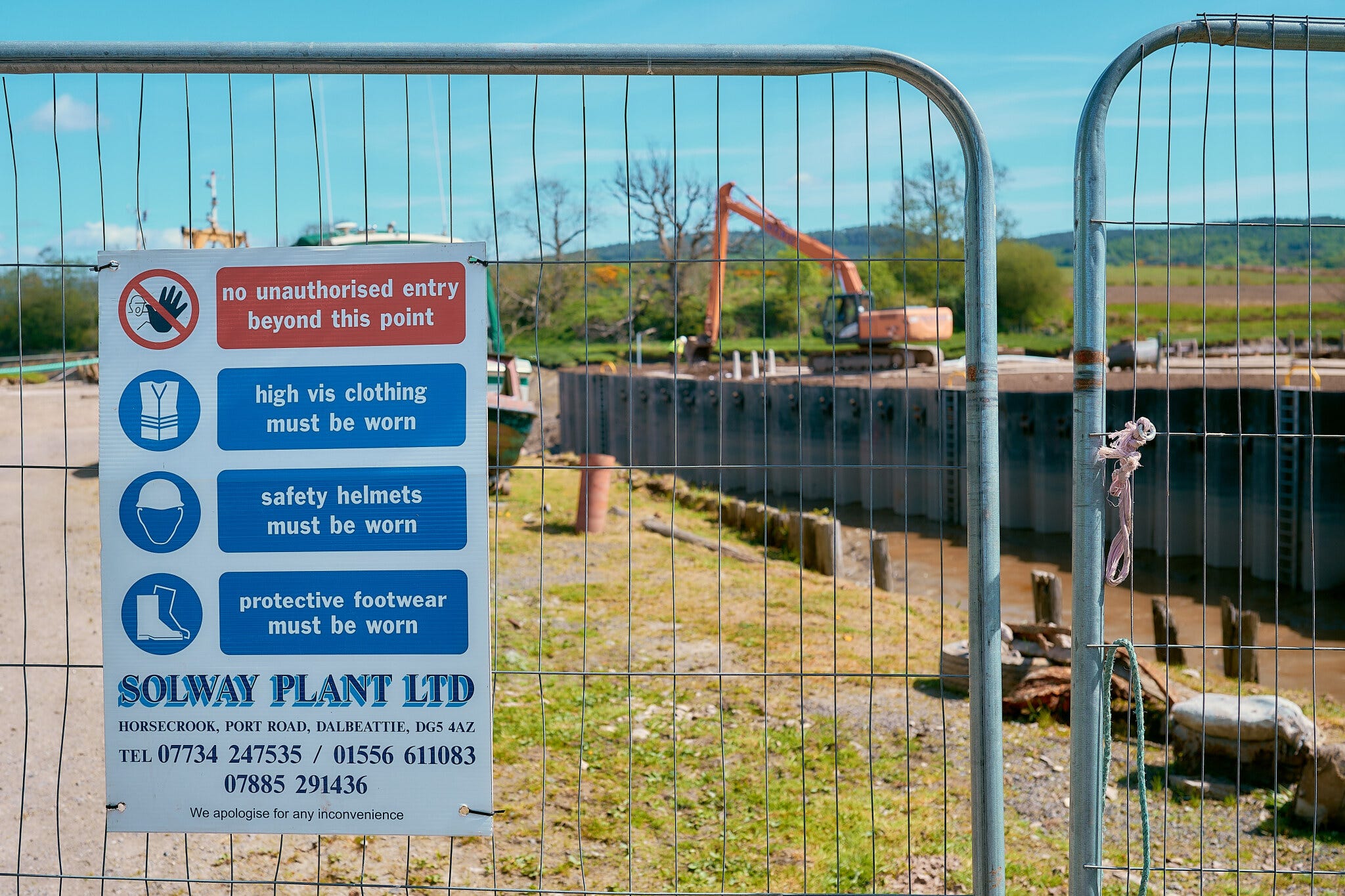
The result is that Palnackie increasingly feels less like a simple infrastructure dispute and more like a study in how modern local power actually functions:
softly, socially, indirectly, and often without anyone fully acknowledging it.
Working infrastructure is rarely tidy. Harbours smell of diesel, seaweed, rope, paint, rust, fuel, wet timber, and fish. Boats require repair. Equipment accumulates. Mooring lines snake across quaysides. Scrap materials linger longer than they should.
Active maritime environments are noisy, inconvenient, visually irregular places because they are shaped around practical function rather than aesthetic coherence.
Modern Britain increasingly struggles to tolerate such productive mess. Across the country, former industrial spaces are steadily redesigned around leisure, tourism, safety management, residential desirability, and controlled visual order. The awkward realities of work, maintenance, transport, and manual industry are pushed outward or hidden from view altogether.
What remains is often cleaner, calmer, and more pleasant to look at — but also less economically and culturally alive.

Some of the harbour users undeniably contributed to the disorder and visual clutter that frustrated residents and visitors alike. Yet the deeper question is whether the cure has quietly eliminated the underlying function itself. A working harbour without inconvenience is a difficult thing to sustain.
Once every boat becomes a nuisance, every rope a hazard, every vehicle an intrusion, and every untidy corner a reputational problem, the logic of maritime activity slowly collapses under the weight of modern expectations. What survives may still resemble a harbour visually, but increasingly operates as a carefully curated landscape rather than a living place of navigation and exchange.
What makes the Palnackie dispute unusually difficult to resolve is that both sides possess fragments of legitimate truth.

The harbour users were right to worry about the erosion of navigation rights, the disappearance of maritime infrastructure, and the gradual conversion of a working port into a managed scenic amenity. They were also correct that historic trust ports exist to serve wider classes of beneficiaries than simply the nearest residents or most vocal local interests.
At the same time, many of the concerns raised by residents and other local stakeholders were not entirely unreasonable either. The harbour had become visibly disorderly at times. Old abandoned boats and equipment accumulated. Safety issues existed. Communication repeatedly deteriorated into conflict and accusation. Some individuals behaved badly. The atmosphere around the dispute often became tiresome even for those broadly sympathetic to one side or the other.
Years of conflict gradually exhausted many of the people involved, including some of those who had originally tried to revive the harbour’s maritime life in the first place.
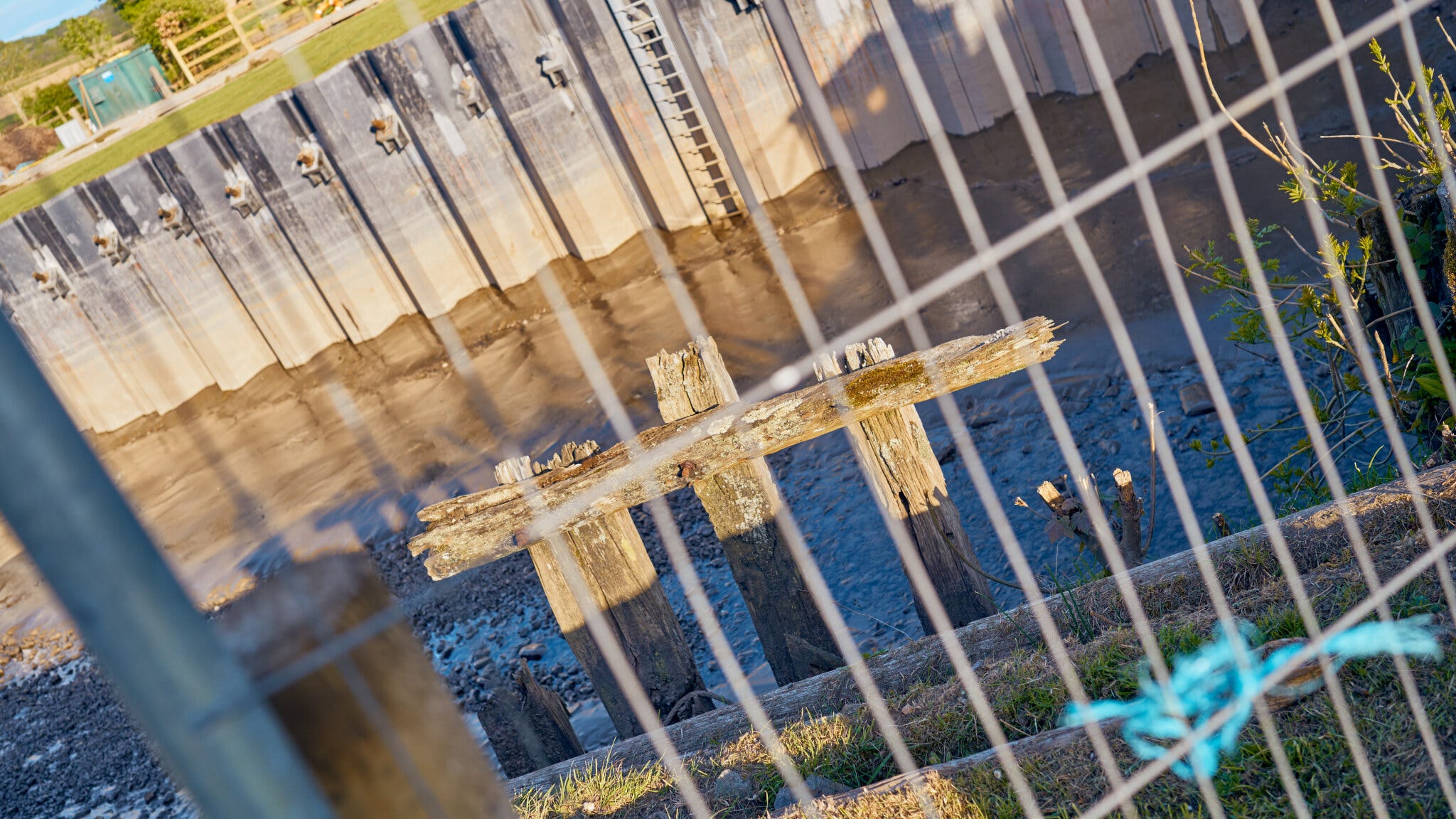
This is what gives the story its tragic dimension.
The conflict was never purely between heroes and villains, nor between preservation and destruction. Rather, it emerged from two increasingly incompatible visions of what places like Palnackie are for in modern Britain.
One vision saw the harbour primarily as living infrastructure: messy, difficult, maritime, and economically connected to wider networks of navigation and trade.
The other saw it increasingly as a local amenity: safer, quieter, visually coherent, and more compatible with residential and recreational village life.
Both visions contain elements of legitimacy. Yet once these different assumptions hardened into mutual distrust, the possibility of shared stewardship began to collapse.

There is perhaps no clearer illustration of this transition than the story of Captain Roy and La Malouine.
Roy’s traditional tall ship had to leave Palnackie during the harbour works. He hoped to return once the reconstruction was complete. But Roy died before that could happen, in his eighties, and La Malouine never came home.
In another era, vessels like his might still have carried small heritage cargoes — beer, whisky, timber, or tourists — between the Solway, Ireland, and the Isle of Man, reconnecting old maritime routes in modern form. The return of La Malouine would have been eagerly anticipated. Instead, the question now hanging over Palnackie is whether such boats still meaningfully belong there at all.
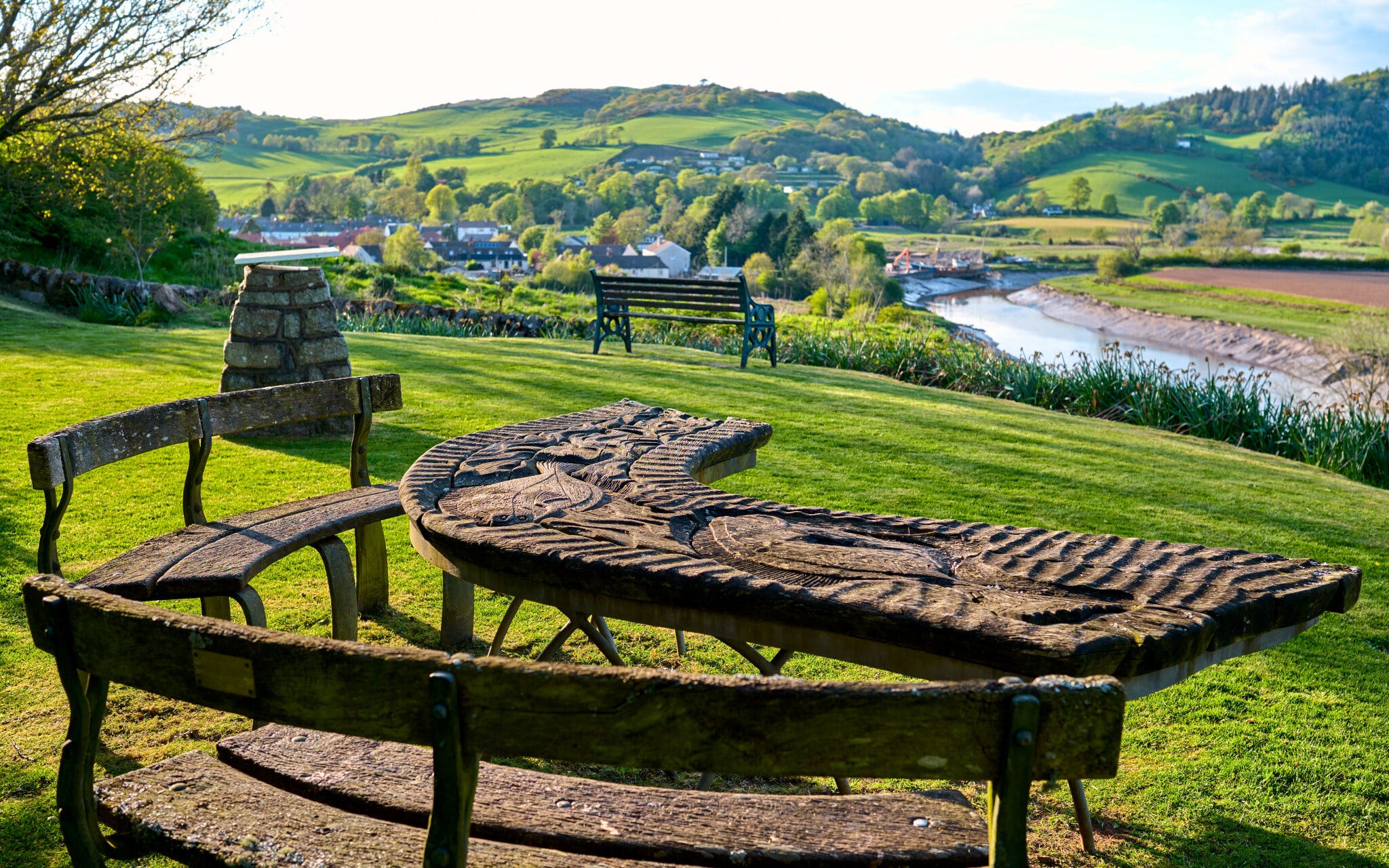
That perhaps leaves the most uncomfortable question of all.
If small ports like Palnackie no longer substantively function as places of navigation, loading, repair, fishing, trade, or maritime exchange, then what exactly are they becoming? Are they still ports in any serious sense, or are they evolving into a new category altogether: heritage waterfronts whose primary purpose is aesthetic, residential, recreational, and symbolic?
And what happens to places like Palnackie when they gradually lose the practical functions that once justified their existence in the first place? The local primary school recently closed, and younger families are increasingly scarce. A village can preserve its scenery, its tranquillity, and even its historical identity, while still quietly losing the living social and economic circulation that once sustained it.
There is nothing inherently wrong with beauty, safety, tourism, or environmental improvement. Nor is there any moral obligation to preserve every historic harbour exactly as it existed in the nineteenth century.
Coastal economies change. Maritime industries evolve. Communities adapt.
Yet small ports and inlets once functioned as something like the capillaries of Britain’s coastal life: tiny channels through which local trade, movement, skills, repair, transport, and practical knowledge quietly circulated. Their significance rarely lay in scale alone, but in connectivity, resilience, and the dense web of relationships they sustained around them.
Something important may be lost when working access quietly gives way to curated experience, and when infrastructure designed for movement becomes infrastructure designed primarily for observation.


Palnackie’s harbour sits awkwardly between two identities: one inherited from centuries of navigation and trade, the other shaped by modern pressures toward amenity, control, liability management, and visual order.
Maybe that is why this tiny dispute has resonated far beyond one muddy Scottish inlet.
It forces a larger national question into view.
In a society increasingly organised around consumption, tourism, and managed appearance, do we still know how to preserve the messy, difficult, practical infrastructure that once connected us to one another — and to the wider world beyond the horizon?
Perhaps the abandoned granite mooring post left beside the rebuilt harbour wall already gives the answer.
Sadly.
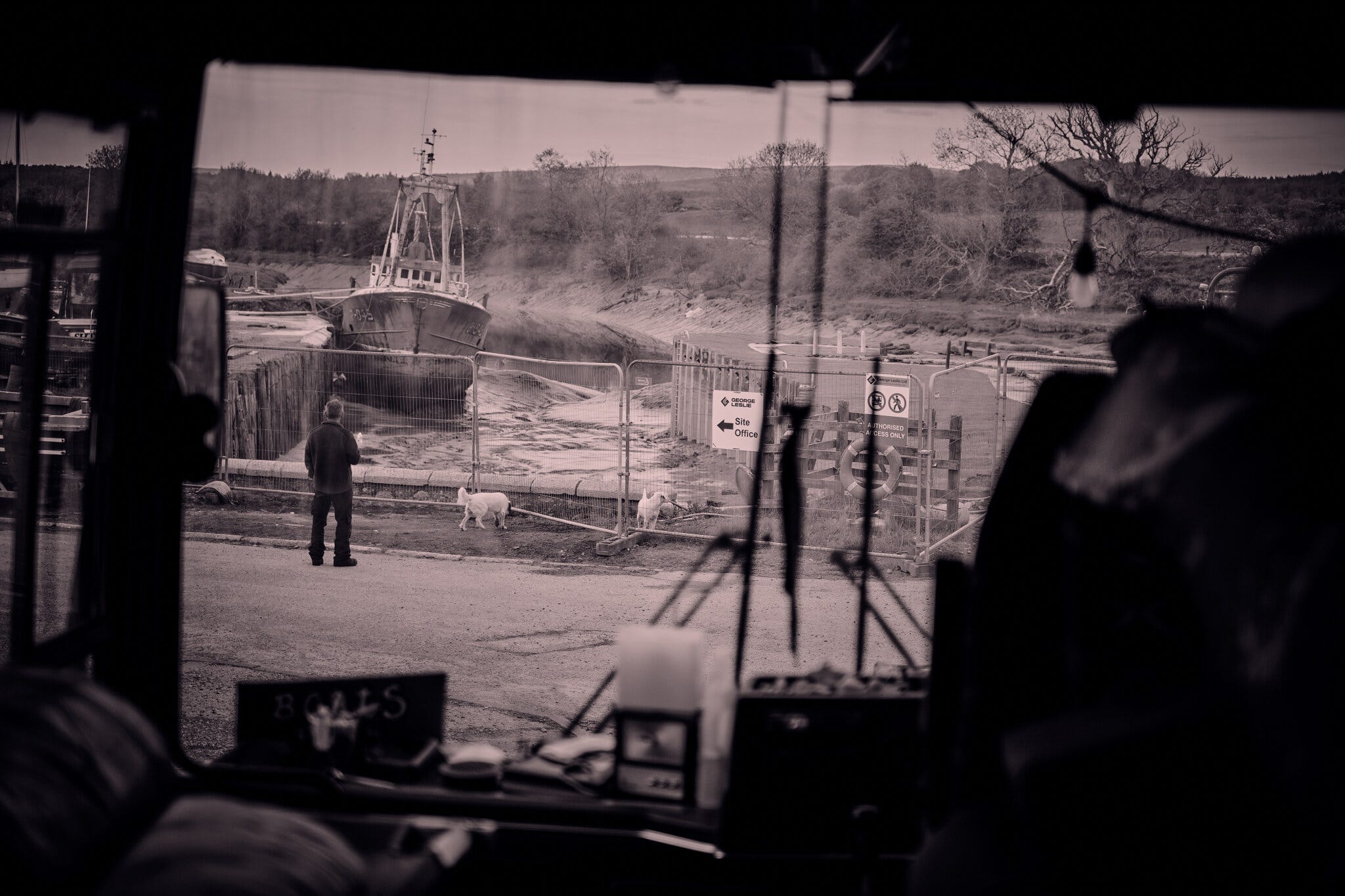
I've been wondering about what had been happening in Palnackie. I see so many situations where little acts eat away at economic activity or some other previously vigorous part of a community or country. 99% of all such acts lead toward non-production. Is it just the Zeitgeist, or is it more conscious than that? I don't have an answer, but it does seem like seeping, constant, deliberate pressure. England and Europe are increasingly like a kind of ancient Disneyland where people who want to work and make a mess are cut off from the facilities that previously supported them. Can a country which has been increasingly Disneyfied ever be a player again? Trump, Putin, Xi, Modi, they all seem to be moving away from the entropic decay that is Europe. And is it actually just entropy, or is it something darker, a kind of civilizational corruption process? Not scientific entropy, and not cultivated and genteel decay, but rather a kind of enforced decomposition before the body is even fully dead.