As recently announced, I withdrew my Judicial Review before the oral renewal hearing that was due to take place tomorrow. This was not for lack of merit. The central question I raised remains simple: what is the legal identity of the tribunal that claims authority to convict and enforce against me?
Despite repeated requests, the State has not provided a definitive answer. The proceedings had also reached a procedural dead end, as my attempt to pursue a Case Stated appeal was not processed. If court names have no clear legal meaning, and the boundary between legally constituted tribunals and administrative labels becomes blurred, how are we being bound by authority?
Rather than continue down an increasingly convoluted path tied to the history of the underlying motoring matter, I have chosen to pursue the core issue through parallel proceedings under Part 8 of the Civil Procedure Rules. Those proceedings are uncontaminated by the prior litigation and provide a cleaner vehicle for resolving the underlying question of legal identity and authority.
Withdrawal therefore leaves the constitutional question clearly visible without risking an adverse ruling that might prematurely settle or obscure the issue. In that sense it preserves the problem for proper determination elsewhere, even if it means foregoing personal relief in this particular proceeding.
In effect, this Judicial Review functioned as a reconnaissance mission. It exposed how modern administrative justice increasingly relies on continuity doctrines and Parliamentary sovereignty to smooth over questions that, historically, would have been resolved by simple transparency and legal certainty.
A right that once seemed obvious — knowing precisely which tribunal in law holds coercive authority over you — has quietly been displaced by layers of automation, abstraction, and institutional opacity. Even after a year of research and legal work, I remain uncertain of the identity (if any) of the tribunal that was seized of the case when the Single Justice Procedure Notice was issued, and whether this is the same tribunal that ultimately conducted the open court hearing.
What emerges is an unsettling development: enforcement grounded not in a clearly identifiable tribunal acting in open court, but in a chain of administrative processes culminating in what appears, in practical terms, as a database record carrying the force of conviction. This is an “attribution war”, in which accountability is diffused away from identifiable judicial actors or institutions and into administrative structures, naming conventions, and procedural convenience.
Whether the legal system ultimately contains a remedy for this shift remains to be seen. But until the underlying right — certainty as to the tribunal exercising coercive authority — is recognised and asserted, the issue will remain largely invisible.

This process has come at a cost. My legal and court expenses now total nearly £3,700 (about $5,000), with an additional £1,000 (about $1,300) in court-related charges currently on my credit card. I acted as a litigant in person, so there were no professional fees on my side; the liability arises primarily from the Government Legal Department’s costs.
Some of you generously contributed to an earlier round of fundraising last August to cover filing fees and related costs. Those funds have long since been exhausted. Ironically, the ancient writ of quo warranto — which addressed precisely this kind of question of authority — was historically free, because it was seen as an essential safeguard against abuses of power.
I can cover these costs myself by drawing down my emergency reserves. However, this case has never been about a personal grievance. It concerns a structural question about how state authority is exercised and documented.
If this work has value, and if you believe that basic legal certainty about the identity of the tribunal exercising coercive authority over citizens should not quietly disappear into administrative abstraction, then your support is welcome and appreciated.
If you wish to contribute to my court and legal costs, you can donate here:
(It says Open Minds Media — that is me. The platform requires an organisation name, so I created one. There is an option to toggle between GBP and USD.)

In the past I have occasionally sent signed prints as a thank-you to supporters at the highest tier of my Substack, or to those who have made a substantial personal donation, sometimes as a surprise gift of gratitude. I don’t normally sell signed work, despite many requests over the years.
For those who would like something tangible in return for supporting this legal work, I will print and post a signed A3 archival photograph from my archive (for a minimum donation of £150 or US$200, postage is included). If you choose this option, we can work together to select an image that delights you — I will reach out to you.
Delivery timescale: as fast as I can manage and the crazy world right now permits.
There is a separate conversation to be had about developing “automated accountability and audit” tools using AI to help hold power to account. But that is for another day. For now, I am hopeful that better times — and perhaps greater abundance — are ahead for us all.
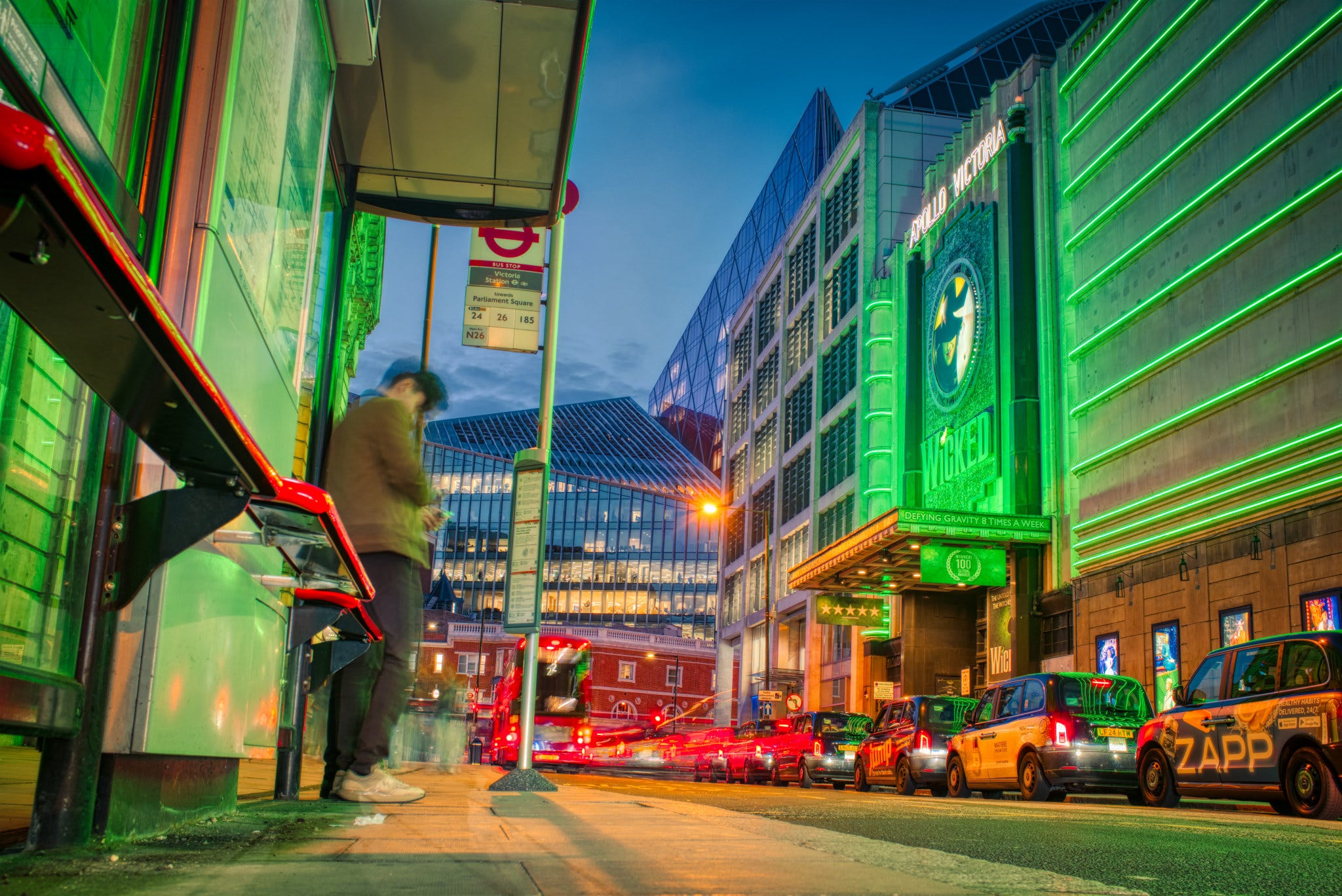
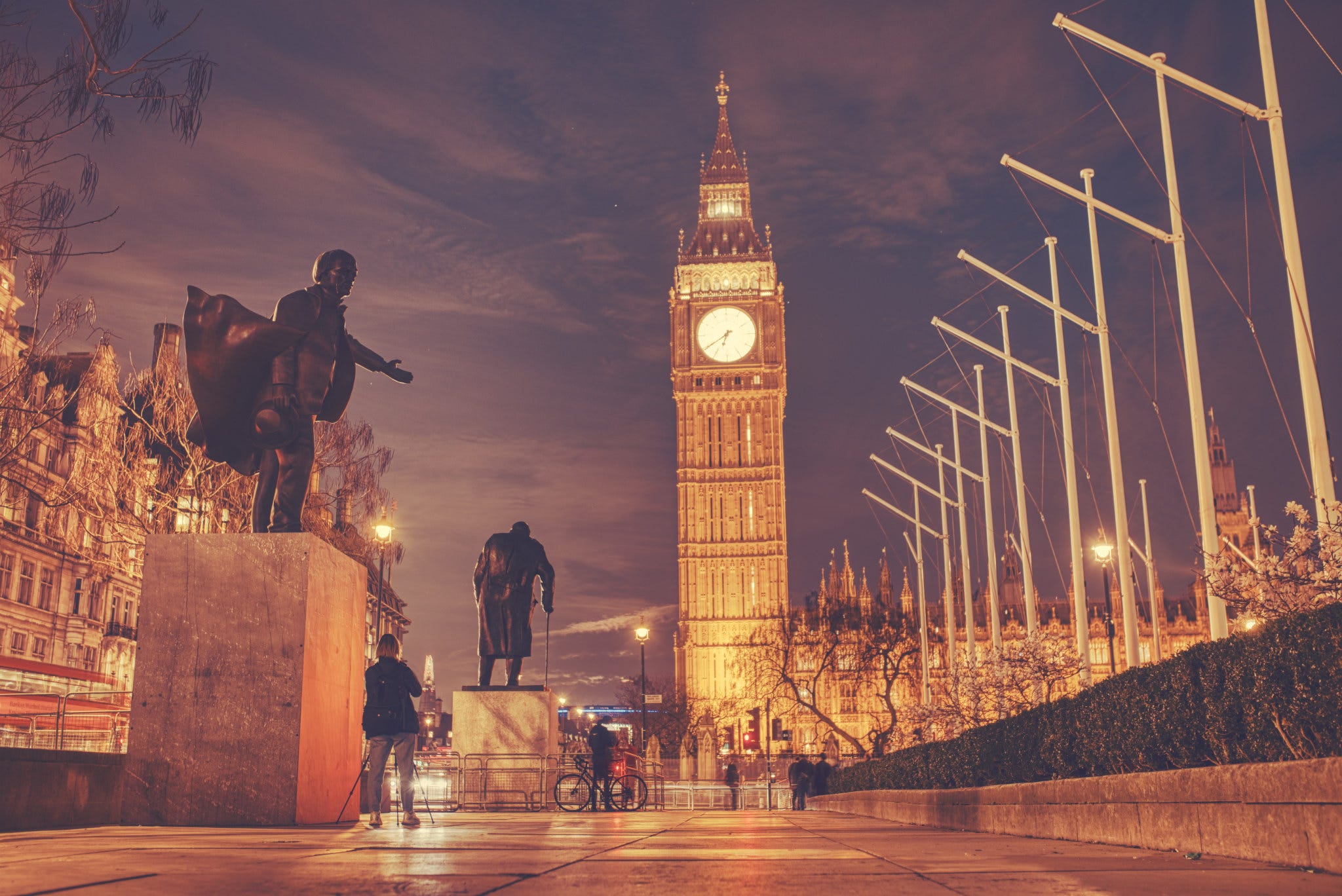
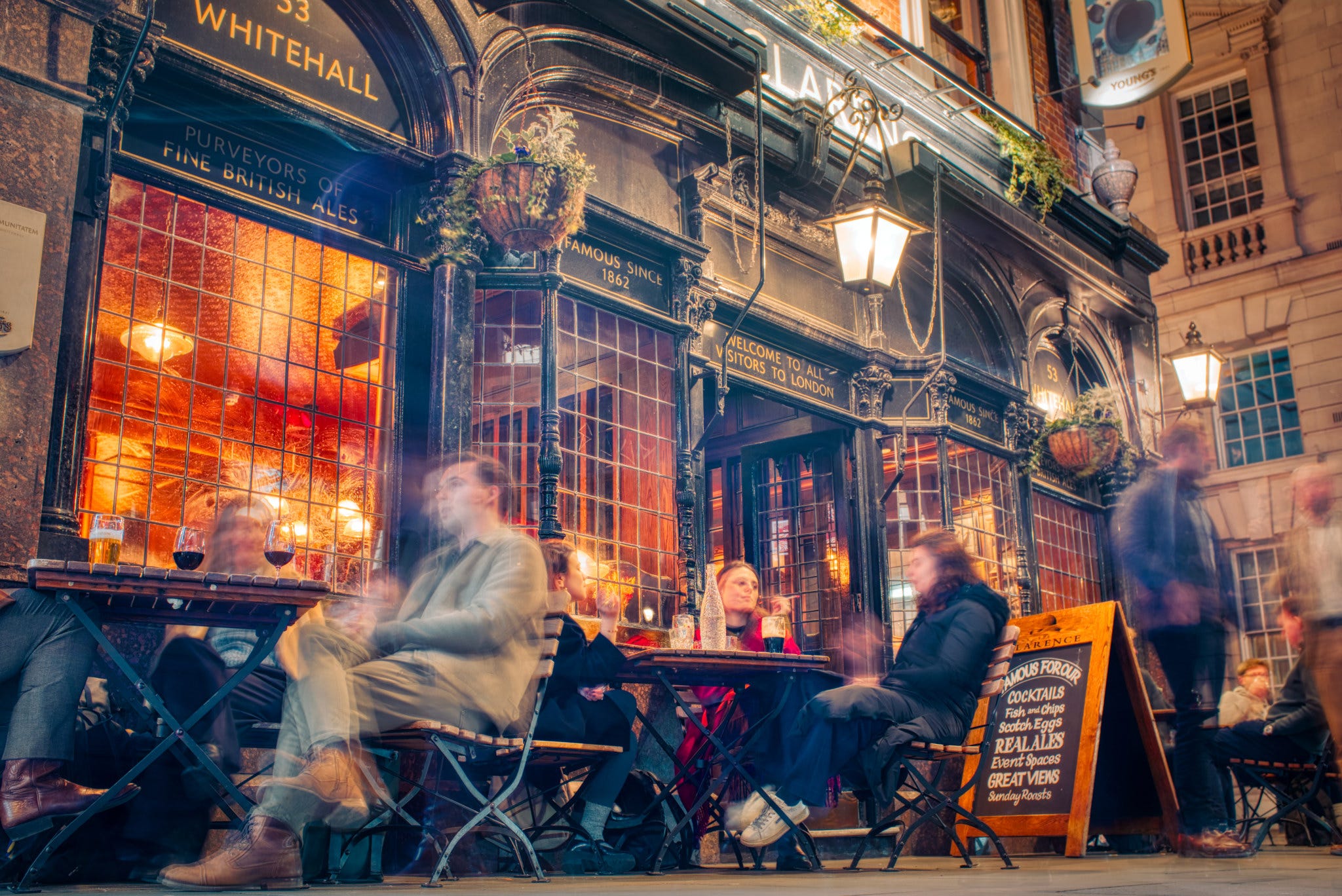
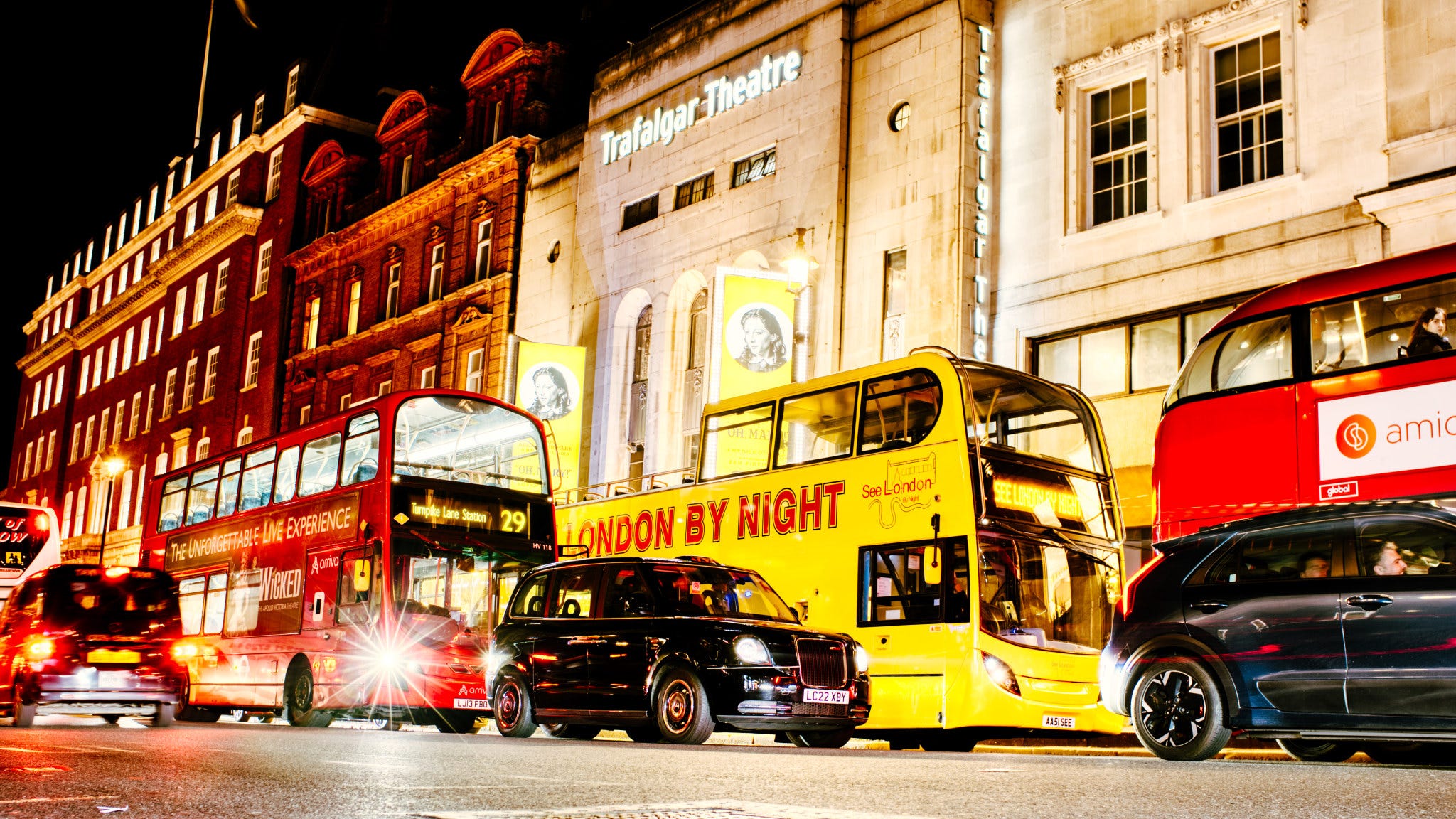
PS — All photos in this article fresh from London this week! Enjoy!