

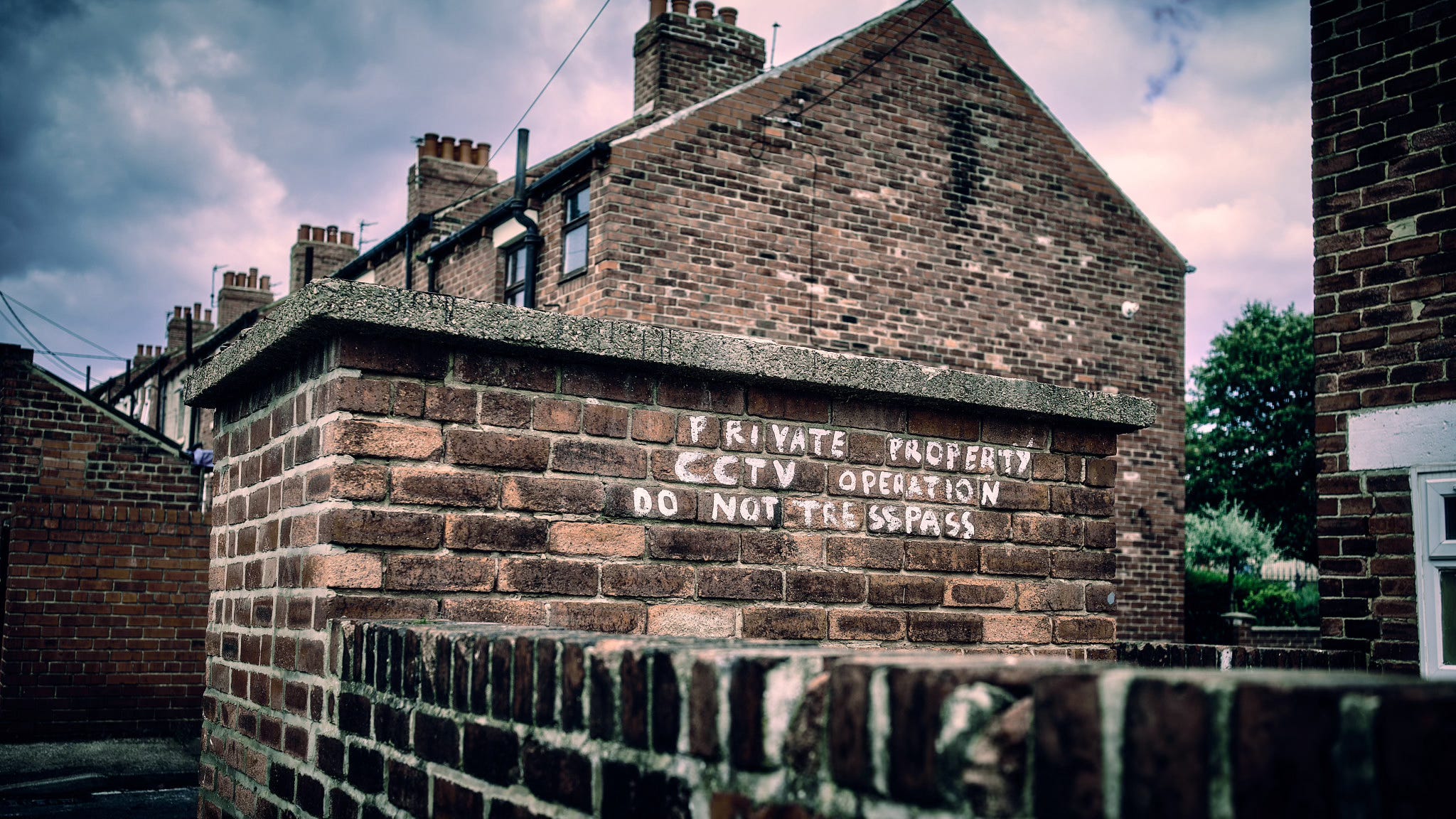
When I parked my van beside a bush in June of 2024, triggering a two-year legal odyssey to the High Court, I had no idea it would also set back my “poverty walk” photo documentary project by the same amount. I am slowly working my way through the backlog of images I took that summer, which captured areas of deprivation in the UK from Inverness to Essex. My takeaway is that while each deprived area might be coloured the same deep red on the deprivation index map, they are all unique in their character and afflictions.
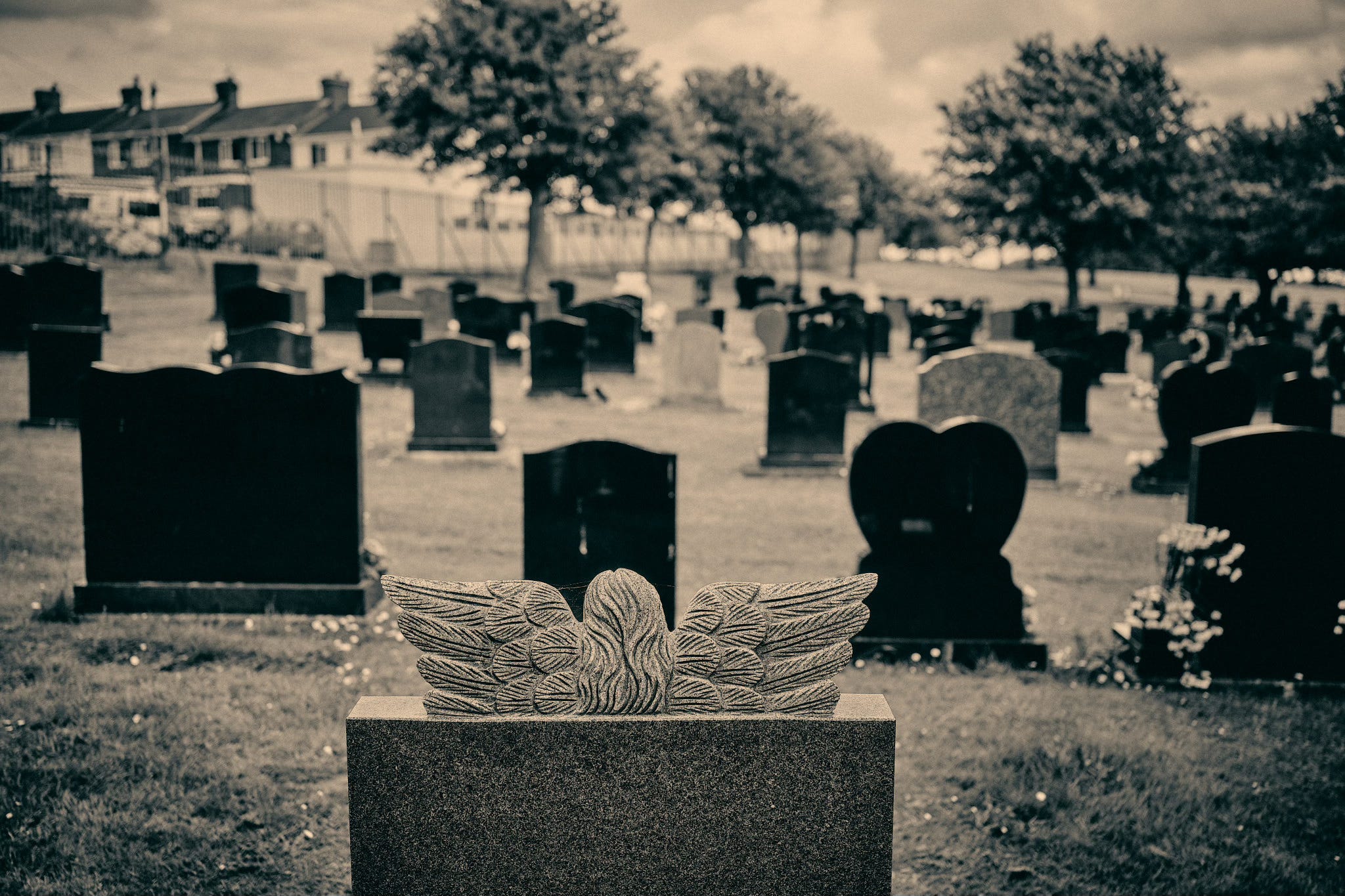
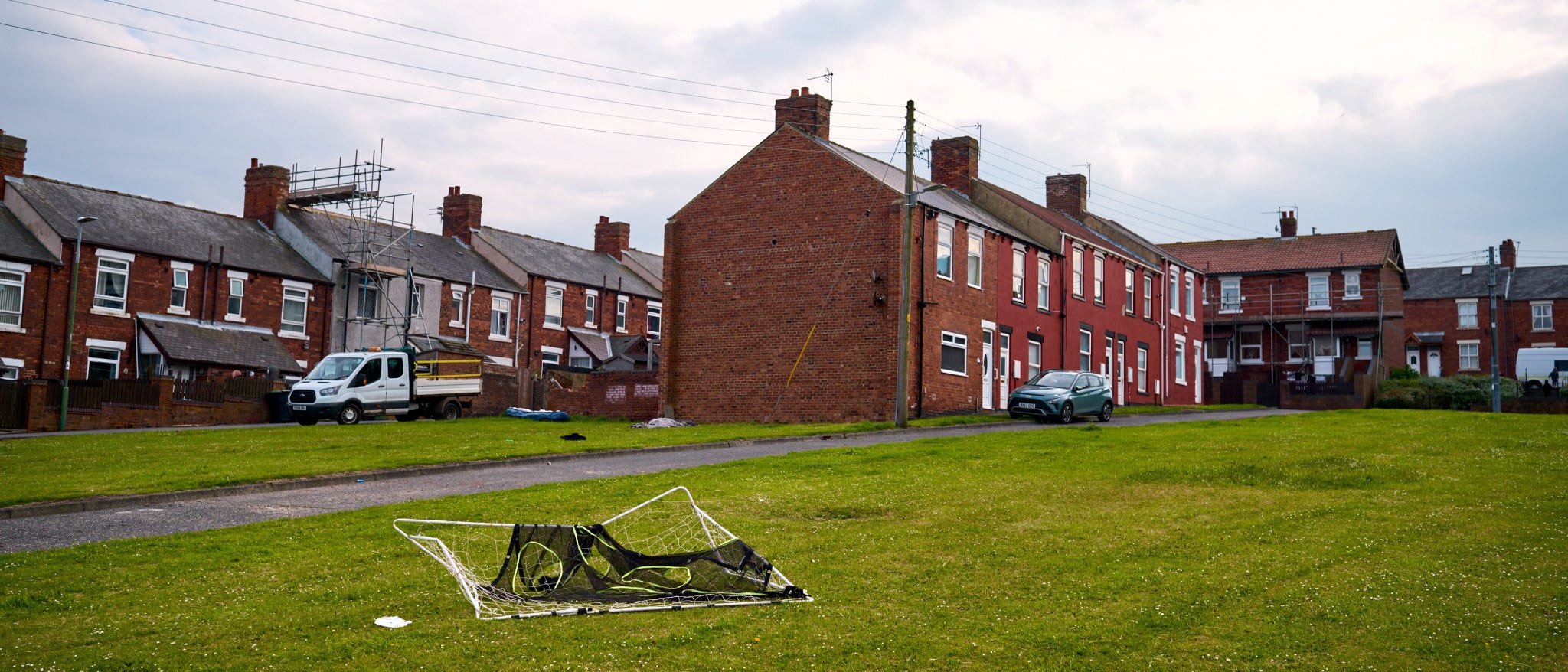
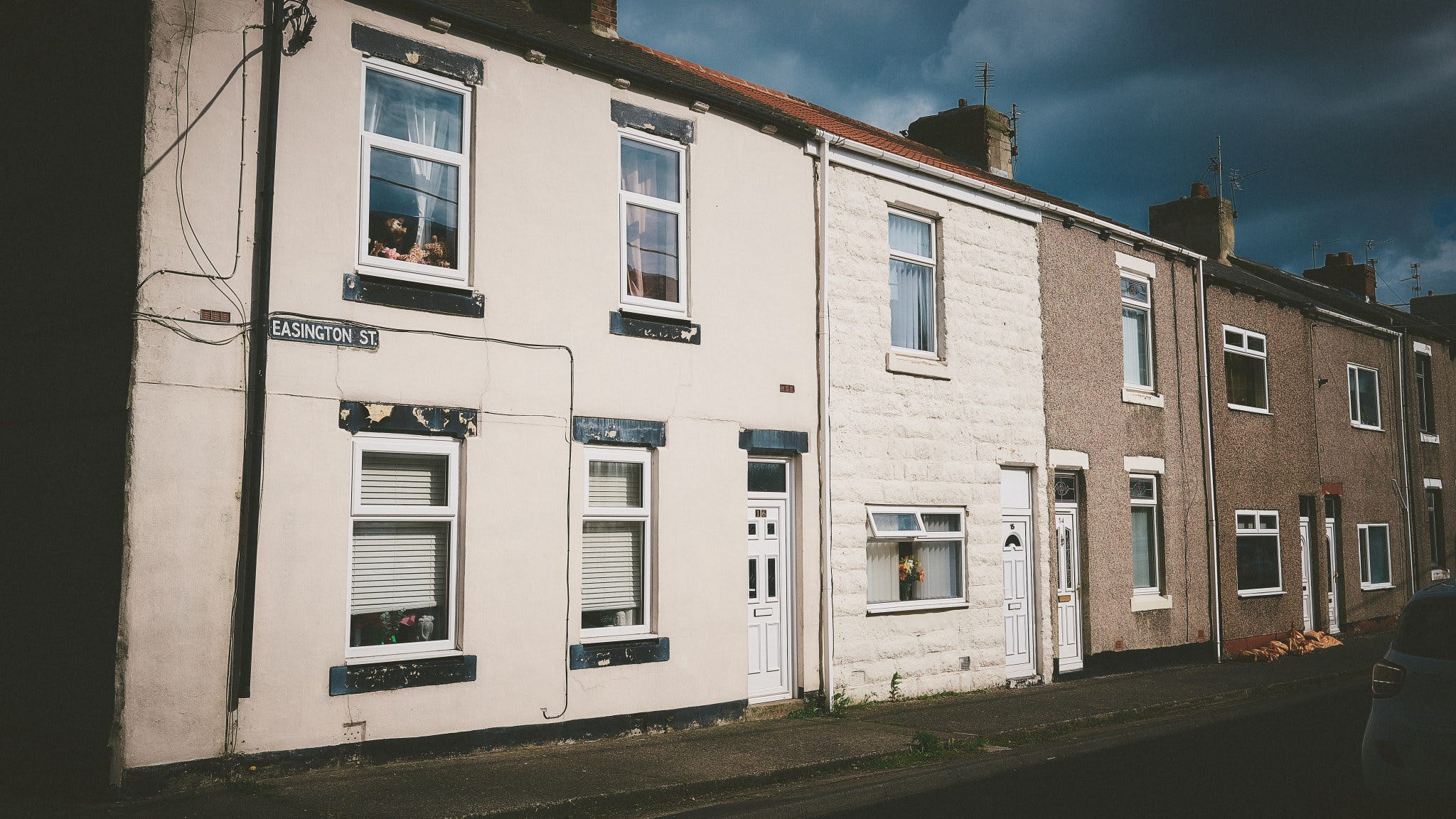
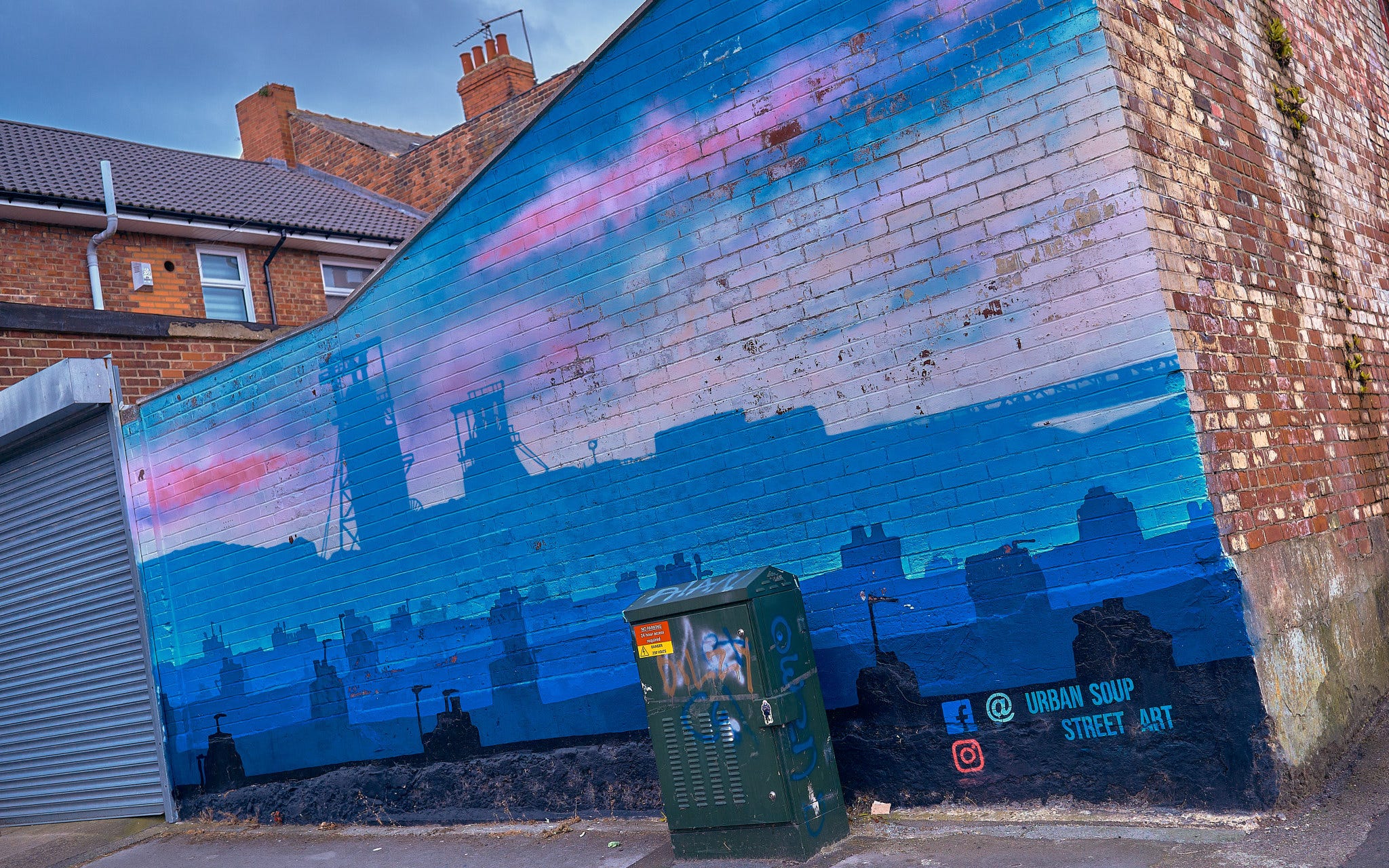
This virtual trip is to Easington Colliery, a former mining village. The coal mine was closed in 1993, bringing mass unemployment.
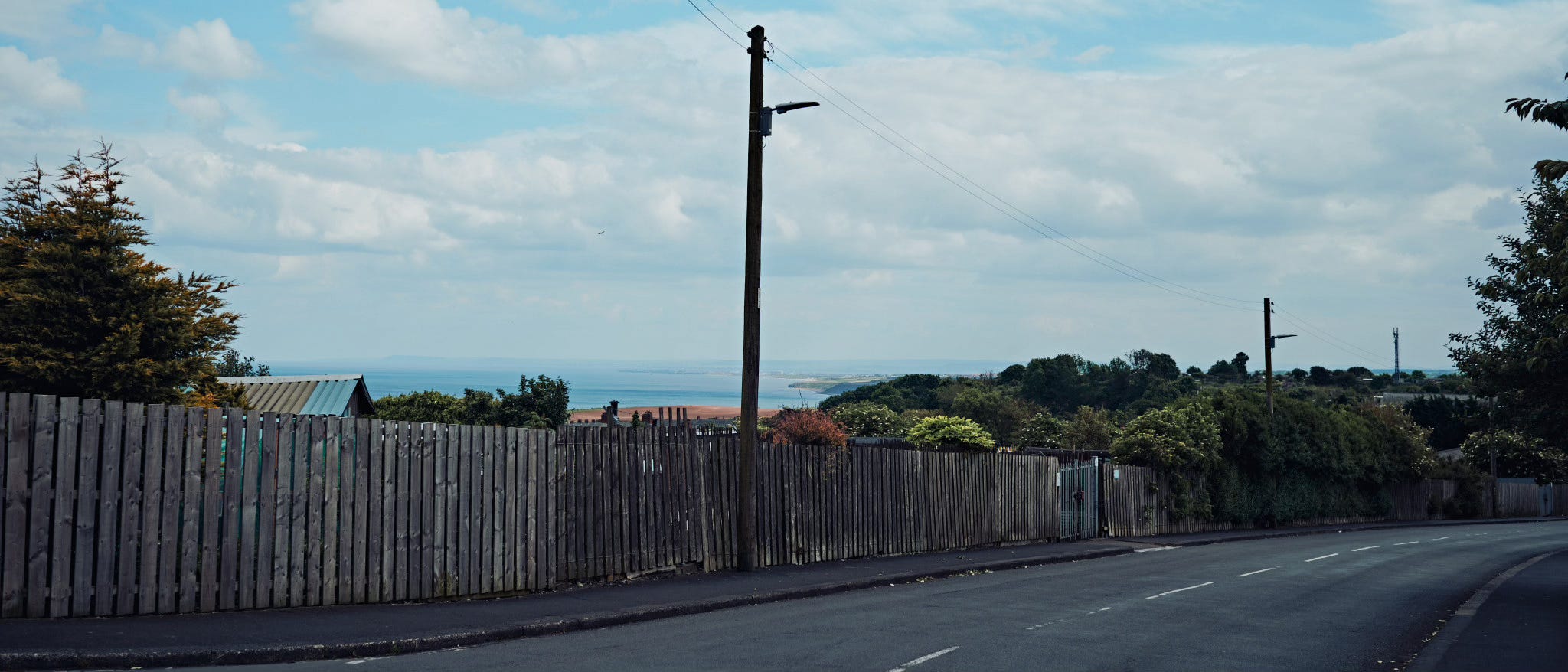
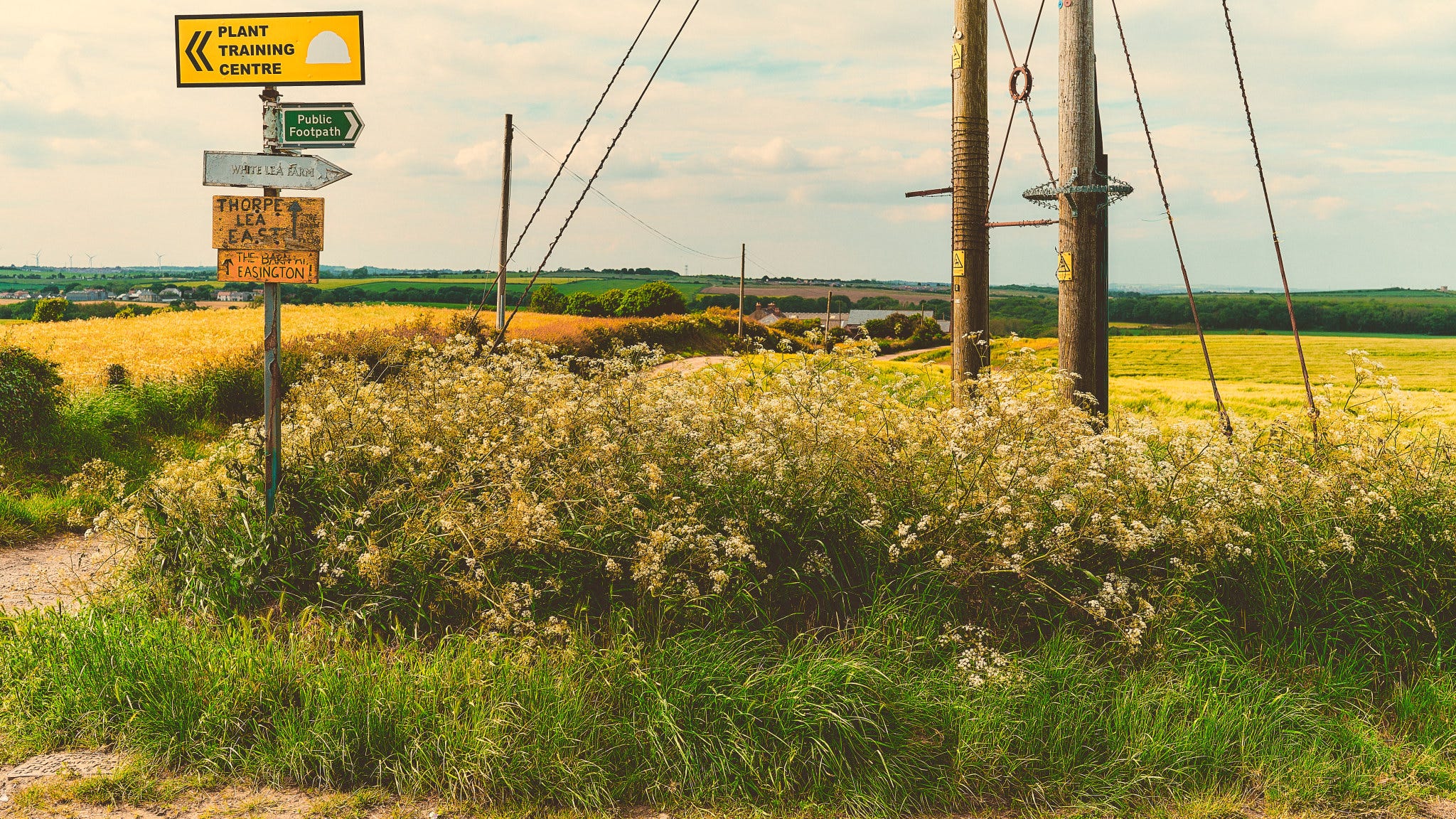
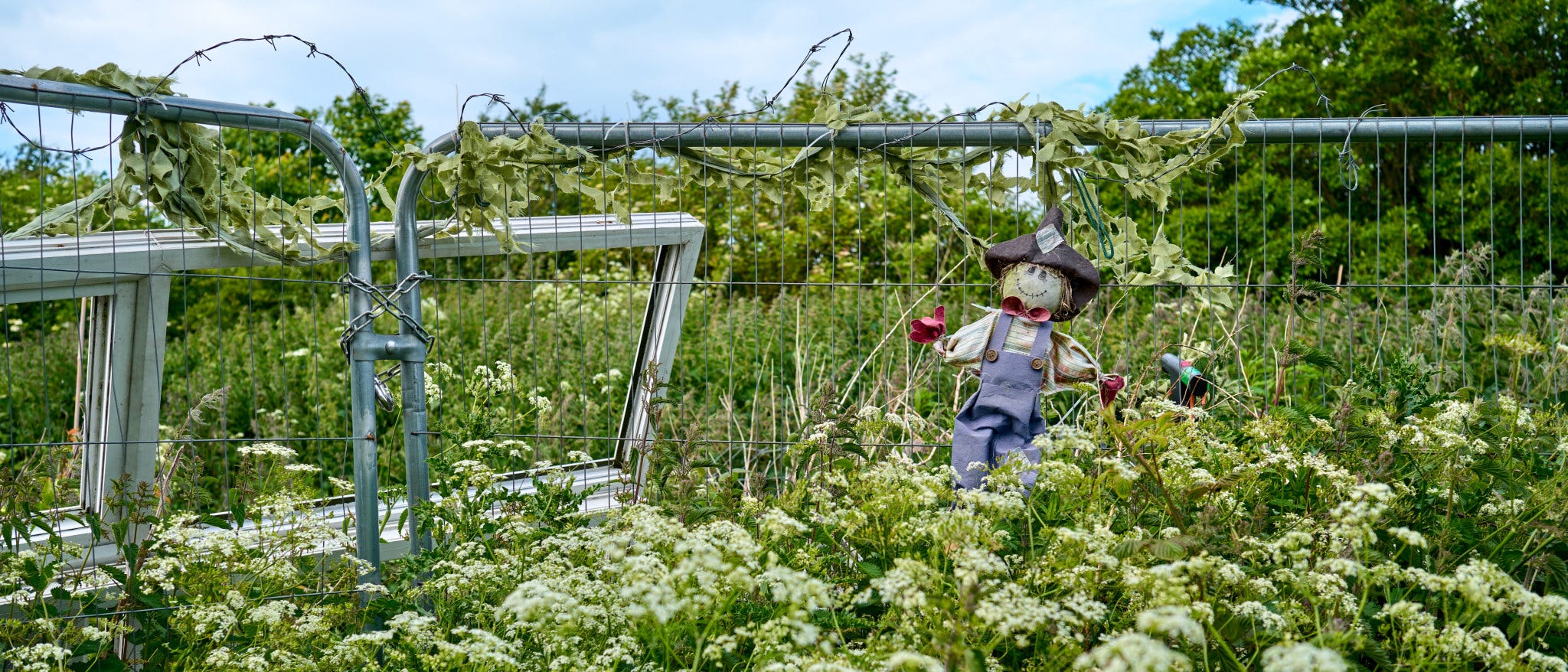
Being beside the sea and surrounded by farmland, the area is naturally attractive.
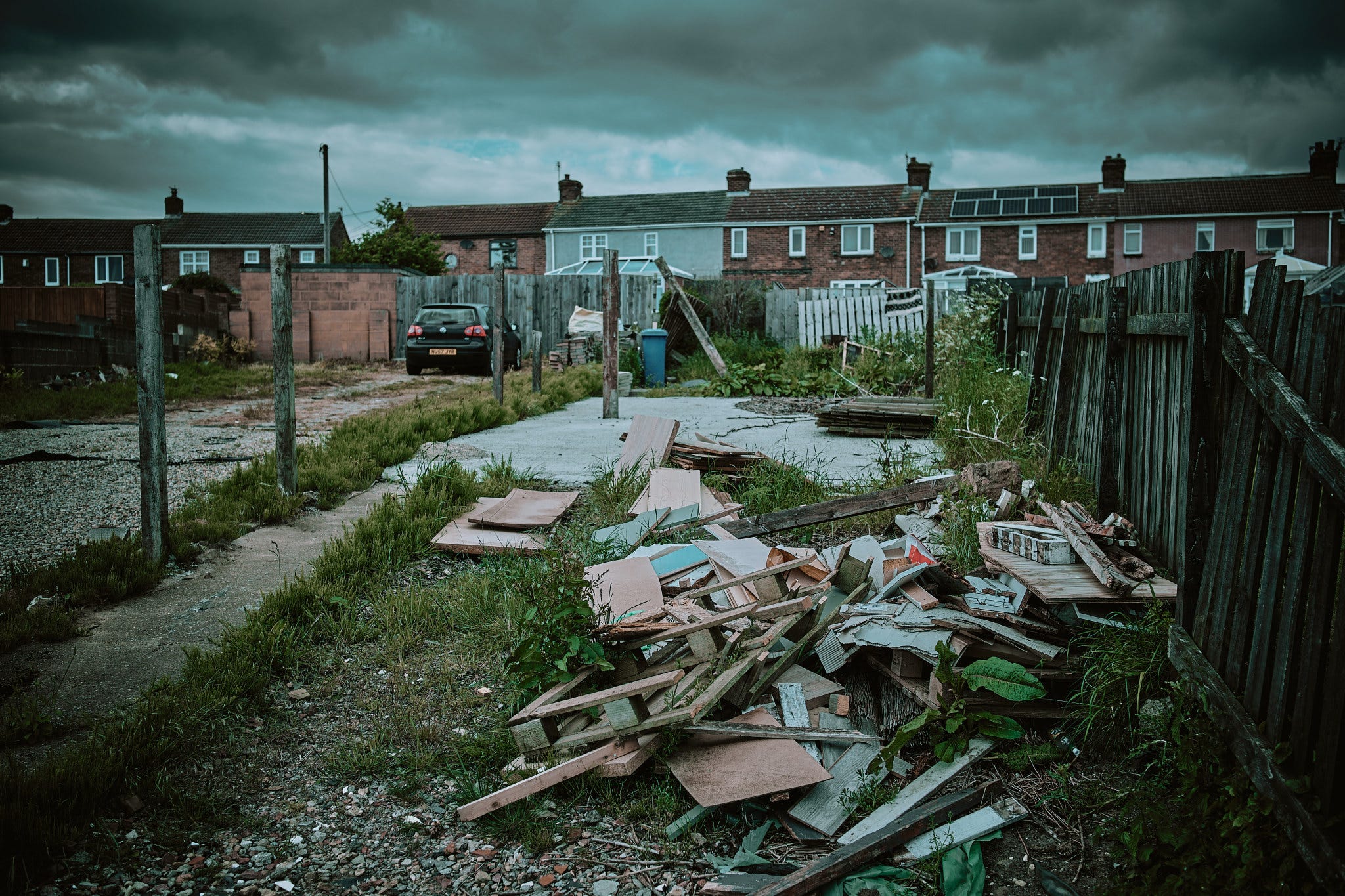
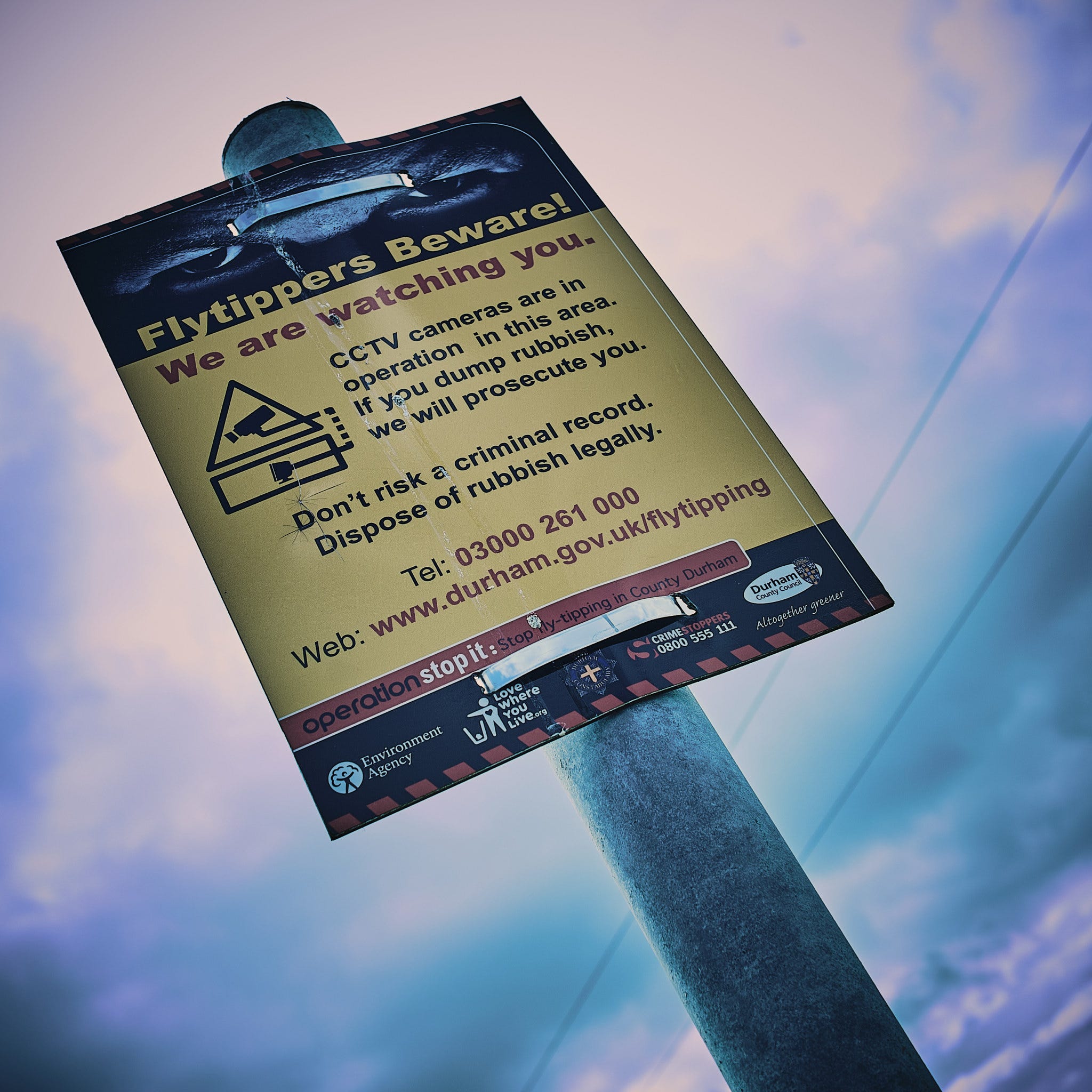
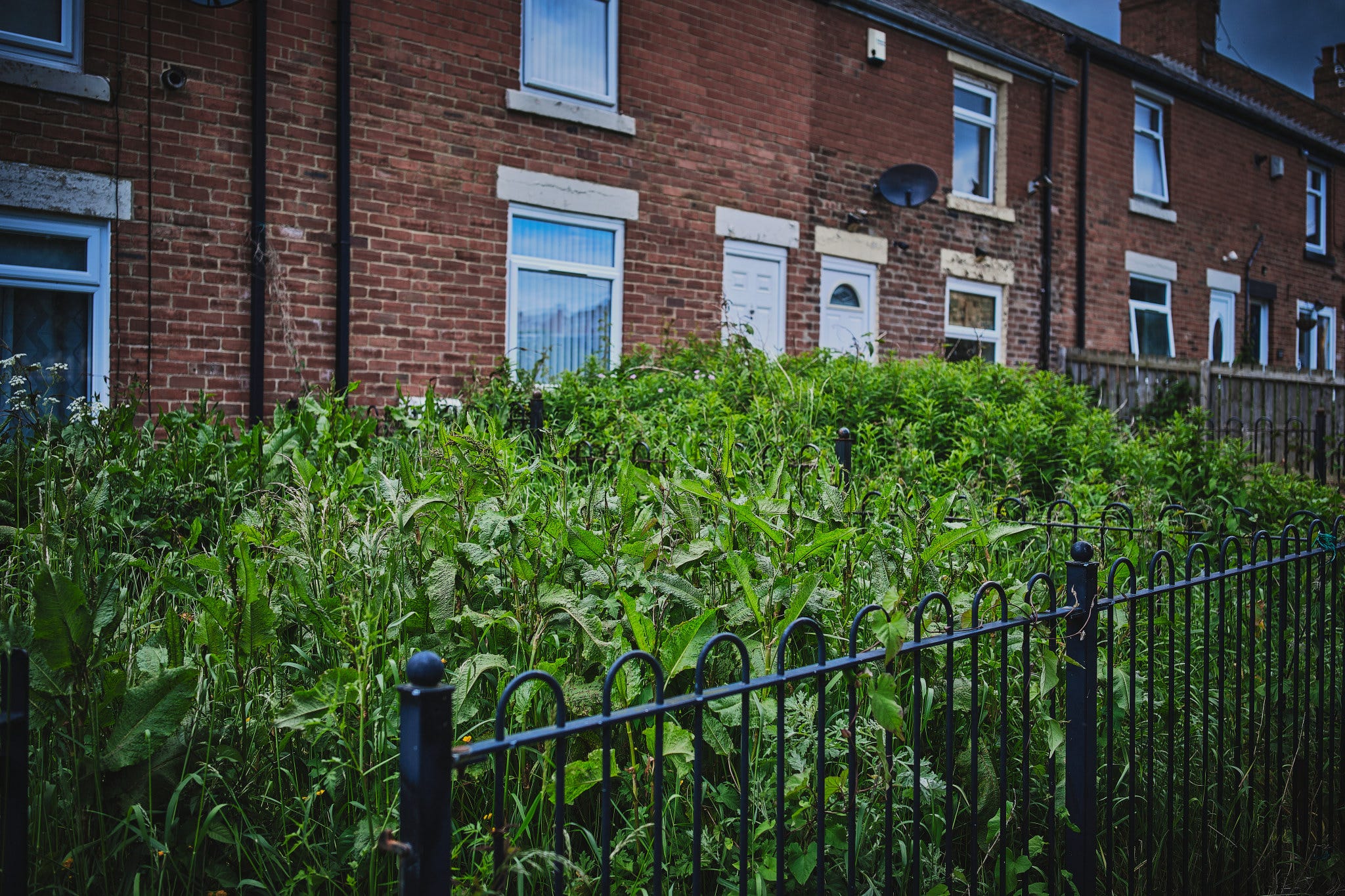
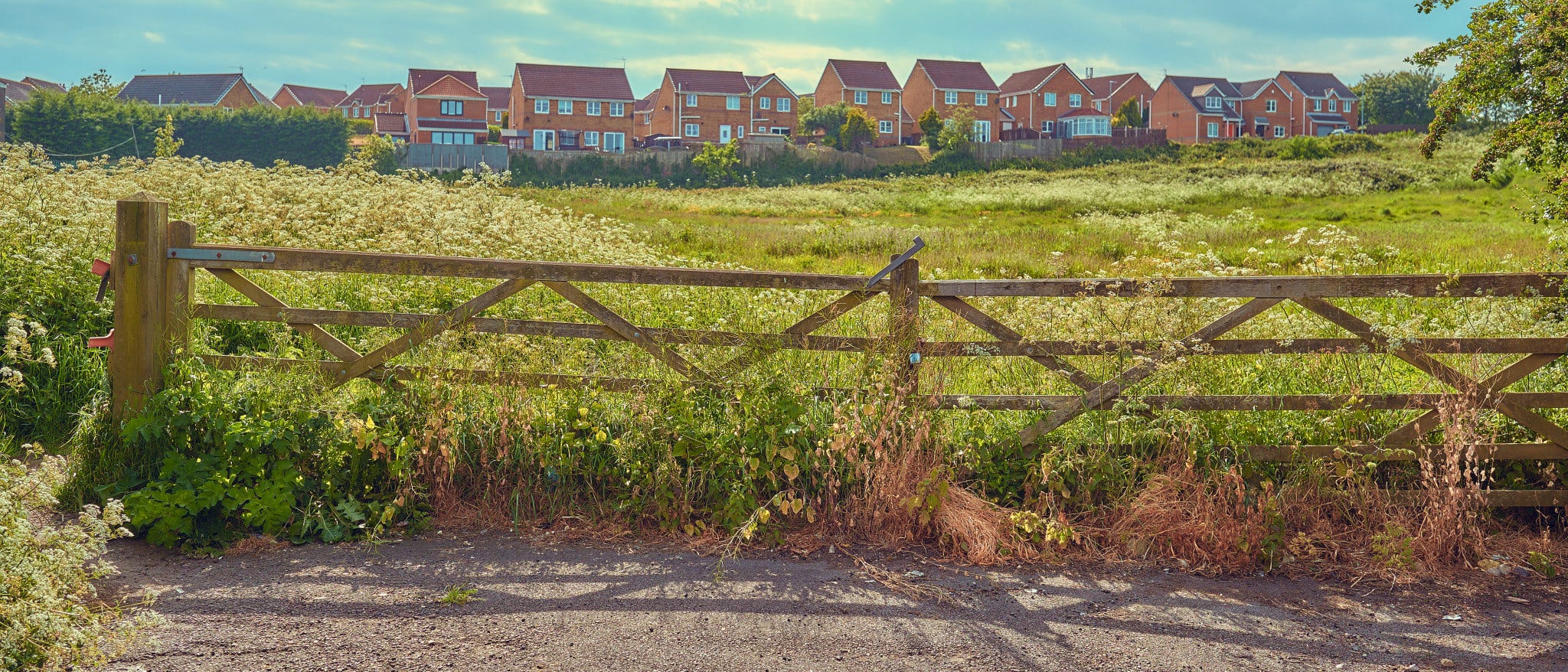
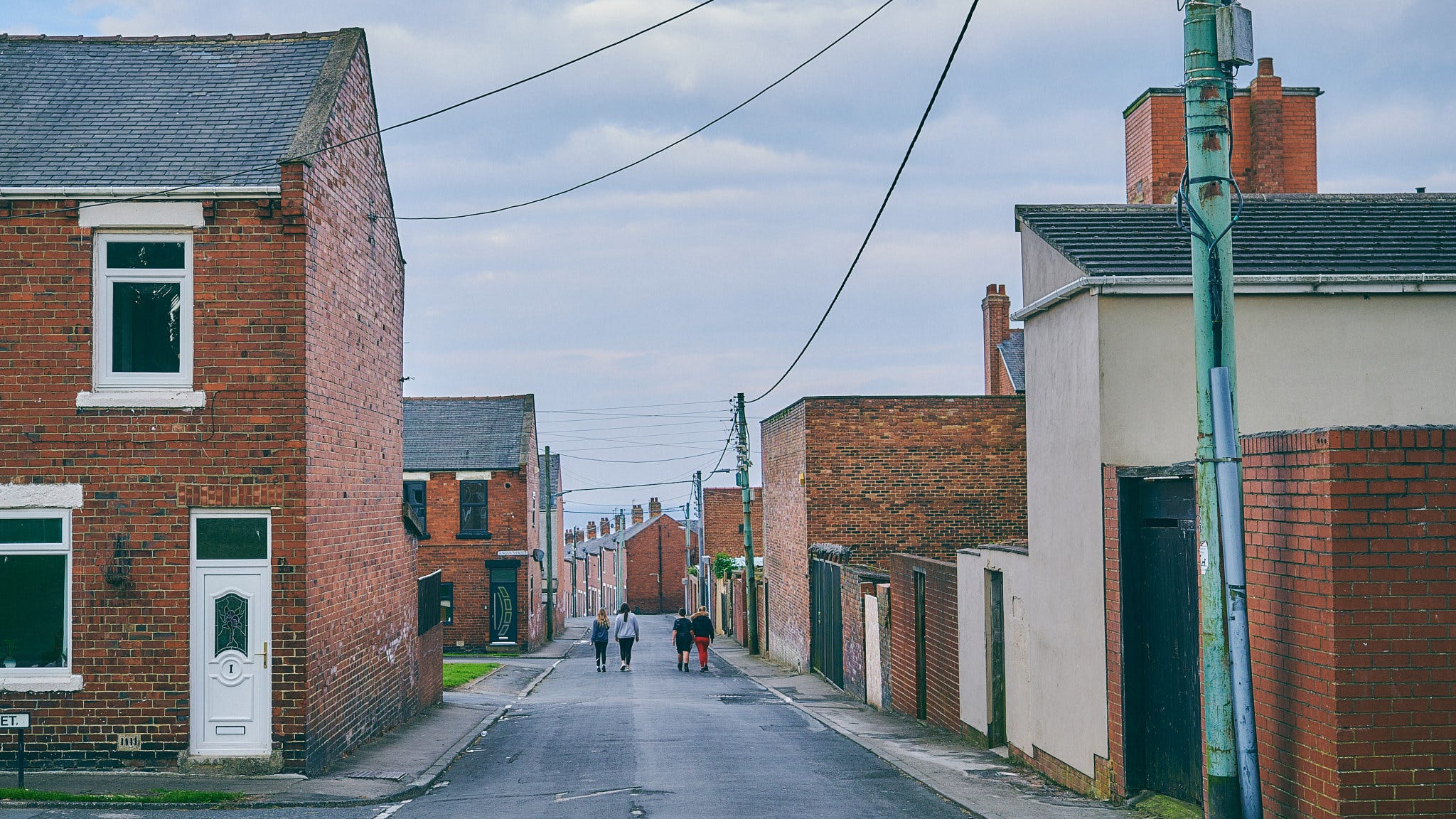
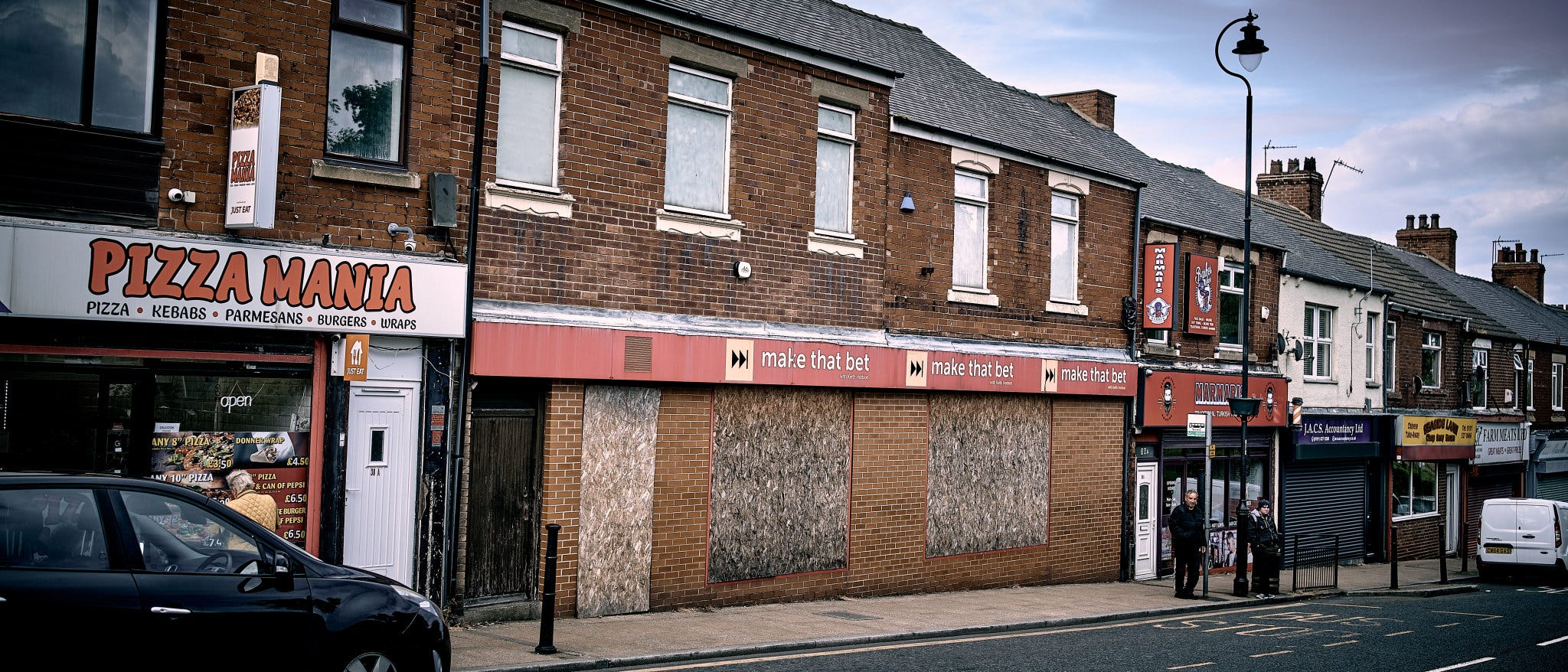
That said, prosperity is uneven. Some streets feel settled; others feel abandoned.
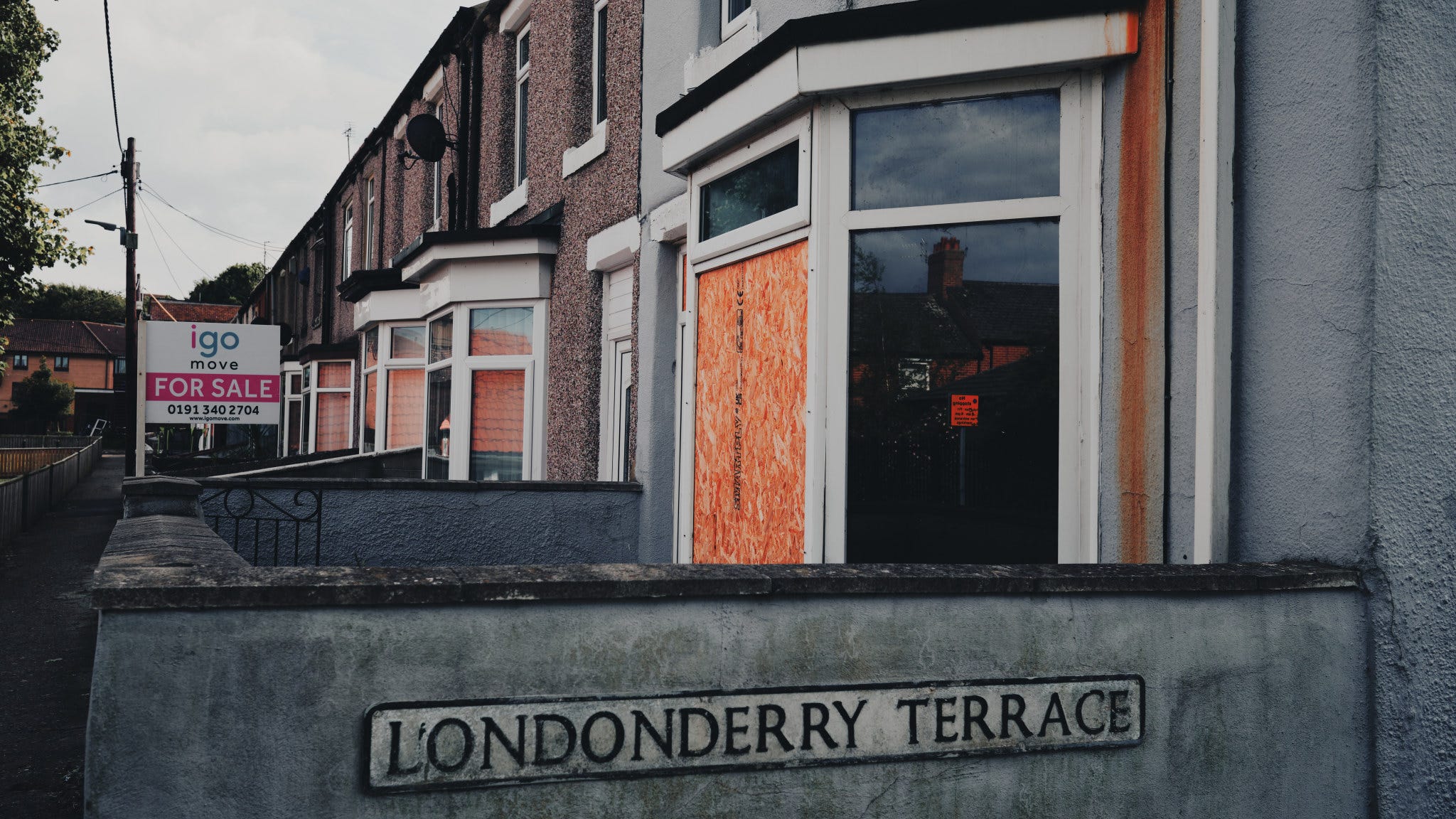
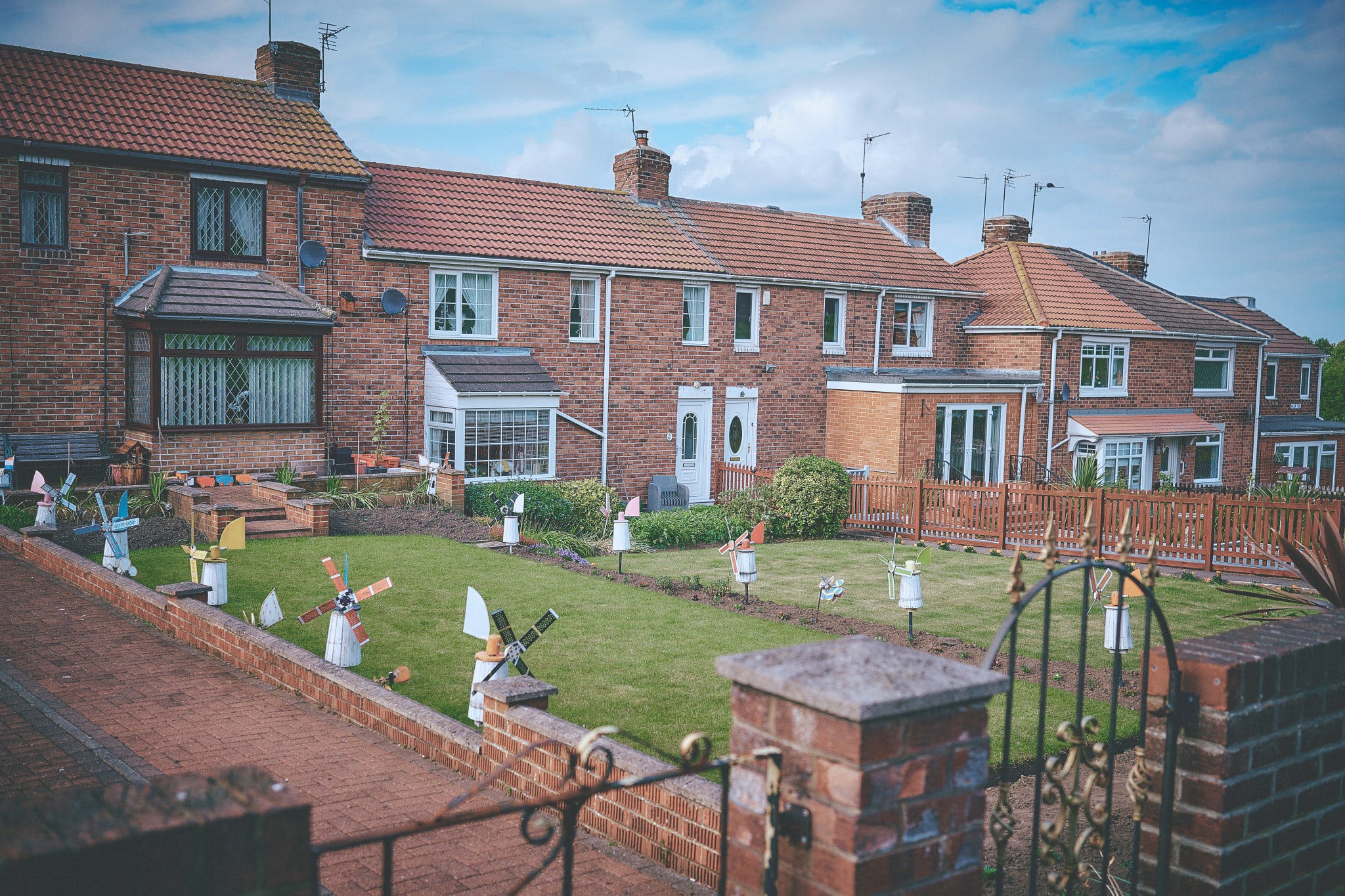
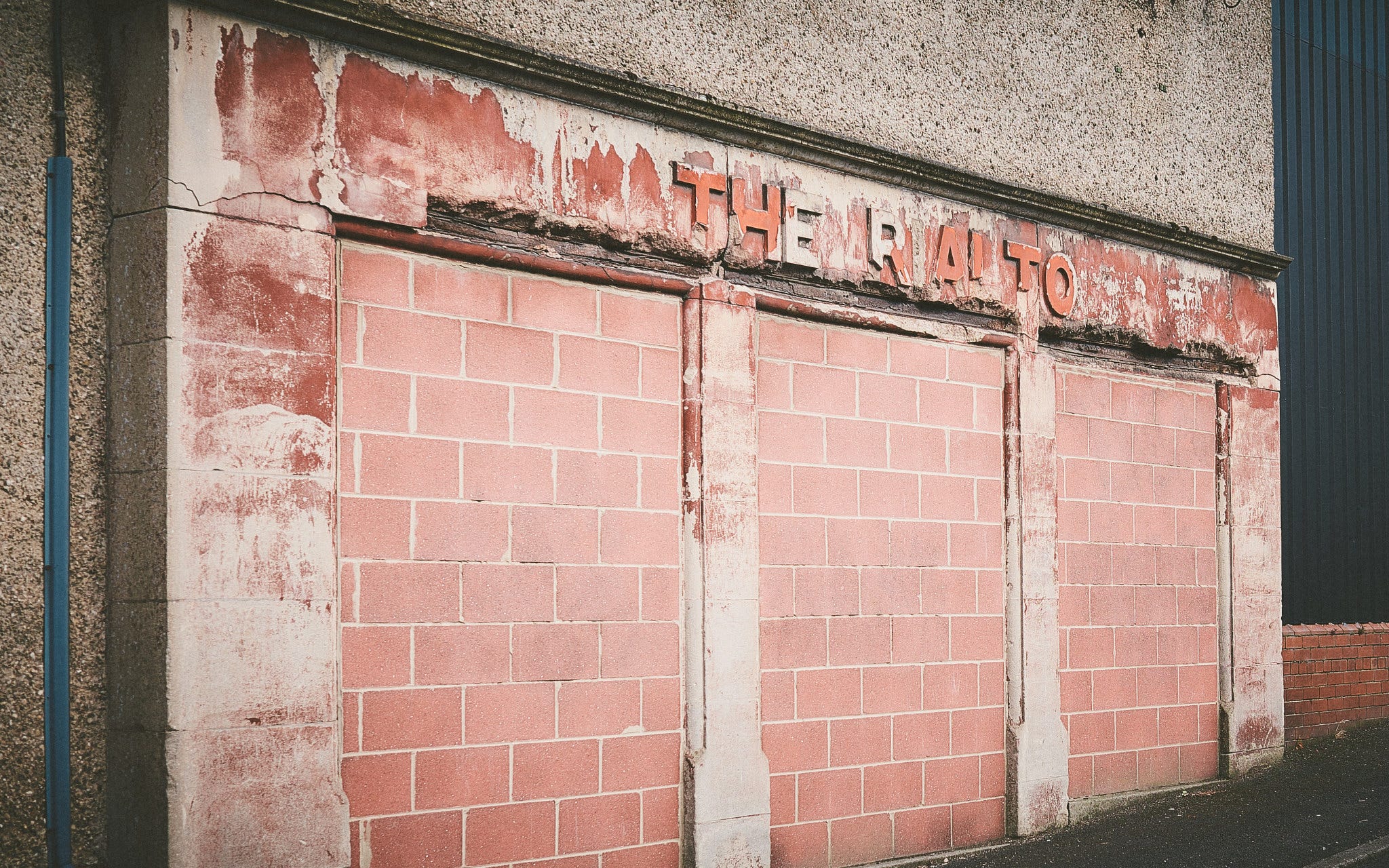
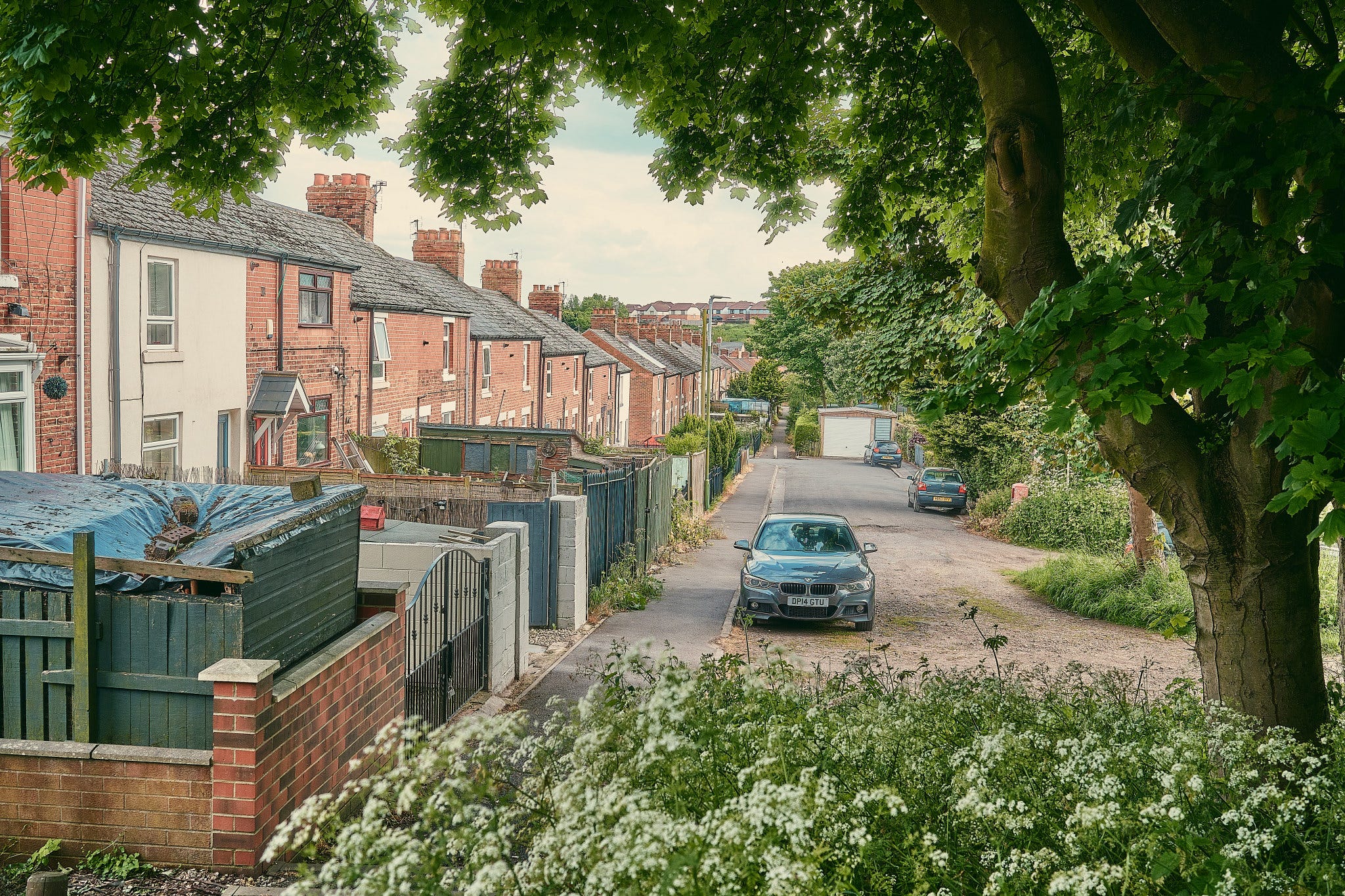
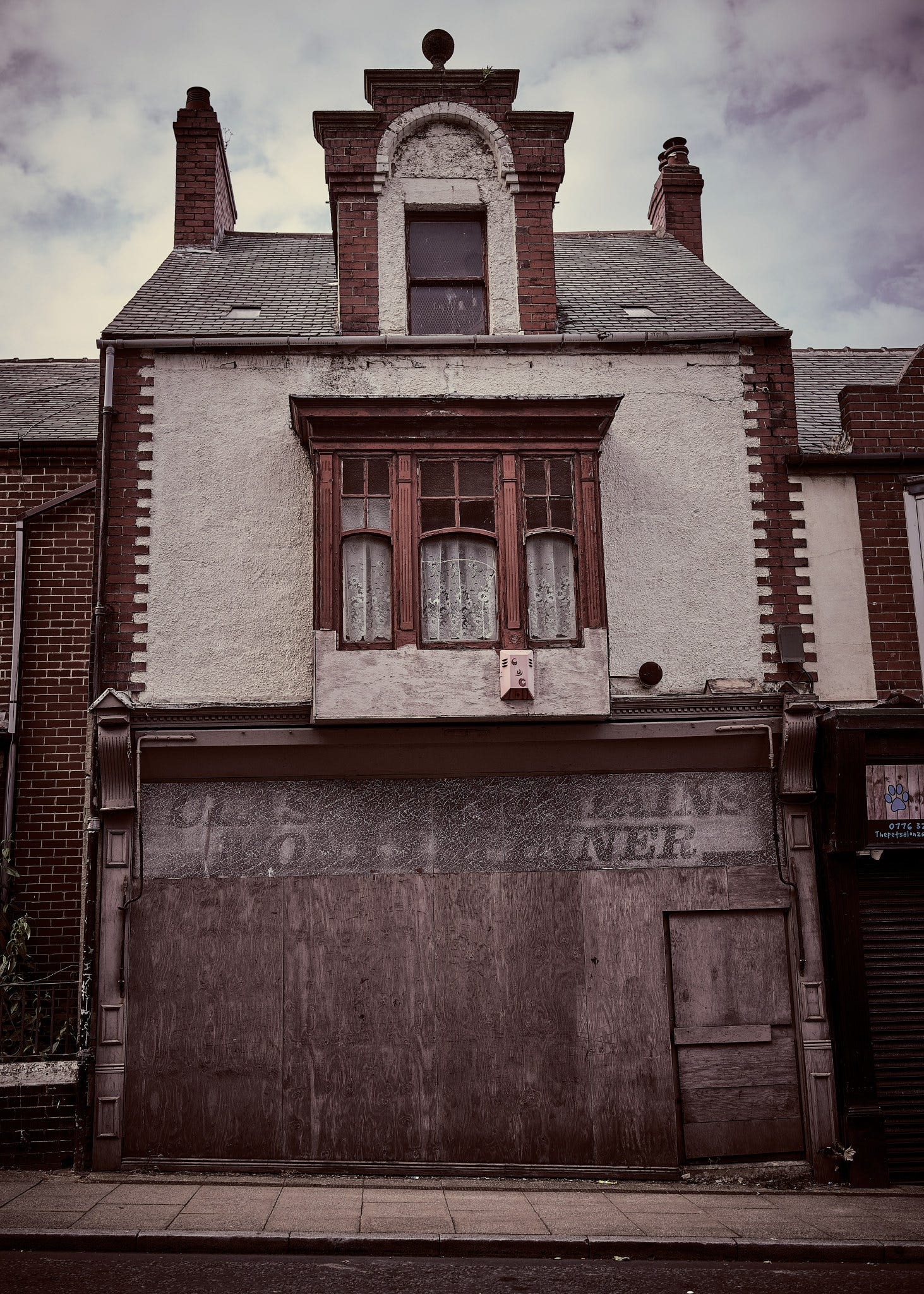
Some people are doing OK, some are not.
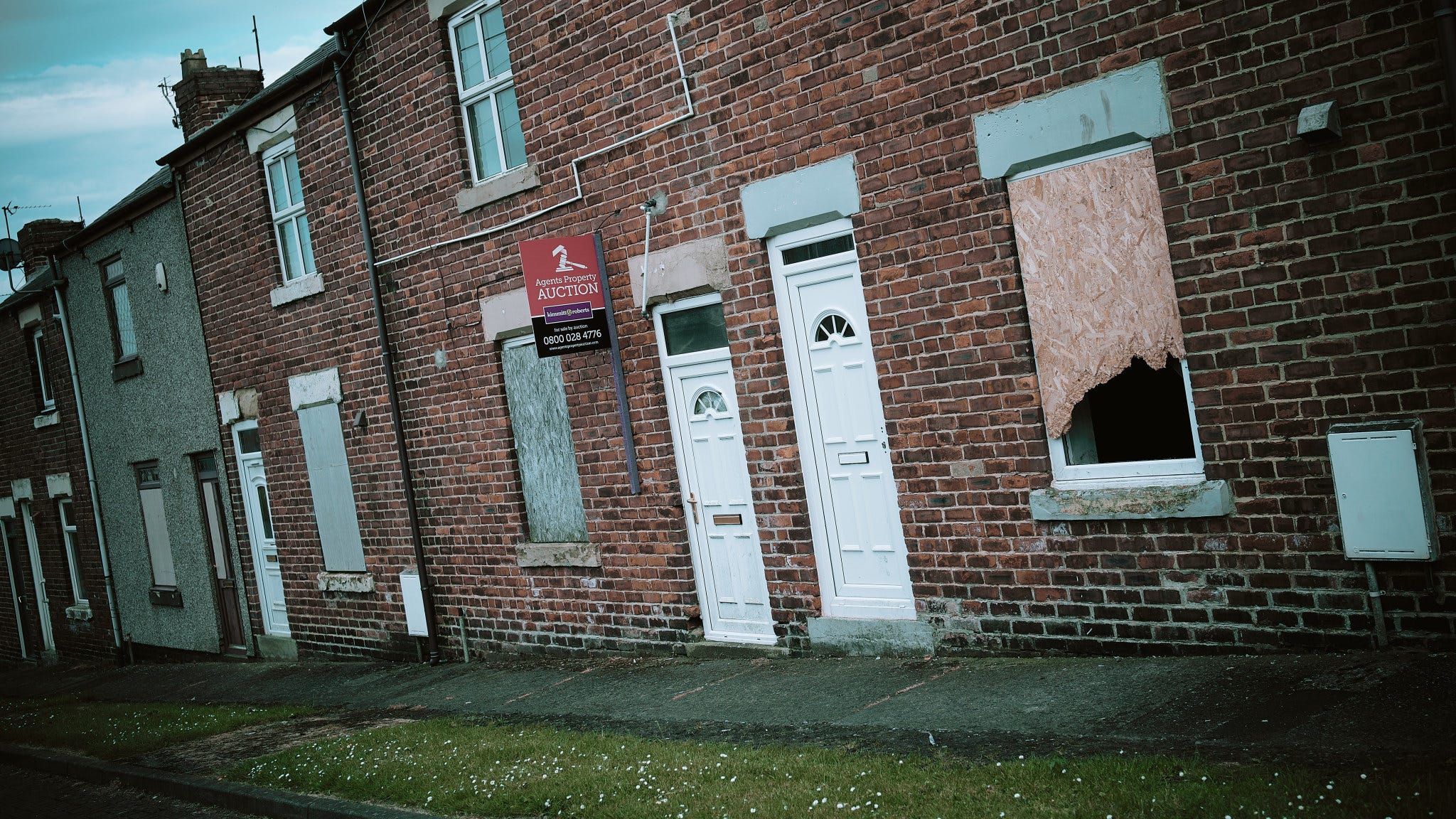
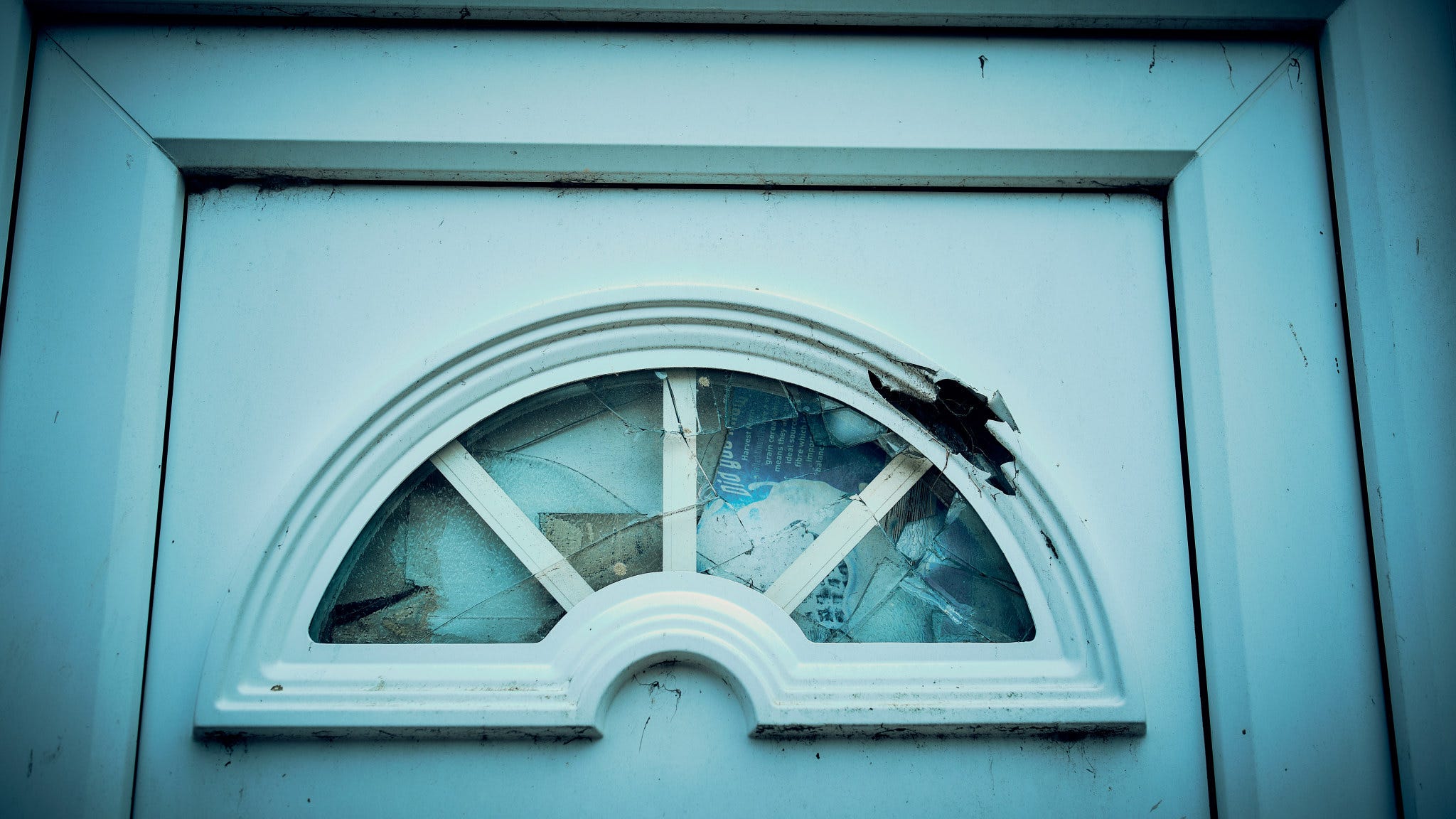
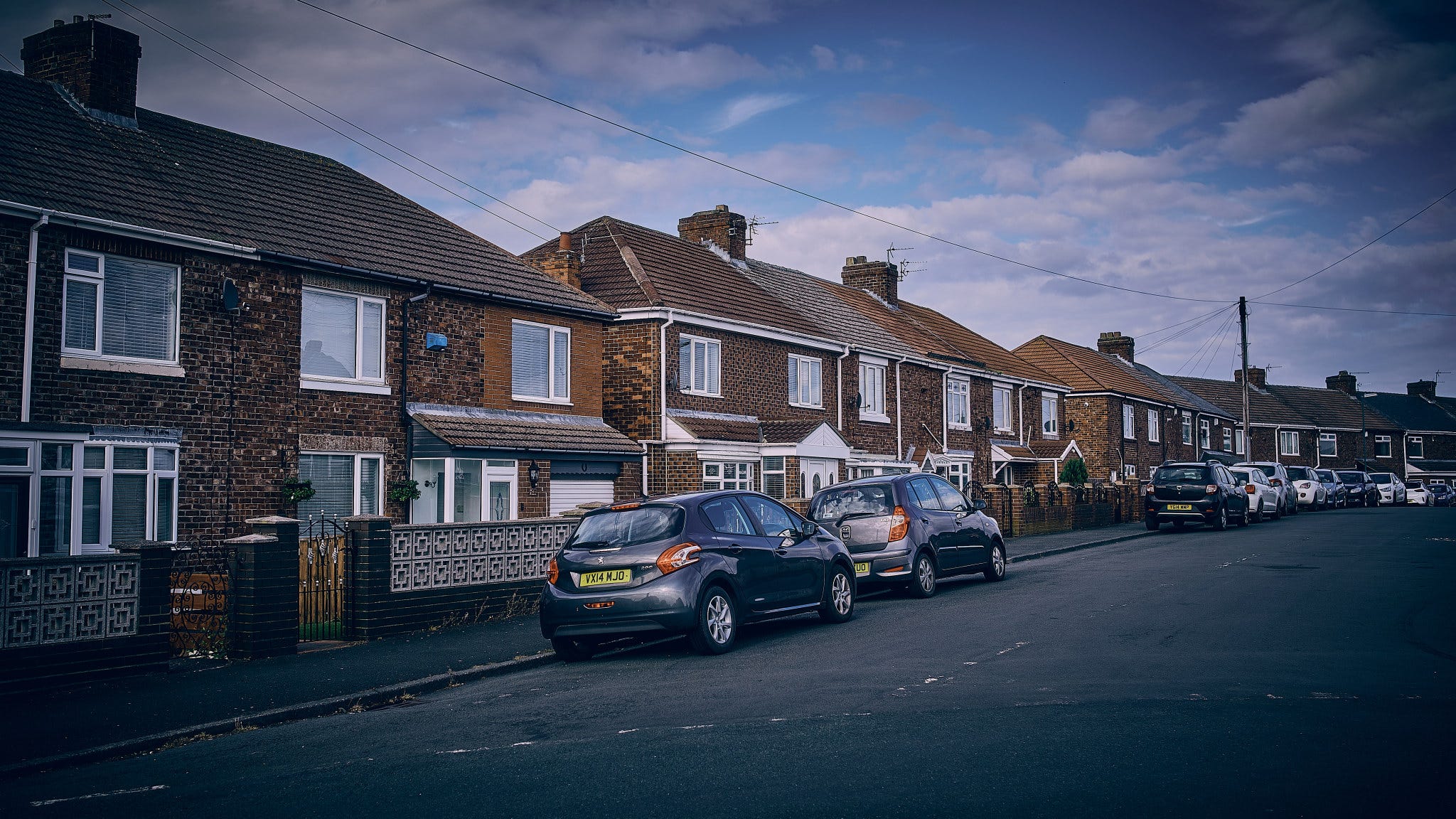
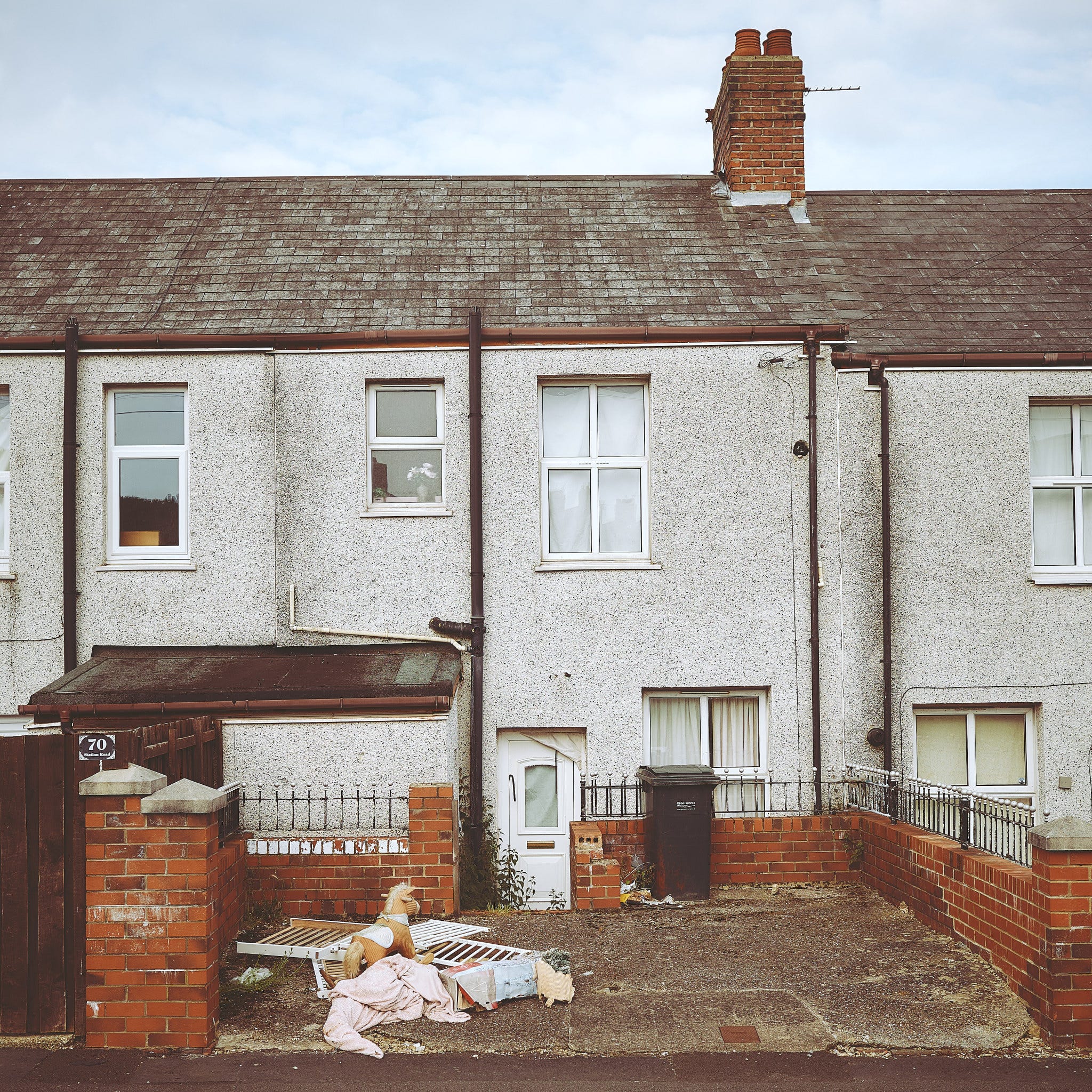
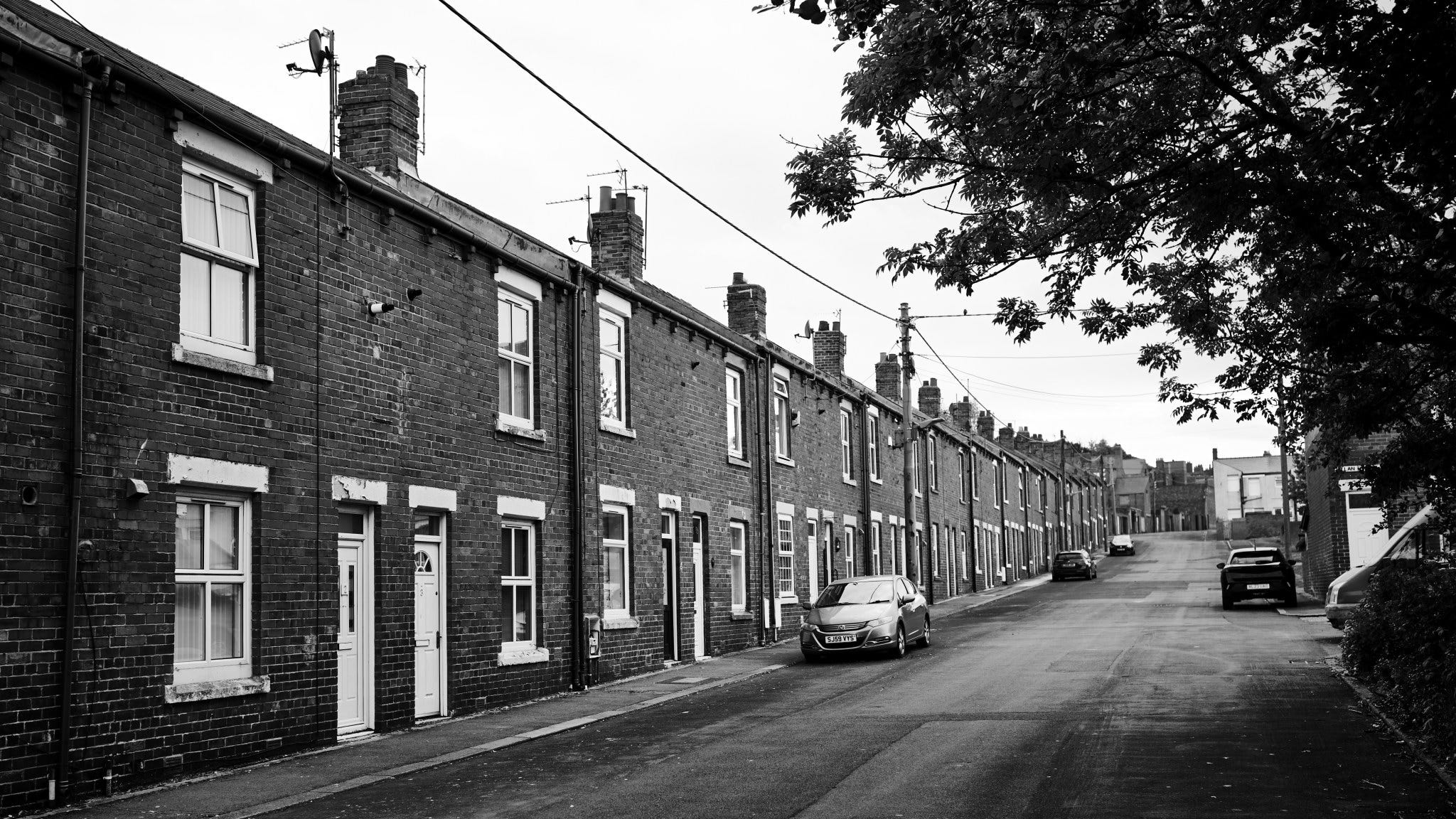
As someone who doesn’t own a home and has little prospect of doing so, it really pains me to see derelict spaces. Are these old rows of cottages simply obsolete for modern needs, or under-used? My heart still aches for the pretty railway worker cottages in my hometown of Staines that were demolished, and modern “non-places” erected instead.
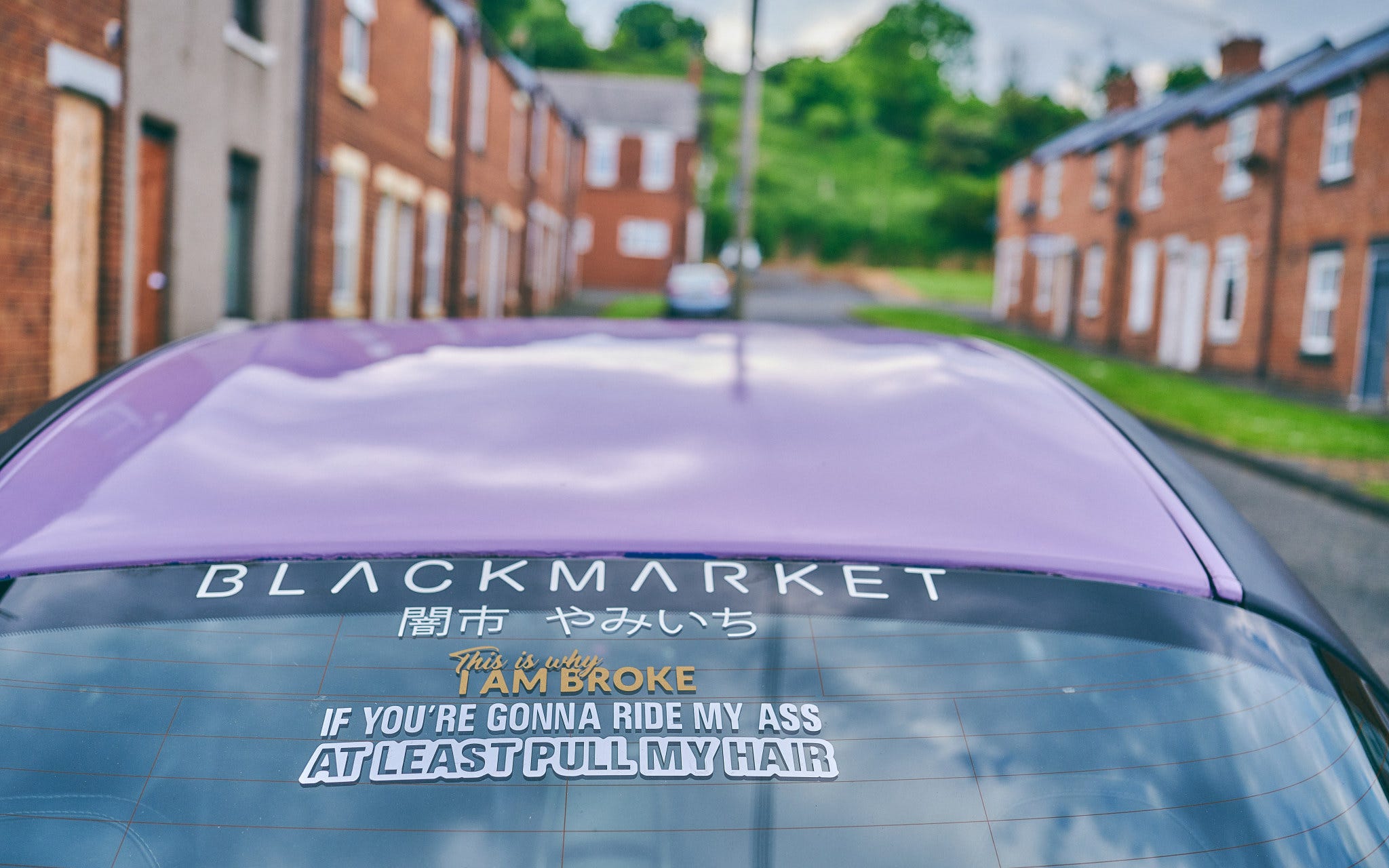
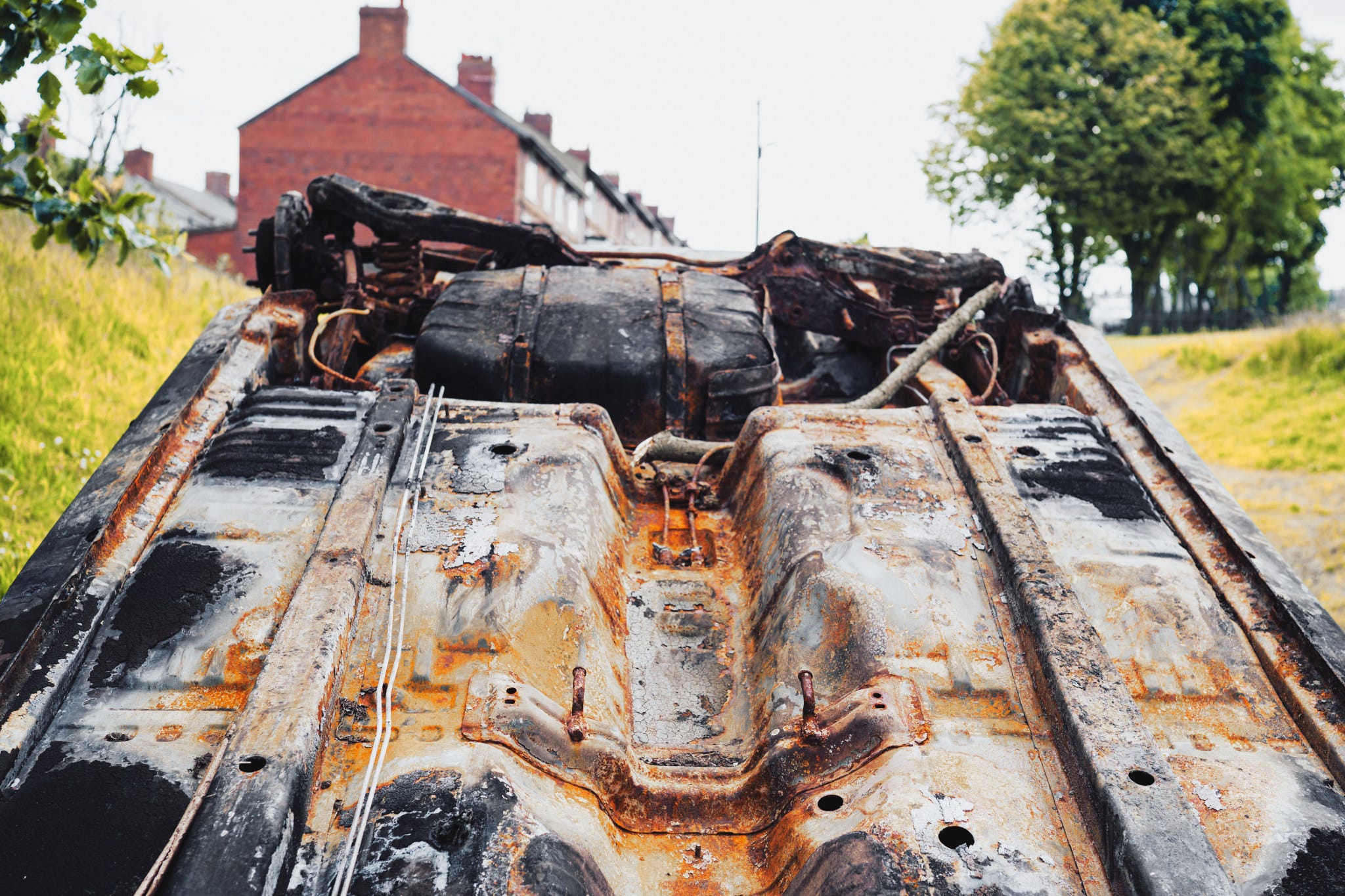
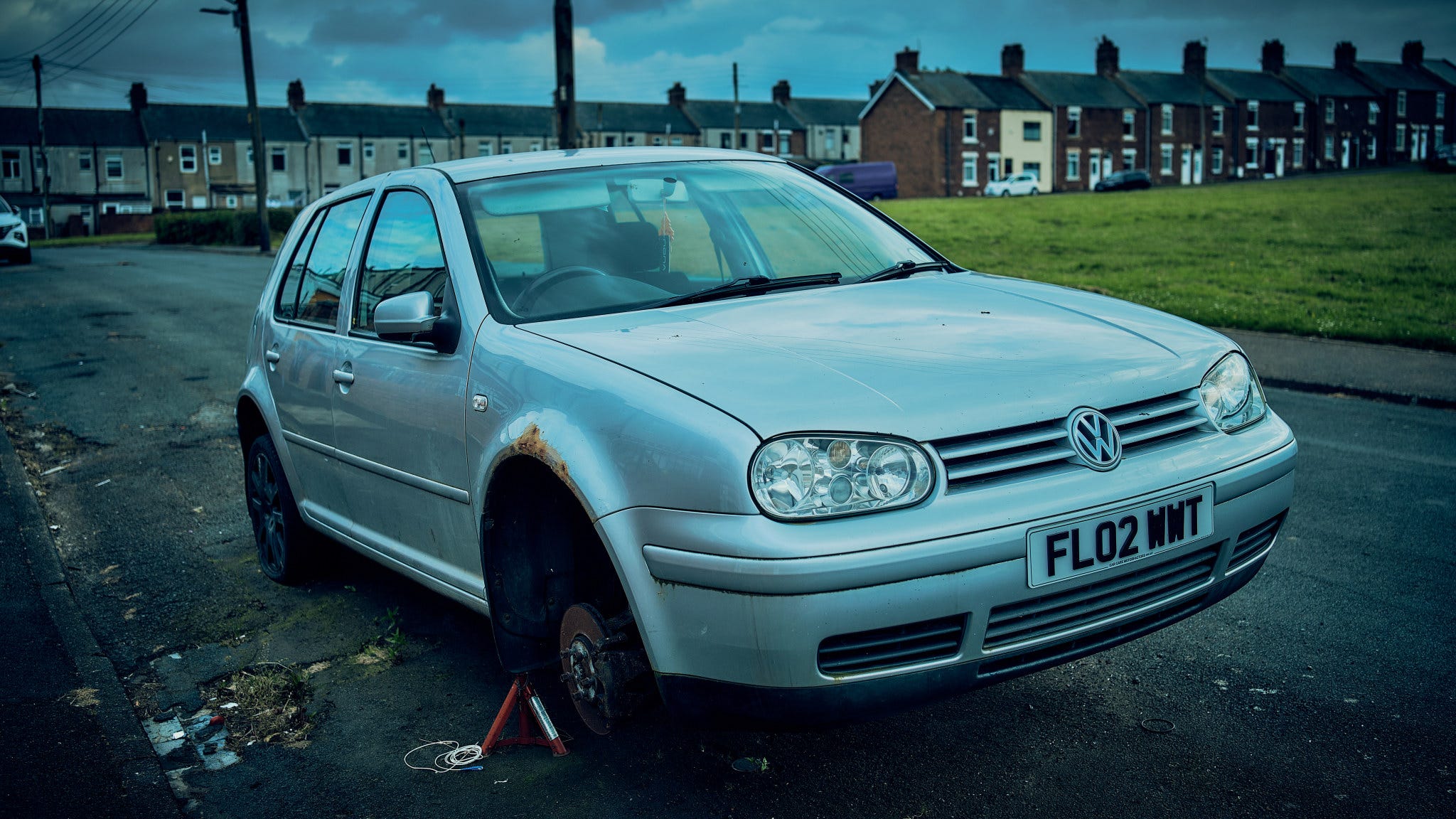
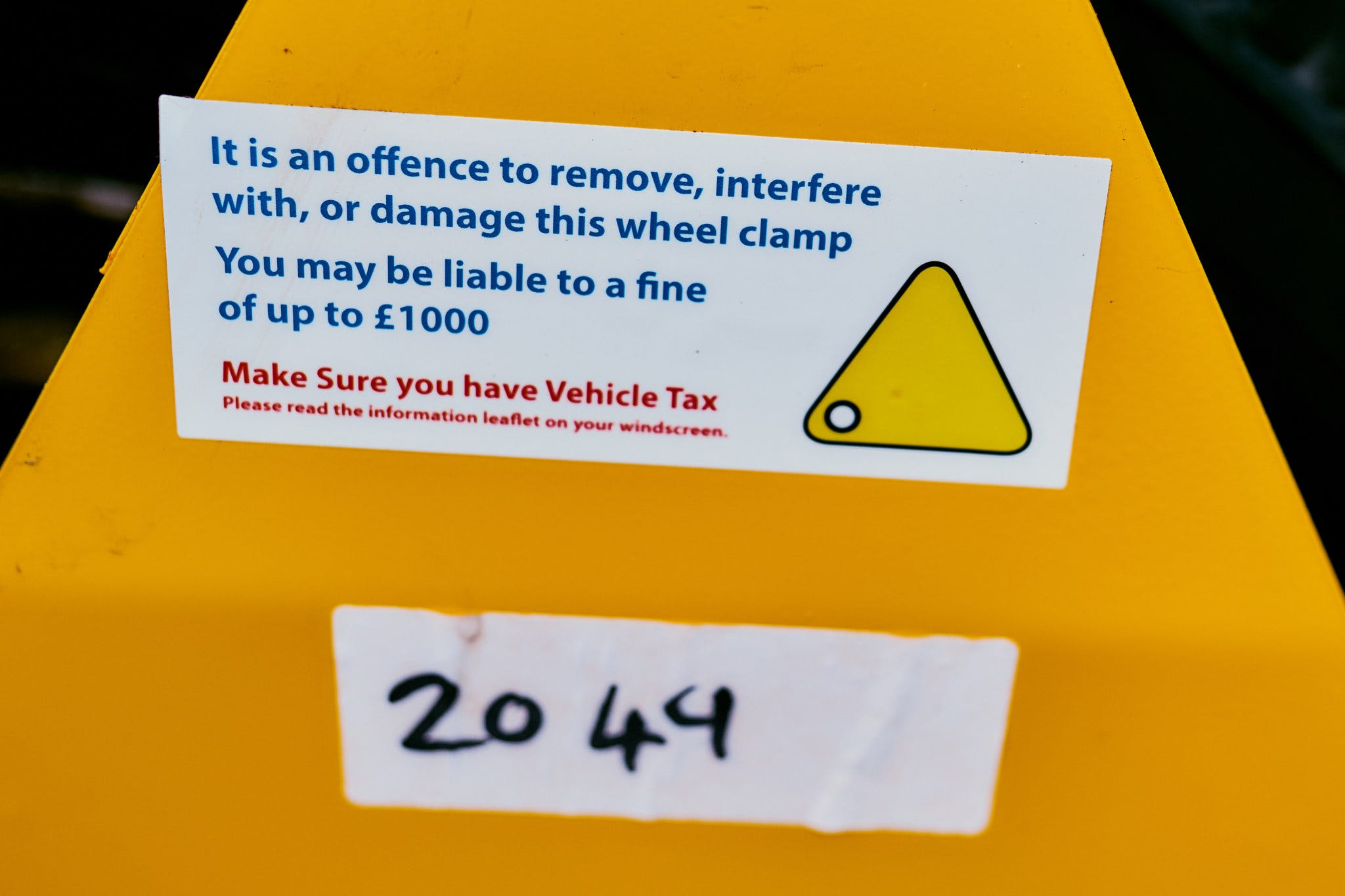
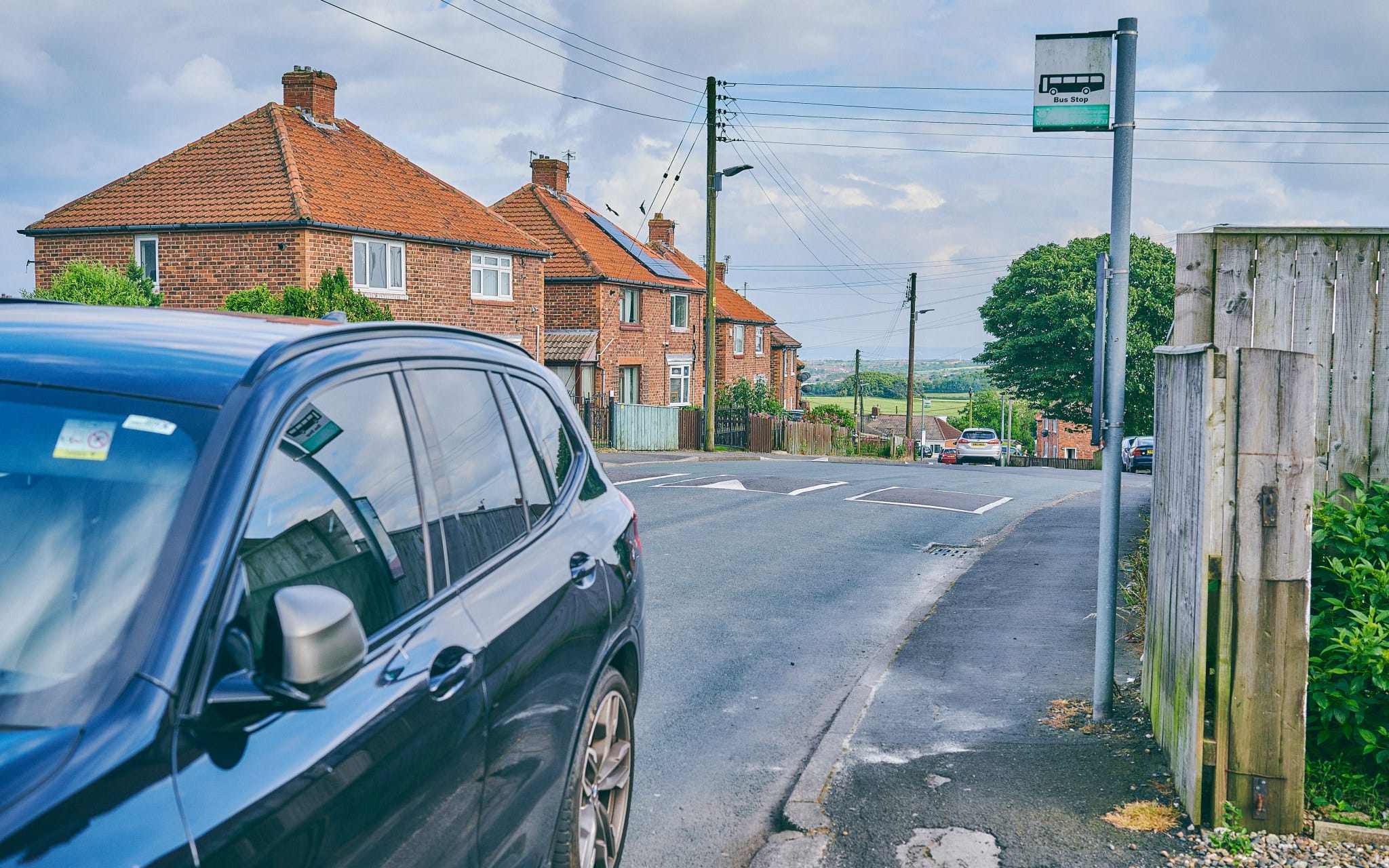
Car culture is a big part of many of these poorer areas. I guess mobility is an equalising force; you either have it or you don’t. Everyone has to share the same public roads.
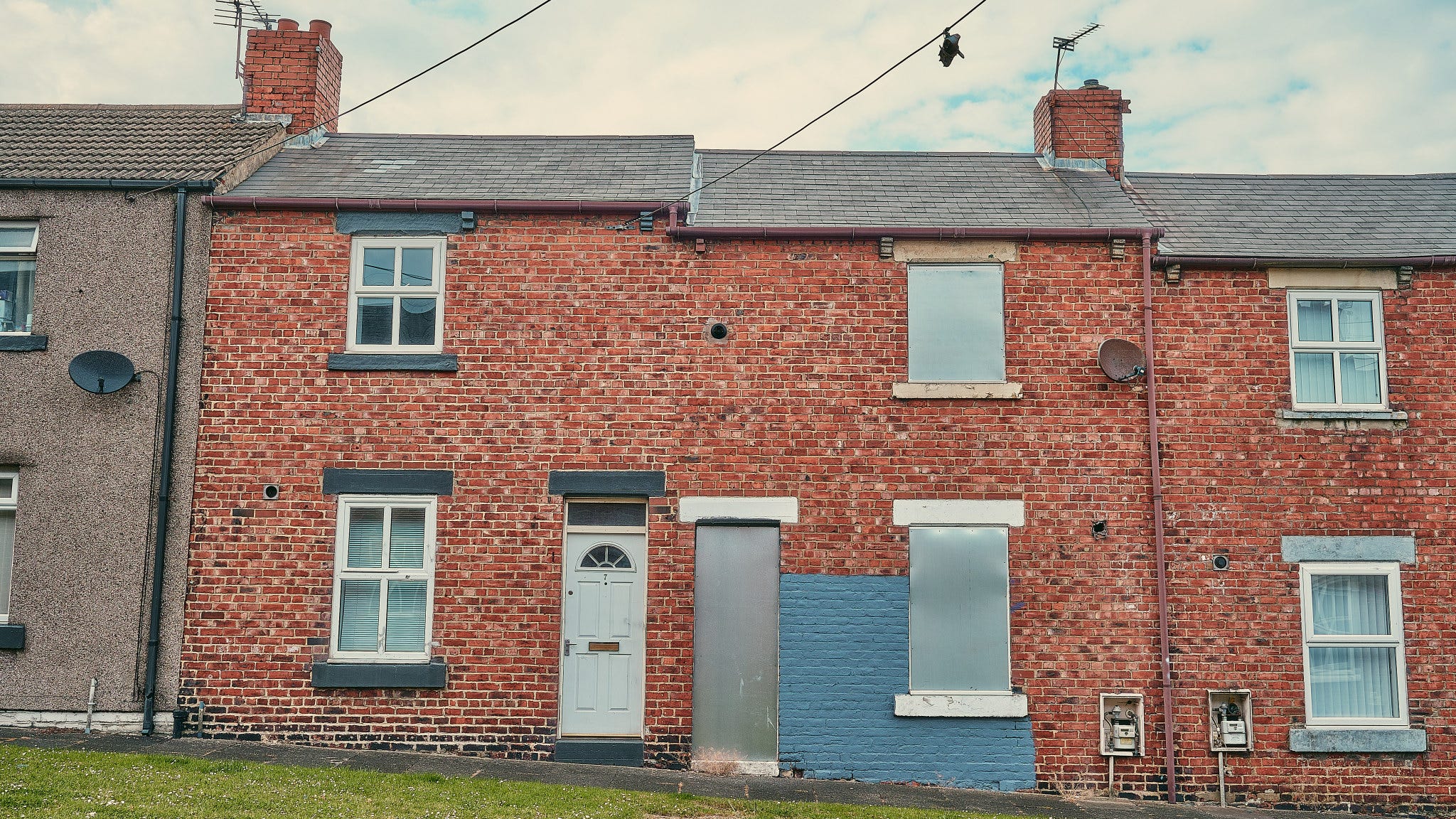
I could live in a little house like this and be satisfied.
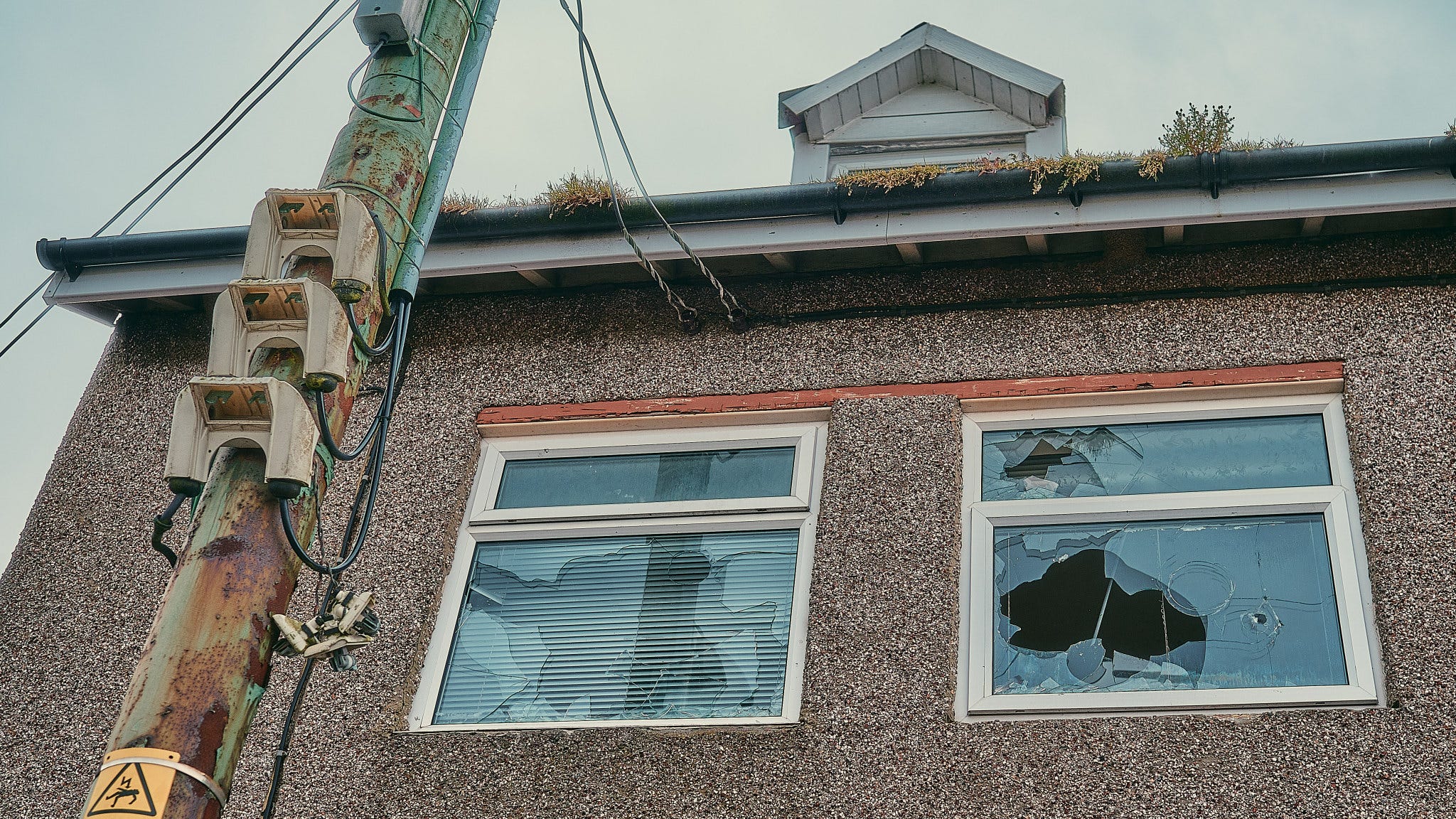
If it had windows and a door.
And electricity.
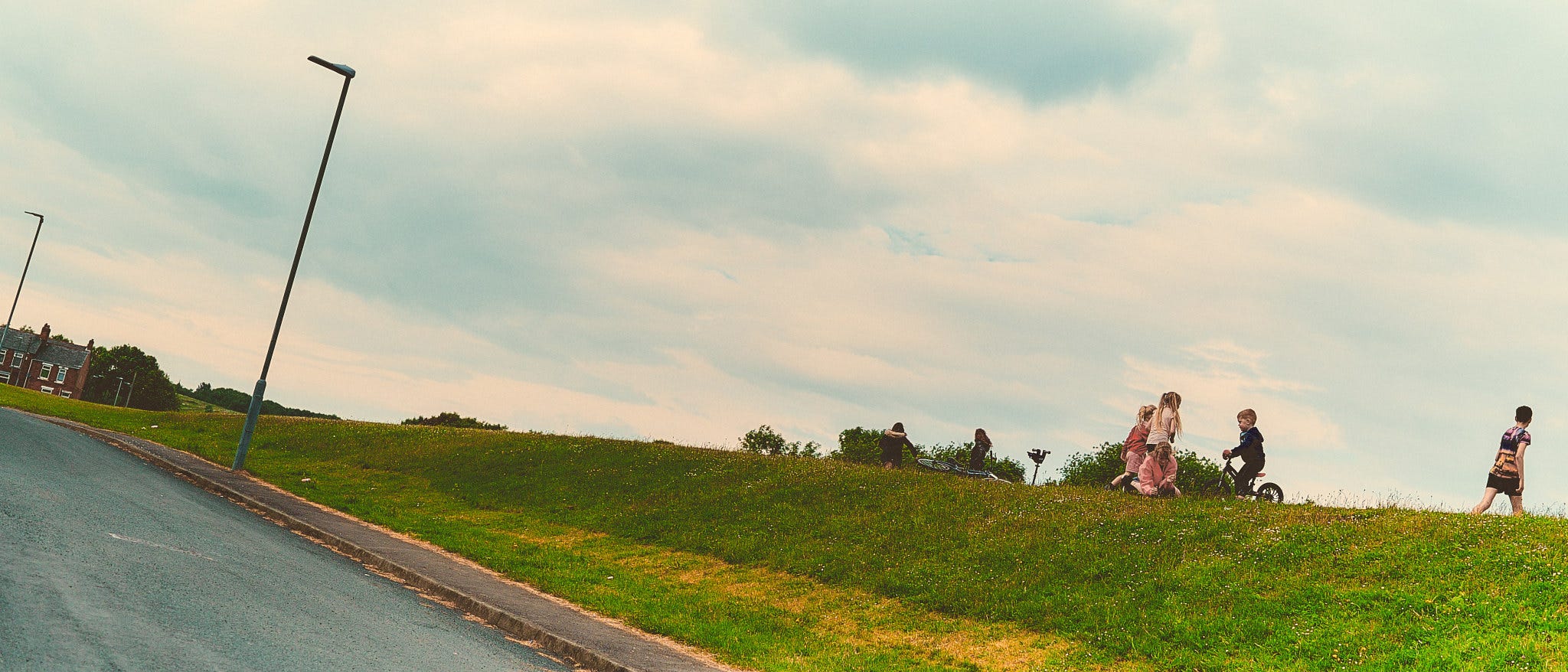
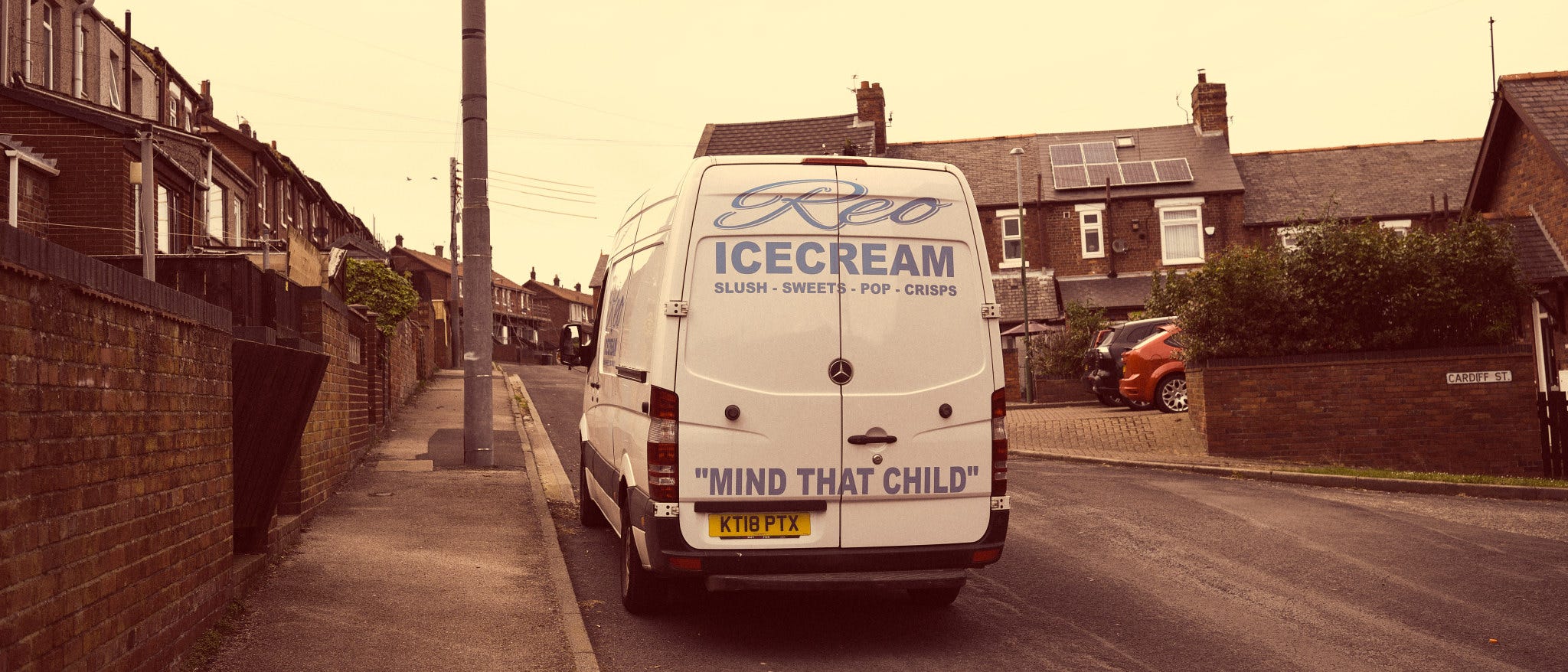
The area nearer the sea seems to be able to hold its population, even if not wealthy.
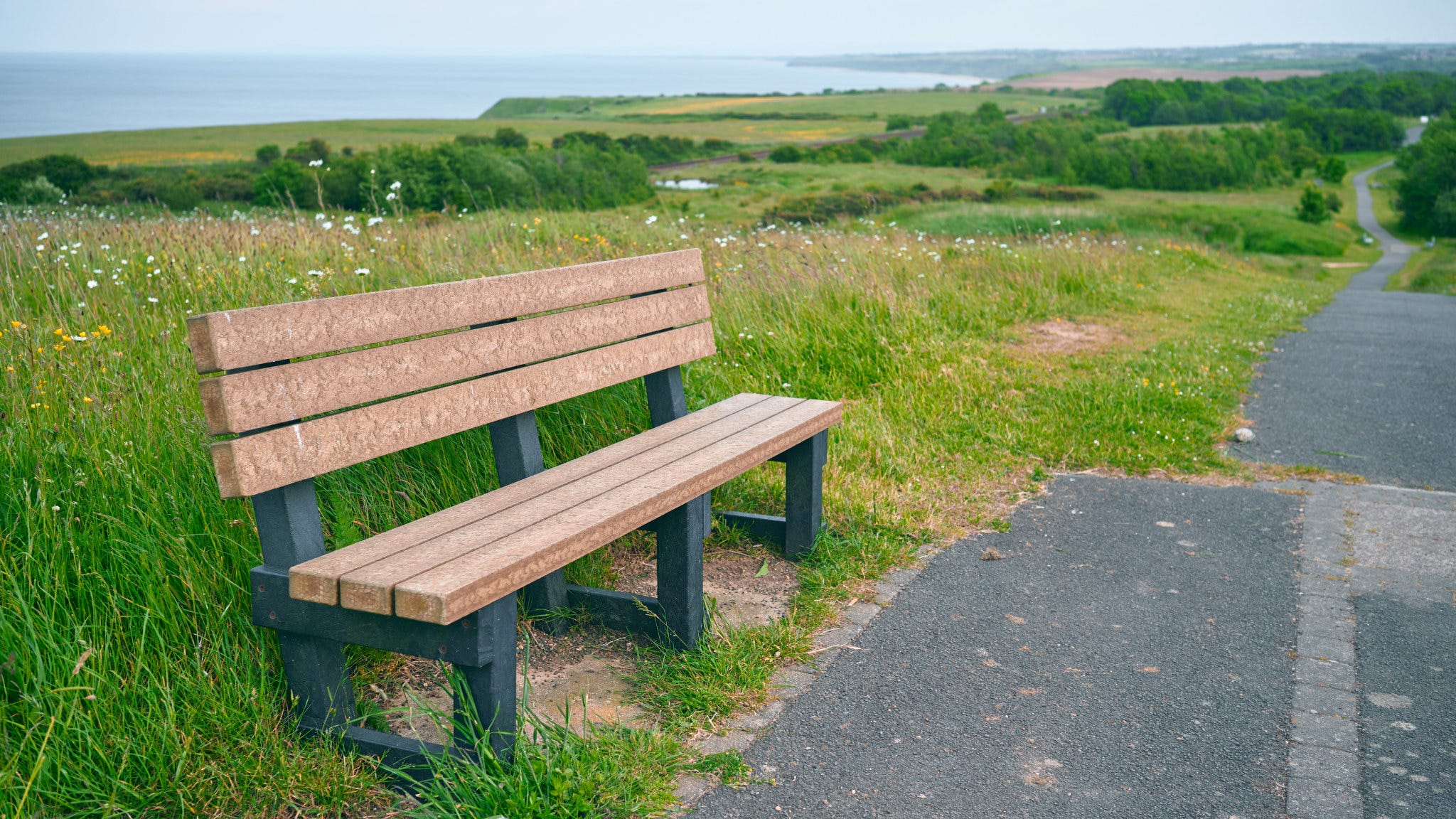
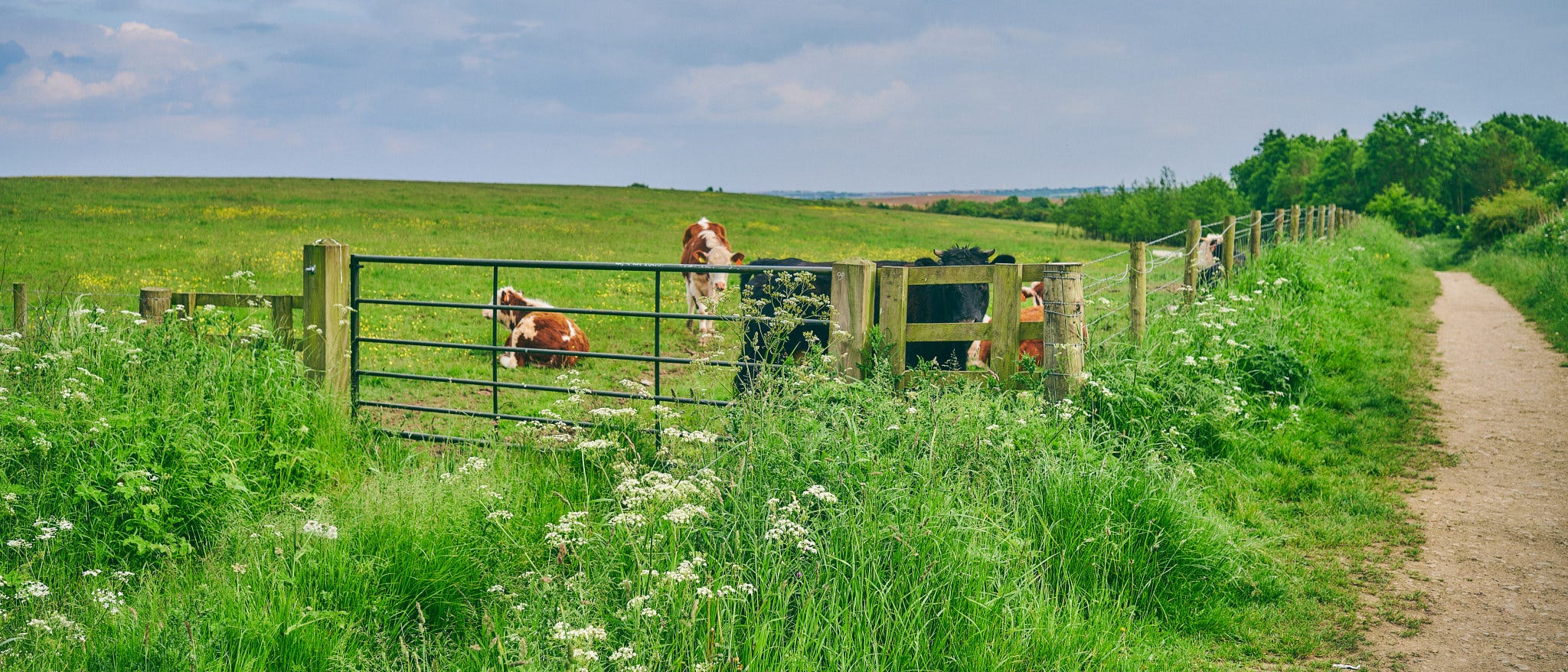
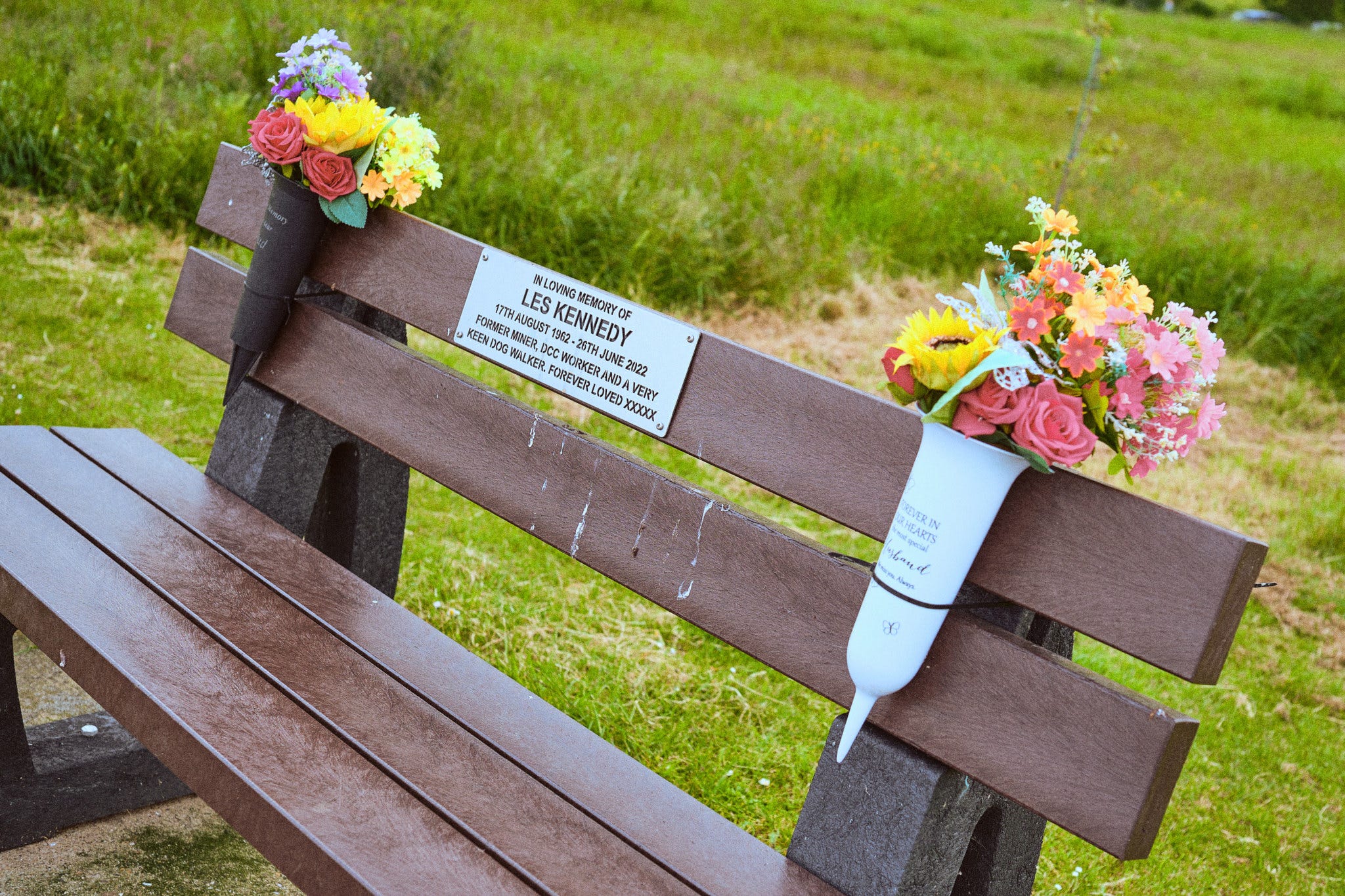
The people still have their spirit, and the countryside is a priceless asset.
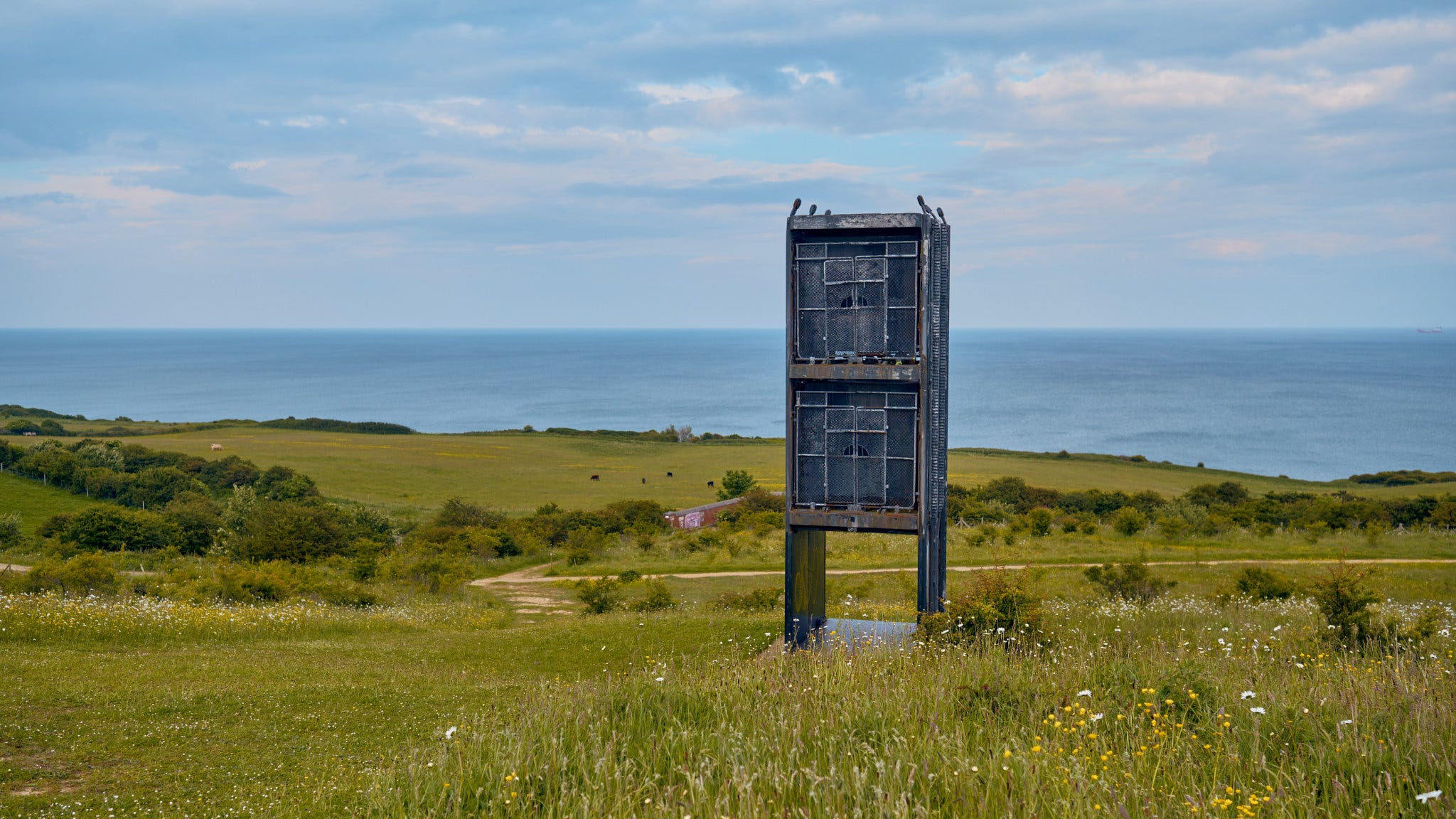
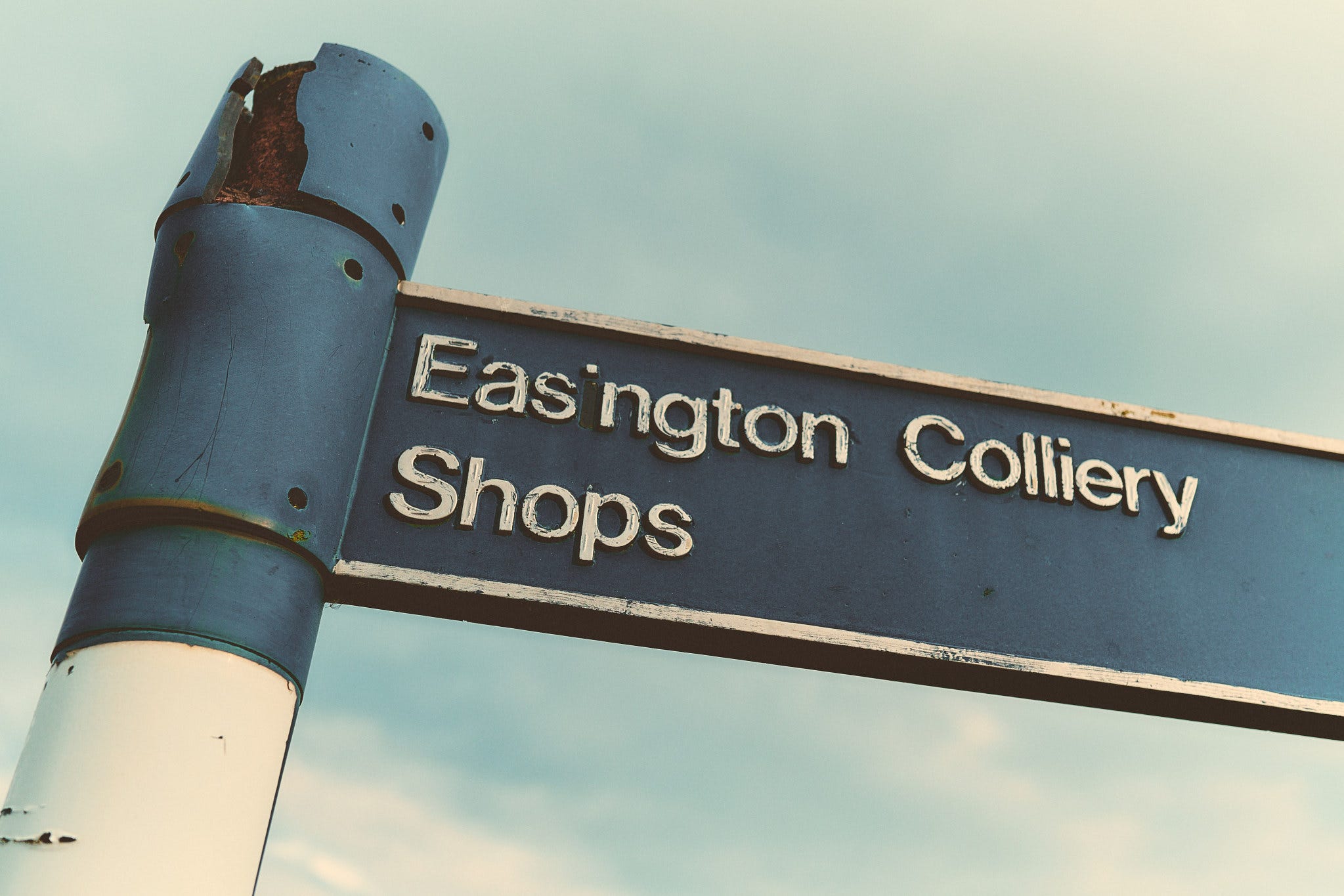
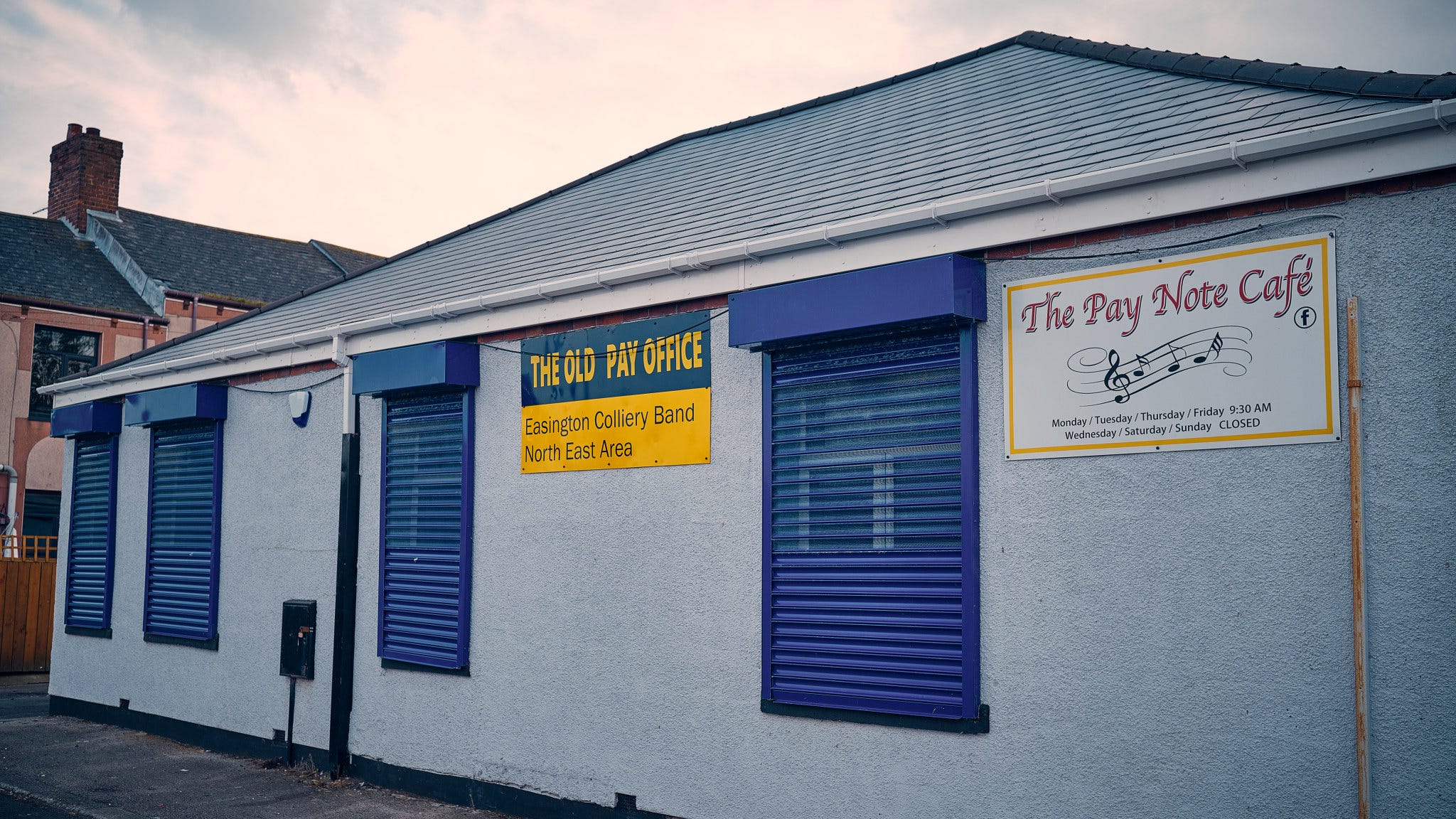
The former mine site is not forgotten; a monument marks what stood here.


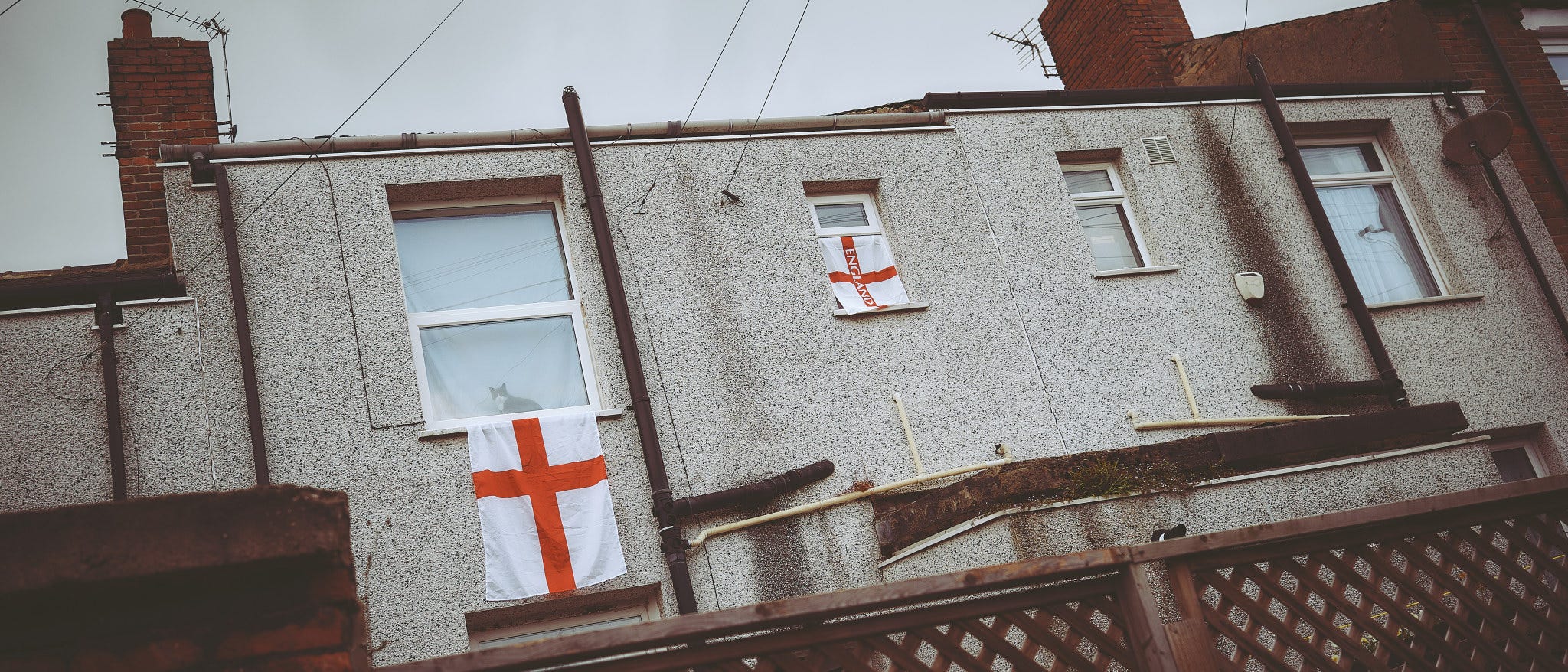
Flags aplenty — I think it was footie on TV.
Thank you for joining me on this photo tour — and especially to those who are voluntary patrons as Substack subscribers or one-time donors; this is what you are really supporting — a curated historical visual archive of neglected parts of Britain in the post-Covid era.
Not always easy to look at, but change starts with seeing things as they are.
This is sad to see, as I recall the Scotland of the 60's.
Wishing you the most loveliest of cottages/homes - it is in your future!!! NOt extravagant or ostentatious, but perfect - your choice and design.
🩷
Martin your heartfelt record of images documenting our hometowns and way of life now is so welcome. For me it reinforces our " Never give in" and " We will overcome" strength of character and determination that
no matter what's thrown at us we cherish everything that's important to us.